Is Sleep Tech HSA/FSA Eligible?
Yes, most sleep technology is HSA/FSA eligible with a Letter of Medical Necessity (LMN), a short document from a licensed provider that connects your purchase to a specific sleep condition. And the biggest exception works in your favor: CPAP machines and other sleep apnea devices are medical equipment in their own right, directly eligible with no LMN at all.
Here is the logic. IRS Publication 502 defines medical expenses broadly, as the costs of "diagnosis, cure, mitigation, treatment, or prevention of disease." Most sleep tech is a "dual-purpose" item within that definition: the same cooling mattress cover can be a comfort upgrade for someone who already sleeps fine (general wellness, not eligible) or a nightly intervention for someone whose insomnia or night sweats keep fragmenting their sleep (a specific medical purpose, eligible with documentation). A CPAP has no such double life, which is why it skips the paperwork entirely.
That one distinction, direct equipment versus dual-purpose tech, decides everything else on this page: what needs paperwork, what does not, and where the savings come from.
New to these accounts, or deciding which one to use? Start with our HSA vs FSA guide.
What Sleep Products Qualify for HSA/FSA?
How do you find FSA or HSA eligible sleep systems for a medical sleep issue? Most of the products below need an LMN before you buy, but two skip the paperwork for their own reasons: CPAP as standalone medical equipment, and over-the-counter aids under the no-prescription rule. Here is where each common product lands:
| Sleep product | HSA/FSA status | Typical price | Examples |
|---|---|---|---|
| CPAP and apnea devices | Directly eligible, no LMN | Varies | CPAP and BiPAP (bilevel) machines, masks, supplies |
| Smart mattress systems and covers | Eligible with LMN | From $2,999 plus subscription | Eight Sleep Pod, Chilipad and other bed cooling systems |
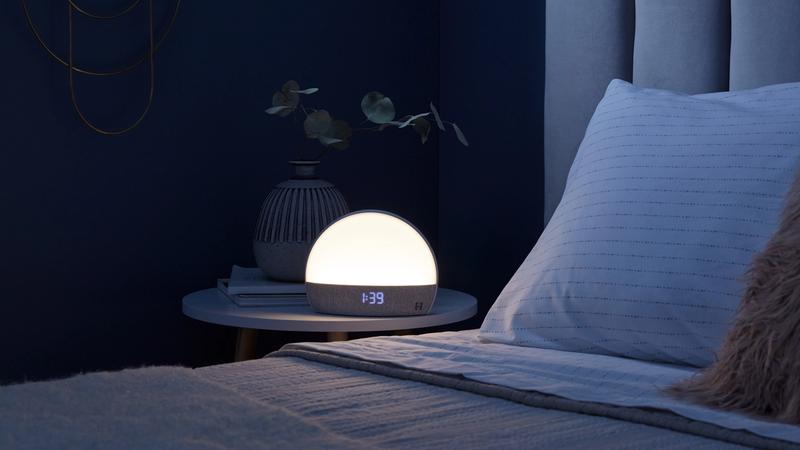
| Sound and white noise machines | Eligible with LMN | $19.99 – $169.99 | HoMedics SoundSpa, Hatch Restore 3 |
| Sleep-tracking mats (non-wearable) | Eligible with LMN | $199.95 | Withings Sleep Analyzer |
| OTC sleep aids | Directly eligible as OTC drugs; melatonin needs an LMN | Varies | Antihistamine sleep aids like Unisom |
| Wearable sleep trackers | Eligible with LMN | Varies | Covered in our fitness trackers guide |
If you use a CPAP, BiPAP, or another apnea device from a maker like ResMed or Philips, everything that keeps it running qualifies too: masks, tubing, filters, and cleaning supplies. Publication 502's closest entry covers "oxygen and oxygen equipment to relieve breathing problems caused by a medical condition," and HSA/FSA administrators handle apnea supplies the same way, clearing them right alongside the machine. Sleep studies, whether at home or in a lab, are directly eligible medical care as well, and an at-home study ordered through a telehealth visit is often the fastest route to the apnea documentation that makes CPAP equipment a straightforward claim.
Over-the-counter sleep aids are the other no-LMN case: since 2020, OTC medications qualify without a prescription, so a box of Unisom works like any other pharmacy purchase. A sleep mask counts too, from a basic eye mask to a contoured one like the Manta, when it supports a specific sleep condition. The same rule is why sunscreen qualifies too.
The dual-purpose lane is where the LMN earns its keep. Smart mattress systems, bed cooling covers, and bed climate systems like BedJet qualify when temperature regulation is part of managing a condition: night sweats, hot flashes, or insomnia that gets worse in a warm room. Sound and white noise machines are the budget entry point and follow the same rule, whether that is a $19.99 HoMedics unit or a Hatch Restore 3, which combines sound, a sunrise light, and wind-down routines so one purchase can support several parts of a sleep plan. A non-wearable sleep-tracking mat like the Withings Sleep Analyzer slips under your mattress and logs sleep cycles, breathing interruptions, and snoring, the kind of record a provider can actually work with.
The LMN lane is wider than this table, too. Weighted blankets, positional therapy devices, light therapy lamps, and app-based sleep programs all qualify the same way when they address your condition.
What Conditions Qualify Sleep Tech for HSA/FSA?
The qualifying list is broader than most people expect:
- Primary sleep disorders: insomnia, sleep apnea, restless legs syndrome, narcolepsy, and circadian rhythm disorders, including shift work disorder
- Conditions that disrupt sleep: anxiety, depression, chronic pain, fibromyalgia, and night sweats or hot flashes from menopause
- Conditions worsened by poor sleep: high blood pressure, type 2 diabetes, obesity, and heart disease
The medical community is clear on why that third group belongs on the list. A joint consensus statement from the American Academy of Sleep Medicine and Sleep Research Society links regularly sleeping less than 7 hours to weight gain and obesity, diabetes, hypertension, heart disease, stroke, and depression.
That is also why prevention counts. That same definition of medical expenses includes prevention, so you do not have to wait for a condition to take hold: if a licensed provider recommends better sleep to help prevent or manage a condition you are at risk for, sleep tech recommended for that purpose can qualify.
You do not need to arrive with a firm answer, either: the LMN review starts from your symptoms and history, and the licensed provider takes it from there.
Is Eight Sleep HSA/FSA Eligible?
Yes, Eight Sleep is HSA/FSA eligible with a Letter of Medical Necessity, and since it is the biggest purchase in this guide, budget for the honest total. The Pod 5 cover starts at $2,999 for a queen, The Base (the adjustable foundation) adds $1,999, with roughly $200 off when bundled, and the Autopilot subscription that runs the temperature automation is required, at $199 to $399 per year depending on tier. All in, a full new setup lands around $5,200 in year one before the bundle discount, which is exactly why running the purchase through your HSA/FSA matters at this price point. The Pod qualifies when nightly temperature regulation addresses a specific condition, the classic cases being heat-disrupted insomnia and the night sweats that come with menopause.
For plan tiers, purchase steps, and how reimbursement works for the subscription, see our Eight Sleep guide.
How Much Can You Save on Sleep Tech?
HSA/FSA dollars are pre-tax dollars, so your savings equal your marginal tax rate. With the July 2026 prices used in this guide:
| Product | Price | 22% Bracket | 32% Bracket | 37% Bracket |
|---|---|---|---|---|
| HoMedics SoundSpa | $24.99 | $5.50 | $8.00 | $9.25 |
| Hatch Restore 3 | $169.99 | $37.40 | $54.40 | $62.90 |
| Withings Sleep Analyzer | $199.95 | $43.99 | $63.98 | $73.98 |
| Eight Sleep Pod 5 cover | $2,999 | $659.78 | $959.68 | $1,109.63 |
The HoMedics SoundSpa line runs $19.99 to $99.99 depending on model, with the base unit shown here. In the 32% bracket, for instance, paying for the Pod 5 cover with pre-tax dollars keeps roughly $960 in your pocket, and the Hatch Restore 3 effectively costs about $116.
One more boost: contributions made through payroll also skip the 7.65% FICA tax, which is how total savings reach 30% or more for many buyers.
A timing note for FSA holders: most FSA funds expire at year-end, and sleep tech is one of the easier categories for putting a remaining balance to work, since everything from a $20 sound machine to a full Pod setup can qualify under the same LMN.
How to Get Your LMN for Sleep Technology
You have two paths to a Letter of Medical Necessity, and either one works for every LMN-lane product in this guide.
What Your LMN Should Include
- Your sleep condition, named specifically
- The recommendation: that the product supports your care plan
- The product or product type (a cooling mattress cover, a sound machine, a sleep-tracking mat)
- The medical rationale: how the product helps with your condition
Option 1: Through Your Doctor
- Schedule an appointment (expect a $50 – $150 copay depending on your insurance)
- Discuss your sleep issues and how the product fits your care plan
- Request an LMN naming the specific products or product types
- Receive documentation (may take 1 to 3 weeks)
Option 2: Through Crates (Recommended)
- Complete a quick health assessment online (about 5 minutes)
- A licensed provider reviews your information (typically within 24 to 48 hours)
- If eligible, your LMN is issued and stored in your Crates account
- Purchase your sleep tech anywhere using your personal card
- Use Crates one-click reimbursement to get your HSA/FSA funds
Important: your LMN must be dated before your purchase. You cannot buy first and add the paperwork later. LMNs are typically valid for 12 months, and Crates tracks the window and sends renewal reminders, so an ongoing subscription or a second purchase stays covered without starting over.