What is Eight Sleep
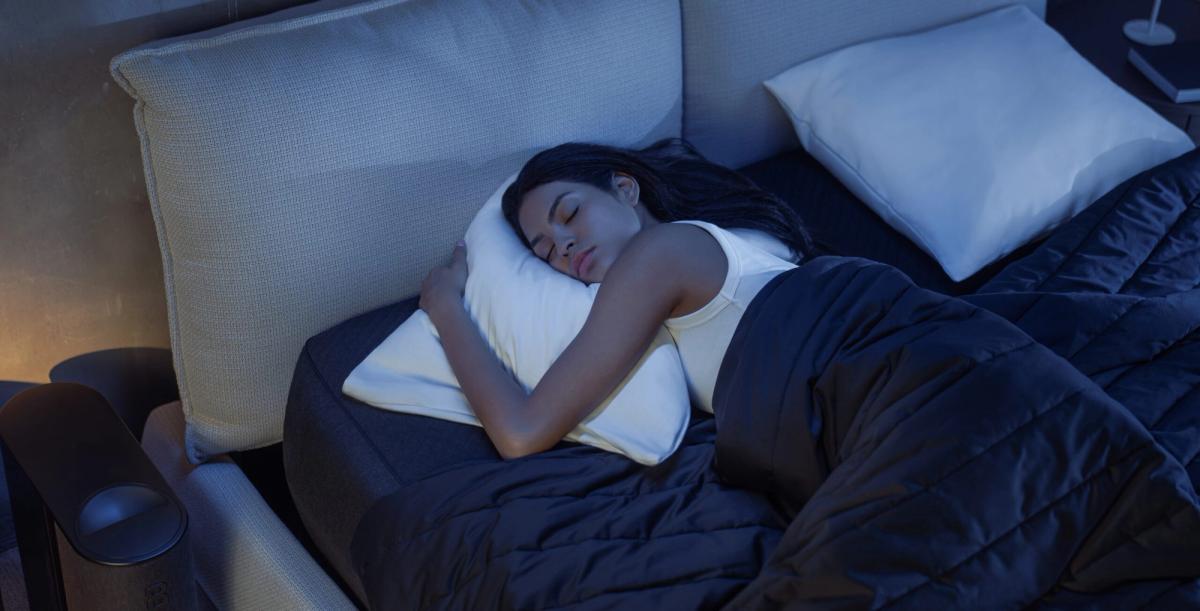
Eight Sleep is basically climate control for your bed. Its Pod cover fits over your existing mattress, so you can change your sleeping temperature without replacing the bed. Founded in 2014 by Matteo Franceschetti and Alexandra Zatarain, Eight Sleep has transformed how people think about sleep technology by combining precise temperature regulation with clinical-grade biometric tracking.
Temperature is Eight Sleep's lever. If yours is light and sound, a sunrise alarm clock like Hatch covers that side of the sleep-tech aisle.
The Pod system uses a network of water tubes integrated into a mattress cover to heat or cool each side of your bed independently, anywhere from 55°F to 110°F. The Pod covers your existing mattress; if you need a new one for support or pressure relief, our Nectar mattress guide compares memory-foam and hybrid options. While you sleep, the Pod continuously tracks your heart rate, heart rate variability (HRV), respiratory rate, and sleep stages without requiring any wearables. If you also want to adjust the firmness on each side of the bed, our Sleep Number mattress guide explains its air-chamber design. Think of the Pod as having a sleep lab and personal sleep coach built into your mattress. If you are replacing the mattress beneath the cover, our Mattress Firm guide covers that purchase.
The Science of Temperature and Sleep:
Temperature regulation isn’t just about comfort. It’s fundamental to sleep quality in ways most people don’t realize.
A review in the Journal of Physiological Anthropology explains how temperature affects sleep. In studies using normal bedding and clothing, heat exposure increased wakefulness and reduced deep and REM sleep. Your bedding, clothing and room temperature all shape that sleeping environment.
Your preferred temperature can change through the night. Eight Sleep says Autopilot adjusts the bed using sleep data, room conditions and your preferences. That is the practical difference from setting the thermostat once and hoping both sides of the bed stay comfortable.
Researchers have tested how temperature-controlled covers affect sleep. A 2025 crossover study in Clocks & Sleep tested a temperature-controlled cover in 34 healthy adults. Participants reported better sleep quality with temperature control on, while measured sleep and biometric outcomes did not change significantly.
Clinical-Grade Sleep Tracking:
Eight Sleep describes its tracking as clinical-grade, with the results waiting in its app each morning. You can follow your patterns without putting on a watch or ring. The system tracks:
- Heart Rate and HRV: Nightly readings show your heart rate and the variation between heartbeats. You may recognize these metrics from wearables like Whoop and Oura Ring.
- Respiratory Rate: The Pod tracks your breathing rate during sleep and shows changes over time in the app.
- Sleep Stages: Sensors in the cover estimate time in light, deep and REM sleep, using signals from your body while you rest.
- Sleep and Wake Times – Automatic detection without pressing buttons or wearing devices.
The Pod Features:
- Dual-Zone Temperature Control – Each side of the bed operates independently, ending the thermostat wars that plague couples. Your partner can sleep at 72°F while you’re at 62°F.
- Autopilot – AI-driven temperature adjustments throughout the night based on your biometrics, sleep stages, and preferences. The system learns your patterns and optimizes automatically.
- GentleRise Wake – Instead of jarring alarms, the Pod gradually warms your side of the bed and can vibrate gently to wake you during light sleep, when you’ll feel most refreshed.
- Snore Detection and Mitigation: With the Base add-on, the Pod automatically raises your head when snoring is detected. Eight Sleep markets this feature for reducing snoring.
- Health Insights Dashboard – Comprehensive sleep reports, trends over time, and actionable recommendations based on your data.
Why Sleep Matters This Much:
Sleep affects much more than how alert you feel tomorrow. The National Heart, Lung, and Blood Institute links long-term sleep deficiency with heart disease, high blood pressure, diabetes, obesity and stroke. That is why a persistent sleep problem deserves a place in your health care.
Eight Sleep lists neuroscientists Matthew Walker and Andrew Huberman on its scientific advisory board. For your purchase, what counts is how temperature control or head elevation helps the sleep problem you are managing.
Why Eight Sleep Qualifies for HSA/FSA Eligibility
IRS Publication 502 includes the “diagnosis, cure, mitigation, treatment, or prevention of disease” in its definition of medical expenses. A licensed provider connects Eight Sleep’s temperature control or positioning features to your health condition in a Letter of Medical Necessity.
In September 2026, the IRS added a question about wearable health trackers to its FAQ on nutrition, wellness and general health. The Pod sits on your bed rather than on your body, but the answer shows how the IRS reads a device that tracks health information: it counts as a medical expense when you buy and use it “primarily to assist in the diagnosis, cure, mitigation, treatment, or prevention of a specific disease.” A medical practitioner’s recommendation and your symptoms, diagnosis or risk factors help show that purpose. The IRS adds: “A generalized desire to monitor or improve health is not sufficient.” Your Letter of Medical Necessity is where your provider documents it.
Eight Sleep is HSA/FSA eligible with an LMN when it helps prevent, manage, or reverse a health condition. Some common examples involve disrupted sleep, temperature discomfort or positioning:
- Insomnia and sleep-onset disorders: The NHLBI’s insomnia guidance recommends a cool, quiet, dark sleeping space. Temperature control fits that part of care when overheating makes falling asleep difficult.
- Sleep maintenance disorders: Staying asleep matters too. The same NHLBI guidance includes sleep-environment changes to help you stay asleep. Your provider can connect the Pod’s temperature adjustments to recurring heat-related awakenings.
- Night sweats and hormonal changes around menopause: The NHS recommends keeping your bedroom cool to help with hot flashes and night sweats. Bed cooling gives you another way to adjust your sleeping temperature when those symptoms interrupt rest.
- Sleep apnea and snoring disorders: Positioning can matter for some people with obstructive sleep apnea. A study of 52 patients found fewer breathing interruptions with mild head-of-bed elevation. This connection concerns an adjustable base; your clinician decides how positioning fits alongside your sleep-apnea care.
- Chronic fatigue syndrome: People with ME/CFS often feel less refreshed after sleep than before they became ill, the CDC notes. Its ME/CFS symptom management guidance includes good sleep habits. If temperature discomfort disrupts your sleep, your provider can document that specific problem.
- Depression and anxiety disorders: A review of 65 randomized trials linked interventions that improved sleep with improvements in mental health. When insomnia accompanies depression or anxiety, your provider can explain why controlling your sleep environment belongs in your care plan.
- Cardiovascular disease and hypertension: The NHLBI includes sufficient, good-quality sleep in heart-healthy living. If overheating disrupts your sleep, your provider can explain how bed-temperature control fits your heart-health care.
- Chronic pain and fibromyalgia: The NIAMS fibromyalgia guidance recommends a comfortable, cool bedroom to help with sleep and fatigue. Temperature control can serve that sleep-management goal when your provider connects it to your condition.
- Sleep disruption during recovery from illness or surgery: NHLBI explains that sleep supports tissue repair and immune function. Your letter needs to connect the bed’s features to a specific recovery-related sleep problem, such as pain or overheating that keeps you awake.
Your condition does not have to appear on this list. The key requirement is that your healthcare provider must document Eight Sleep as medically necessary for preventing or managing your specific health condition, not just for general comfort. This documentation comes in the form of a Letter of Medical Necessity (LMN).
How to Get Eight Sleep Covered With a Letter of Medical Necessity
You can get your Eight Sleep letter in two ways:
- Through Crates, typically in under 24 hours. Take the 2-minute online health assessment. A licensed provider reviews your answers and, if you qualify, issues your letter for Eight Sleep. Your Crates letter covers 12 months. If you have a subscription or keep buying the product, we remind you before your letter ends, and renewing your letter takes one tap. A one-time purchase needs no letter renewal. Crates plans start at $39 a year for one product's letter; Unlimited is $99 a year.
- Through your own doctor, a few days to a few weeks. Book a visit with your primary care physician or a sleep specialist and explain how temperature or positioning affects your sleep. Ask your doctor to document how Eight Sleep helps prevent, manage, or reverse your condition. Make sure the letter is signed and dated. You may owe a copay.
How to Buy Eight Sleep With HSA/FSA Funds
Buy Eight Sleep wherever you like, then claim your eligible purchase with your letter and receipt. The order matters:
- Get your Letter of Medical Necessity first. Use Crates or your own doctor, as described above, before buying your Pod.
- Buy the product anywhere. Pay with your personal card, online or in store, and keep the itemized receipt showing what you bought and the amount paid.
- Get your money back. Crates one-click reimbursement files the claim for you, or upload the letter and receipt yourself. For an HSA, keep both with your tax records.
Your letter covers purchases from its issue date for its validity period, usually 12 months. A new letter does not cover an Eight Sleep purchase you already made. Get your letter first for your next eligible purchase.
HSA expenses must fall after the account was established; health FSA expenses must fall within its coverage period. IRS Publication 969 also says an FSA “can’t make advance reimbursements of future or projected expenses,” which can matter for an annual membership paid up front. Our HSA vs. FSA guide explains the account differences.
Which Eight Sleep Products Qualify
The Pod and Autopilot qualify with an LMN that connects their use to your health condition. Eight Sleep’s Pod 6 launch page introduces Pod 6 Solo, a one-zone Pod for one sleeper. The standard Pod 6 heats or cools each side of the bed separately and costs more, so compare the hardware and membership together.
| Product or service | US price | HSA/FSA eligibility |
|---|---|---|
| Pod 6 Solo, one zone for one sleeper | $1,999 in every Solo size | Yes, with an LMN |
| Pod 6, two zones, Full to California King | $2,699 to $2,999, by bed size | Yes, with an LMN |
| Autopilot membership | $199 to $399 per year by plan, billed annually | Yes, with an LMN |
Regular US prices from Eight Sleep’s site, checked October 27, 2026; Autopilot’s price depends on the plan you pick (Standard, Enhanced or Elite). Eight Sleep says Autopilot is required for the first 12 months. For later membership charges, keep your letter current and save each receipt.