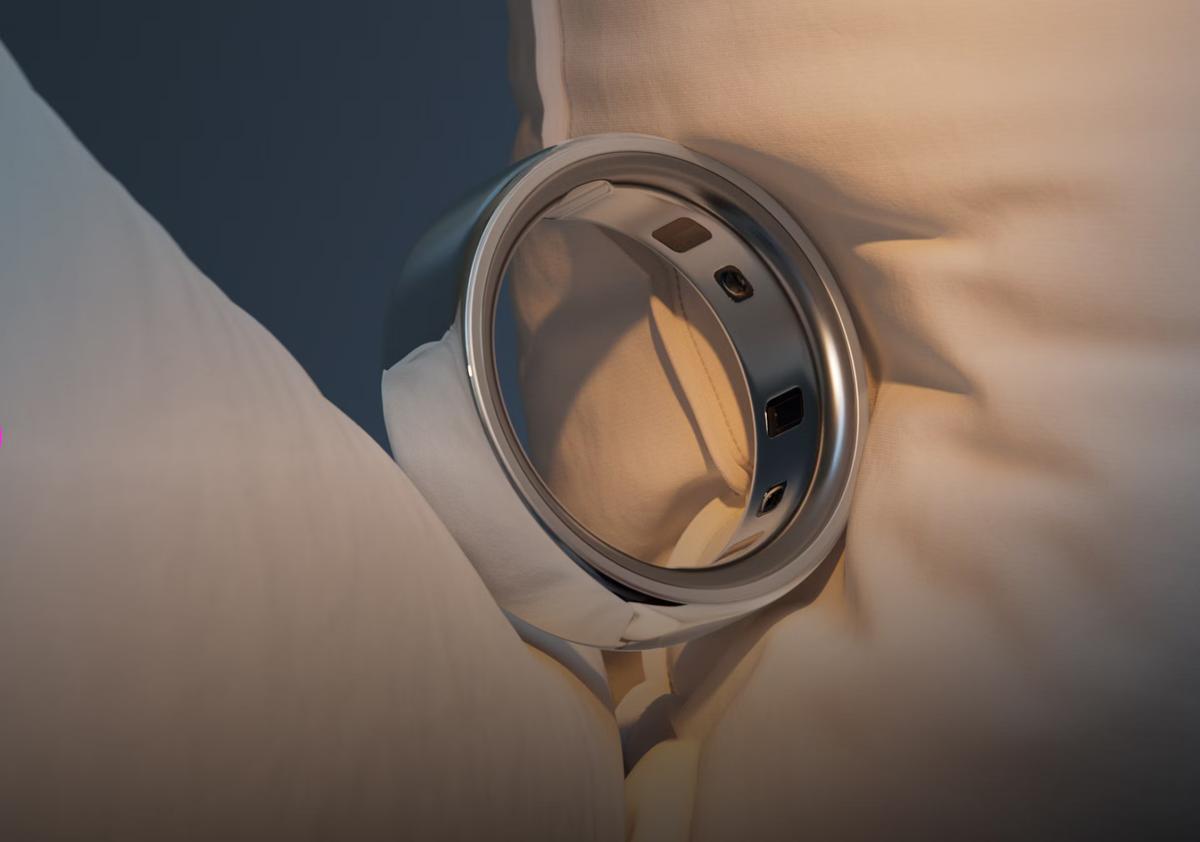
What is Oura Ring
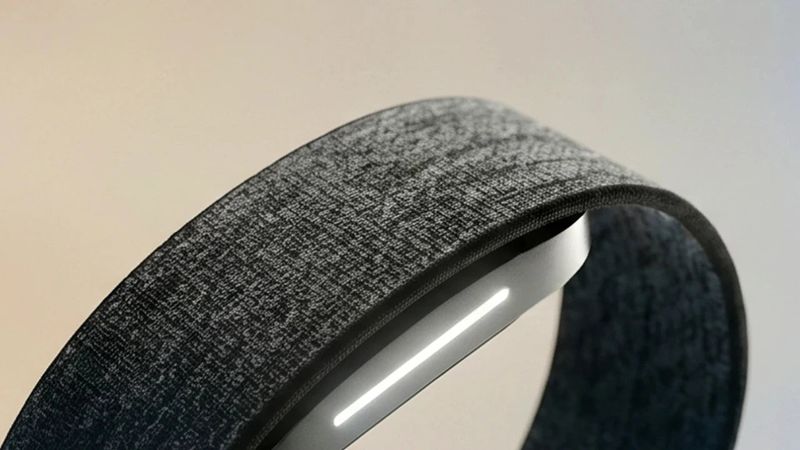
Oura Ring packs a sleep lab into a titanium band on your finger, and checking its "readiness score" has become a morning ritual for pro athletes, longevity podcasters, and probably someone in your group chat. The ring bets everything on what happens while you rest: sleep, recovery, and the overnight signals that decide how tomorrow feels.
The measurements hold up in published research. In a validation study of 96 participants and 421,045 sleep epochs published in Sleep Medicine, the ring's staging algorithm agreed with multi-night lab polysomnography on 75.5% of light-sleep epochs and 90.6% of REM epochs. Overnight it also records finger temperature, heart rate variability, resting heart rate, respiratory rate, and blood-oxygen trends: the raw material a provider can actually use.
The scale test came from academia. More than 65,000 people wore the ring in the UCSF-led TemPredict study, and the resulting Scientific Reports paper found its temperature, heart-rate, and respiratory signals flagged COVID-19 onset an average of 2.75 days before PCR-confirmed participants sought testing. A ring that produces provider-usable health records is more than a wellness gadget, and that is why Oura and other fitness trackers belong in an HSA and FSA conversation at all.
Why Oura Ring Qualifies for HSA/FSA
Oura Ring qualifies because of what it can document, not because a checkout page says so. IRS Publication 502 defines medical expenses as "the costs of diagnosis, cure, mitigation, treatment, or prevention of disease and for the purpose of affecting any part or function of the body." A recovery-tracking ring can serve that definition or serve plain curiosity, which is why administrators handle it as a dual-purpose item. Bought for general wellness, it does not qualify. Bought to help prevent, manage, or reverse a specific health condition, with documentation, it does.
A provider can issue that documentation when the ring's data supports care for a specific, recognized condition. For a sleep-and-recovery tracker, these come up most:
- Insomnia. The American Academy of Sleep Medicine's clinical practice guideline recommends actigraphy, continuous wearable sleep-wake tracking, for evaluating insomnia and following a patient's progress. Oura's night-by-night sleep-stage and efficiency record is exactly that kind of objective pattern data.
- Chronic fatigue syndrome, long COVID, and fibromyalgia. The CDC's ME/CFS management guidance centers on "activity management, also called pacing," with providers reviewing activity patterns to spot post-exertional crash triggers. Oura's readiness score, HRV trend, and activity balance keep that diary passively.
- Anxiety, chronic stress, and depression. "Reducing and managing your stress level can improve your heart rate variability," notes the Cleveland Clinic, and HRV is Oura's core overnight metric. Difficulty sleeping and oversleeping are core symptoms of depression, per the NIMH, and the ring's nightly sleep record gives a provider an objective way to follow both.
- Hypertension and cardiovascular risk. The American Heart Association points to regular activity as a way to help control high blood pressure, and Oura's resting-heart-rate and activity trends support that plan. Oura has no ECG and no rhythm-alert feature, so a letter documents lifestyle-management support, never heart-rhythm monitoring.
- Type 2 diabetes, prediabetes, and weight management. The NIDDK recommends at least 30 minutes of physical activity 5 days a week, and the ring's activity targets and adherence history give that guideline a paper trail, weight management included.
- Perimenopause, PCOS, and cycle irregularity. Perimenopause makes cycles erratic, with hot flashes and night sweats, per the Cleveland Clinic, and irregular or missed cycles are a hallmark of PCOS, per womenshealth.gov. Continuous finger-temperature and cycle tracking documents exactly that pattern.
- Sleep apnea. Oura's breathing-regularity and blood-oxygen trends can add context between visits, and Oura itself says these metrics are "not meant to diagnose any of these conditions, but rather provide helpful information that you can share with your healthcare provider." A letter here supports provider-managed care, never home screening.
Health insurance rarely factors in here. Standard health plans typically do not cover a consumer wearable like Oura Ring, and Medicaid does not either. The route that reliably works is pre-tax HSA or FSA dollars, paired with a letter tying the ring to your health condition.
That documentation is a Letter of Medical Necessity (LMN) from a licensed provider naming your condition, and one letter serves either account type. If you are deciding which account to spend from, our HSA vs FSA guide compares them. Paying pre-tax trims the ring's real cost by up to 30%+ depending on your tax situation.
How to Assess Your Eligibility
The sequence matters more than the store: letter first, purchase second, reimbursement third. You do not need a pharmacy prescription; the letter itself is what establishes eligibility.
- Check that you qualify. You need a specific health condition that the ring's sleep, recovery, or activity data helps you prevent, manage, or reverse, not general wellness curiosity.
- Get your Letter of Medical Necessity. Through your own provider or through Crates. It must be dated before your purchase, so it comes first no matter where you plan to buy.
- Buy your ring wherever you normally shop. No particular retailer's checkout is required. Oura's own store takes HSA/FSA cards, but card acceptance is a payment mechanic, not plan approval, so the letter still matters; at Amazon, Target, or Best Buy you pay with your personal card and keep the receipt.
- Submit for reimbursement. Keep the itemized receipt or order confirmation (membership invoices live in Oura's Membership Hub), then send it with your letter to your administrator, or let Crates one-click reimbursement file the claim for you.
Option 1: Through Your Doctor
If you already see a provider for your condition, they can write the letter:
- Book a visit and say you want to buy an Oura Ring with HSA/FSA funds
- Ask them to document how it helps prevent, manage, or reverse your condition
- Make sure the letter is signed and dated
- Timeline: same day to a couple of weeks, and you may owe a copay
Option 2: Through Crates
Crates streamlines the same process online:
- Complete a short health assessment, about 2 to 3 minutes
- A licensed provider reviews it, typically within 24 to 48 hours
- If you qualify, your Letter of Medical Necessity is issued for the Oura Ring
- Buy the Oura Ring with your personal card at any retailer
- Submit with one-click reimbursement to process your HSA/FSA claim
- Your LMN stays valid for 12 months and renews each year
What Your Letter of Medical Necessity Must Include
Whichever route you take, a letter that holds up includes:
- Your name, plus your provider's name, credentials, and signature
- The specific health condition the ring will help address
- How the ring helps prevent, manage, or reverse that condition
- An issue date earlier than your purchase date
Which Oura Ring Products Qualify
Every current ring qualifies the same way; the model changes the price, never the answer.
| Product | Approx. price | Eligible with an LMN |
|---|---|---|
| Oura Ring 5 | $399, or $499 in premium finishes | Yes |
| Oura Ring 4 | $349, often discounted since the Ring 5 launch | Yes |
| Oura Ring Gen3 (Heritage and Horizon) | Varies; still sold at retailers like Best Buy | Yes |
| Oura Membership | $5.99 per month or $69.99 per year | Prepaid with a new ring: yes. Standalone monthly billing: no |
Ring 5 arrived in mid-2026, and eligibility confusion arrived with it, including widely shared posts claiming the new ring "isn't FSA eligible" on Amazon. Nothing changed. A Ring 5 is the same dual-purpose device as the Ring 4 and Gen3 before it, and it qualifies with the same letter; what those posts describe is third-party checkout coding, not an IRS decision.
The membership is the one line that splits. A membership year prepaid as part of your new-ring order is sold in Oura's own store as an HSA/FSA-purchasable line item, so it rides with the device purchase. The standalone $5.99 monthly charge that follows is billing for a digital service, and the letter documenting your ring's medical purpose does not extend to it. If covering the membership matters to you, prepay it with the ring.