Why Dehumidifiers Qualify for HSA/FSA
A dehumidifier removes the moisture that helps dust mites and mold thrive indoors. When those triggers aggravate your health condition, reducing dampness has a medical purpose. Your provider connects that purpose to the appliance in your Letter of Medical Necessity (LMN), making the purchase HSA/FSA eligible.
IRS Publication 502 puts the “diagnosis, cure, mitigation, treatment, or prevention of disease” within its definition of medical expenses. Its Personal Use Items rule includes an everyday item when it is “used primarily to prevent or alleviate a physical or mental disability or illness”. That is the distinction between drying a room for general comfort and using a dehumidifier for your condition.
For a standalone dehumidifier bought for that documented medical purpose, the full purchase cost qualifies with an LMN. A room unit sold at an appliance store follows this rule just as a larger basement unit does.
Do Dehumidifiers Help With Allergies and Asthma?
Yes, dehumidifiers help control the humid environment that supports indoor allergy triggers. The American Academy of Allergy, Asthma & Immunology recommends dehumidifiers for dust-mite control and damp basements. Lowering moisture is useful when those indoor allergens are the problem.
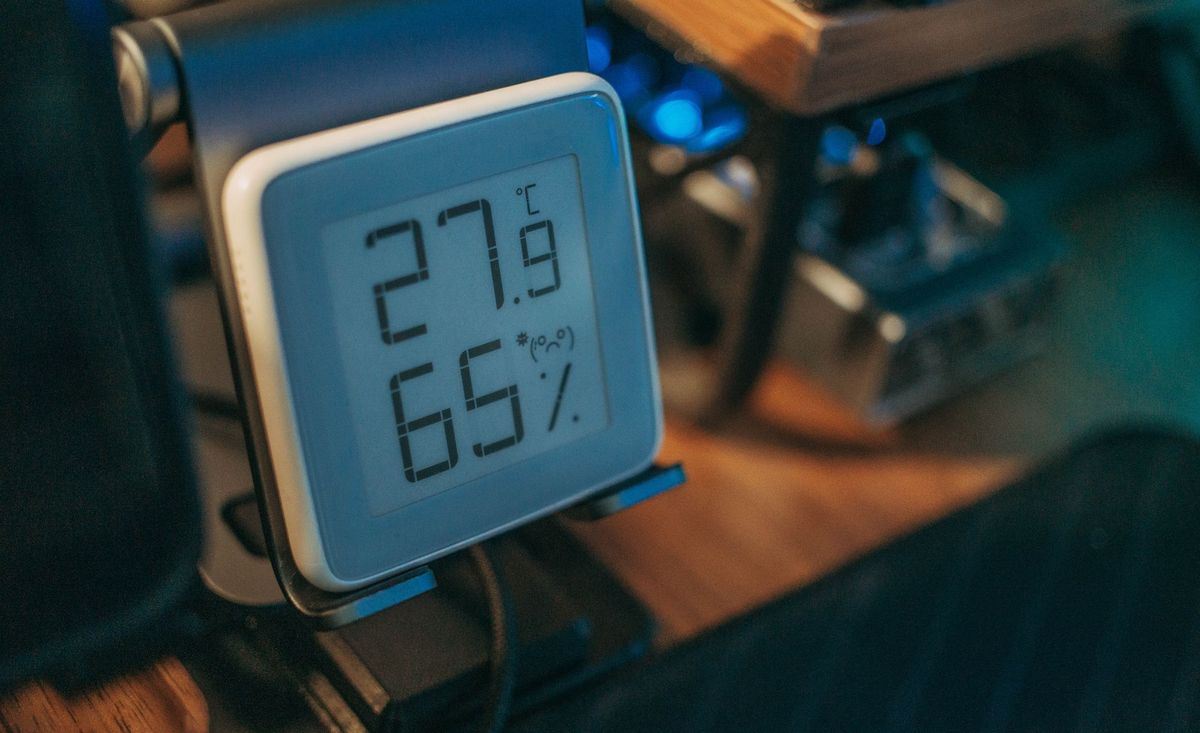
Mayo Clinic's dust mite allergy guidance gives the same advice: keep relative humidity below 50%, and a dehumidifier or air conditioner can help keep it there.
Health Conditions That Qualify for a Dehumidifier
Dust mite allergy, mold allergy, and allergic asthma give a dehumidifier a specific job: reducing humidity that supports your indoor triggers. These are some common conditions a provider can document in an LMN:
- Dust mite allergy. Dust mites depend on moisture in the air. The American College of Allergy, Asthma & Immunology says they die when humidity falls below 50% and that a dehumidifier can help in humid climates. This matters in bedrooms, where mites collect in bedding and upholstered furniture.
- Mold allergy. Keeping a damp room drier helps limit new mold growth and the exposure that sets off allergy symptoms. Mayo Clinic's mold-allergy guidance recommends a dehumidifier in musty or damp areas, with humidity below 50%.
- Allergic asthma triggered by indoor mold or dust mites. Humidity control addresses the conditions that help those asthma triggers build up. The CDC's asthma-control guidance includes dehumidifiers to keep moisture low and recommends keeping indoor humidity under 50% for mold control.
Other conditions qualify when your provider documents how a dehumidifier helps prevent or manage them.
How to Get a Letter of Medical Necessity for a Dehumidifier
You have two ways to get a letter for the dehumidifier:
- Through Crates, typically in under 24 hours. Complete a 2 to 3 minute online health assessment. A licensed provider reviews your answers and, if you qualify, issues your letter for the dehumidifier. It stays valid for 12 months and renews each year.
- Through your own doctor, a few days to a few weeks. Book a visit, explain that you want to buy a dehumidifier with HSA/FSA funds, and ask your doctor to document how it helps prevent, manage, or reverse your condition. Make sure the letter is signed and dated. You may owe a copay.
How to Buy a Dehumidifier With HSA/FSA Funds
Buy from the retailer you like, then get your money back from your account.
- Get your Letter of Medical Necessity first. Use Crates or your own doctor, as explained above.
- Buy the dehumidifier anywhere. Pay with your personal card, online or in store, and keep the itemized receipt showing the appliance and amount paid.
- Get your money back. Crates one-click reimbursement files the claim for you, or upload the letter and receipt yourself. For an HSA, keep both with your tax records.
Publication 969 explains that HSA expenses must arise after the account is established, while FSA expenses fall within your coverage period. Our HSA vs. FSA guide explains the account differences.
Dehumidifier Types and Brands
Any dehumidifier brand qualifies the same way: with an LMN for your condition. The practical differences are how much water the appliance removes, where it works, and how it drains. ENERGY STAR distinguishes portable room units from whole-home systems that typically connect to air ducts.
| Dehumidifier type | What it does |
|---|---|
| Basement unit | Removes moisture from a damp basement; a drain hose or pump reduces bucket emptying |
| Whole-home system | Connects to ductwork to manage humidity across multiple rooms |
| Bedroom unit | Controls moisture in a sleeping space; sound level and bucket size affect everyday use |
| Small portable unit | Fits a smaller space; water-removal capacity matters more than the appliance's footprint |
| Desiccant unit | Uses moisture-absorbing material rather than refrigeration coils |
| Compressor unit | Condenses moisture on cold coils and collects the water in a tank or drain |
“Compressor” and “desiccant” describe how the appliance removes water; “basement” and “bedroom” describe where you use it.
Whole-home installation has a separate cost rule. Under Publication 502's Capital Expenses section, a permanent improvement made primarily for medical care counts after subtracting any increase in property value. If it adds no property value, the full cost counts.
| Brand | Known for | Eligible with an LMN |
|---|---|---|
| Levoit | Smart Dehumidifier with 24/7 Pump Drainage and app controls | Yes |
Levoit's Smart Dehumidifier with 24/7 Pump Drainage has a regular list price of $299.99, checked October 22, 2026. Its 25-pint daily capacity is measured at 65°F and 60% relative humidity; its higher 84-pint figure uses hotter, more humid test conditions. Our Levoit HSA/FSA guide covers the brand's other appliances. Frigidaire, hOmeLabs, Midea, and other dehumidifier brands follow the same LMN rule.
These appliances do different jobs: humidifiers add moisture, while air purifiers filter airborne particles. A dehumidifier is the moisture-removal choice for damp-air triggers.
How Much Can You Save With HSA/FSA Funds?
Using pretax HSA/FSA funds saves up to 30%, depending on your taxes and contribution arrangement. For an illustrative $300 dehumidifier, a combined rate near 30% means $90 you keep, bringing the effective cost to $210.
Each savings figure below is the example purchase price multiplied by the illustrated combined tax rate:
| Example purchase price | Savings at 20% combined | Savings at 25% combined | Savings at 30% combined |
|---|---|---|---|
| $100 | $20 | $25 | $30 |
| $200 | $40 | $50 | $60 |
| $300 | $60 | $75 | $90 |
| $500 | $100 | $125 | $150 |
These are illustrative standalone-unit prices, not current offers. The combined rates include federal income tax, state income tax where applicable, and payroll tax where your contribution arrangement allows. Publication 969 describes the accounts' tax advantages. Provider or LMN fees are separate from these purchase examples.