Sunscreen Is HSA and FSA Eligible Without a Prescription
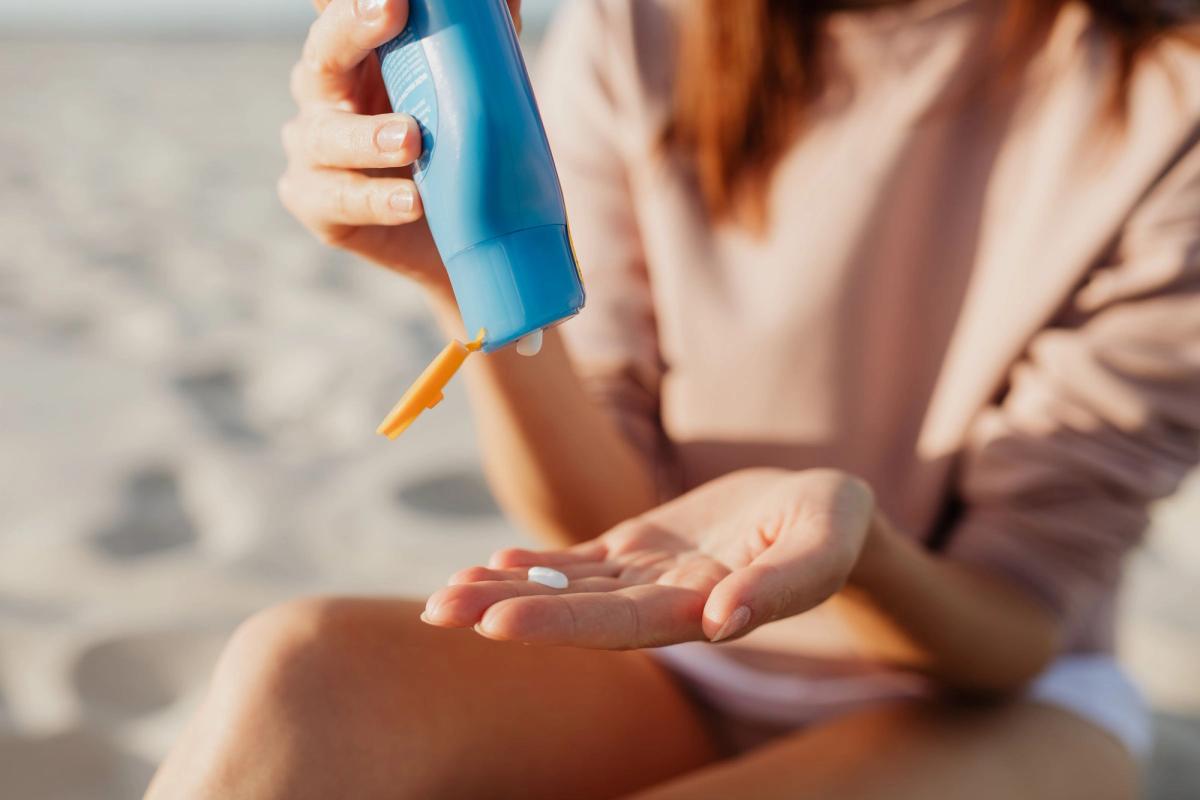
Sunscreen's eligibility starts with how the FDA classifies it. Under 21 CFR 201.327, sunscreen is an over-the-counter drug, the same regulatory category as ibuprofen or allergy medicine. That classification does all the work: since the CARES Act took effect in January 2020, OTC drugs can be paid or reimbursed with HSA and FSA funds, no prescription involved. Sunscreen rides that rule, and the rule has been stable since 2020.
So the checkout list is short. You do not need a prescription. You do not need a Letter of Medical Necessity, the document that unlocks dual-use wellness items like saunas and red-light panels. You do not need a doctor visit, a pre-approval, or any condition on file. If the label reads Broad Spectrum with an SPF of 15 or higher, the bottle qualifies on its label alone.
One naming note: sunblock is the same product under an older name. Your administrator makes no distinction, and neither does the register.
Why Sunscreen Counts as a Medical Expense
Sunscreen counts because prevention counts. IRS Publication 502 defines medical expenses as "the costs of diagnosis, cure, mitigation, treatment, or prevention of disease and for the purpose of affecting any part or function of the body." Sunscreen sits squarely inside the prevention clause, and the FDA is unusually specific about what it prevents.
Only sunscreens rated Broad Spectrum SPF 15 or higher may carry the drug-label claim that the product, "if used as directed with other sun protection measures (see Directions), decreases the risk of skin cancer and early skin aging caused by the sun." That is a meaningful medical function: skin cancer is the most common cancer in the United States, and the American Academy of Dermatology's current estimate is that one in five Americans will develop it in their lifetime.
The everyday tier matters too. Every sunscreen's baseline FDA indication is that it helps prevent sunburn, which also heads off the sun poisoning a severe burn can turn into. Daily SPF is a standard dermatology recommendation for people managing hyperpigmentation, where tinted mineral formulas help keep dark patches from deepening, and for people with psoriasis, whose skin can flare after a burn.
And if you got here searching whether sunscreen is FSA eligible for acne: no condition is required, acne included. These conditions explain why sunscreen is medicine; none of them decides whether you can buy it.
The SPF 15+ Broad-Spectrum Rule
The SPF 15 bar is real, but it is not an IRS rule, and most articles get the attribution wrong. The IRS's entire contribution is the OTC rule itself. Its medical-expense FAQ confirms that "the cost of over-the-counter drugs and also menstrual care products may be paid or reimbursed by an HSA, FSA, Archer MSA, or HRA." The agency publishes no SPF criterion anywhere; sunscreen appears in neither Publication 502 nor Publication 969.
The threshold lives one layer down, with the FDA: 21 CFR 201.327 reserves the skin-cancer and early-aging claim for Broad Spectrum SPF 15+ products, which makes that the line where sun care becomes preventive medicine. Everything above the floor, SPF 30, SPF 50, SPF 100, clears the same bar.
Administrators apply that line at the register. FSAFEDS, the federal government's own FSA program, lists sunscreen with SPF 15+ and broad-spectrum protection as eligible, and the card networks' inventory system codes products the same way. When another article hands the SPF rule to the IRS, the paper trail actually runs through the FDA and your plan administrator.
What Sunscreen Products Qualify
Format is irrelevant; the Drug Facts panel is everything. A product whose primary job is sun protection and whose label reads Broad Spectrum SPF 15 or higher qualifies in every form it is sold in.
| Product type | Qualifies? | Why |
|---|---|---|
| SPF 15+ broad-spectrum lotion, spray, stick, mineral, sport, baby and kids formulas | Yes | FDA OTC drug plus the IRS OTC rule; FSAFEDS lists it as eligible |
| SPF 15+ lip balm | Yes | Same OTC sunscreen drug form, listed by administrators |
| Tinted sunscreen with a Drug Facts label, sun protection primary | Yes | Still an OTC sunscreen monograph drug |
| Makeup, foundation, or moisturizer with SPF, cosmetic primary | Gray area | Qualifies when sun protection is the primary purpose; administrators often reject cosmetic-first products |
| Medicated after-sun gel with an active drug ingredient like lidocaine | Yes | Covered by the same OTC drug rule |
The gray row is the one that catches people. A tinted mineral sunscreen that leads with sun protection is still an OTC drug and clears cleanly. Flip the proportions, to a foundation or a daily moisturizer that happens to contain SPF, and administrators run a primary-purpose test instead. The root is Publication 502's personal-use exclusion: an item ordinarily used for personal purposes counts only when "it is used primarily to prevent or alleviate a physical or mental disability or illness," and a cosmetic that includes SPF as a bonus rarely convinces anyone its primary purpose is medical. Rejections of SPF makeup claims are common enough to plan around.
The self-check takes five seconds: turn the product around. A true OTC sunscreen shows a Drug Facts panel with active ingredients on the back and Broad Spectrum SPF on the front. A cosmetic with SPF shows an ingredients list styled like a shampoo label. Put the first kind on your benefits card; keep the second on your regular one.
How to Buy Sunscreen with HSA or FSA Funds
Most of the time you just pay. At pharmacies, grocery stores, and big-box retailers, an inventory approval system called IIAS recognizes SPF 15+ broad-spectrum sunscreen as an eligible over-the-counter item and approves your FSA or HSA card at the register, nothing to file afterward. Amazon runs the same rails and marks eligible sunscreens on the product page. Where card acceptance thins out is small shops, resort kiosks, and boutique skincare sites that never registered as medical sellers.
When the card path is not there, the reimbursement path always is. Pay with your personal card, keep the itemized receipt showing the product name and SPF, and submit the claim to your administrator, or use Crates one-click reimbursement to file it for you.
Two account mechanics round this out. Your funds cover sunscreen for your spouse and tax dependents, the same as any eligible expense, so the family beach bag counts. And both account types run this purchase identically; if you are weighing one against the other, our HSA vs FSA guide breaks down the differences.
What to Do If Your Claim Gets Rejected
A rejected sunscreen claim is almost always a documentation gap, not a verdict on the product. Administrators deny claims that arrive as a bare card total, and they deny gray-tier products that look cosmetic on paper; both have fixes.
Start with the itemized receipt: it needs to show the product name, not just the store and the amount. Add a photo of the label, front and back, so the Broad Spectrum wording, the SPF number, and the Drug Facts panel are all visible; that panel is the exact evidence the eligibility rule turns on. Then resubmit through your administrator's portal with a short note that the product is an FDA-regulated OTC sunscreen drug.
If the rejected item was makeup or a moisturizer with SPF, expect the denial to stand. The primary-purpose line is one administrators do enforce, and the durable fix is buying a dedicated sunscreen next time.
Which Sunscreen Brands Are FSA and HSA Eligible
The brand is the wrong unit. Eligibility attaches to the individual product's label, so every name people search one by one, Blue Lizard, EltaMD, Supergoop, Kopari, Sun Bum, qualifies when the bottle in your hand reads Broad Spectrum SPF 15 or higher and carries a Drug Facts panel, and none of them qualifies for cosmetic-first products like glow oils or SPF-infused makeup. Read the back of the bottle, not the logo on the front.
How Much You Can Save on Sunscreen with HSA/FSA
The December version of this math is the one worth running. Say your FSA closes the year with $150 still in it. A sunscreen stock-up converts money you would otherwise forfeit into next summer's supply, and the tax math works even without a deadline: $150 of pre-tax spending at a combined rate near 30% (federal, state, and payroll taxes together) is roughly $45 that stays yours. Sunscreen keeps well enough that buying a year ahead is practical, which makes it the rare year-end purchase you will definitely use.
Here is the same discount by federal bracket, before state and payroll savings stack on top:
| Sunscreen purchase | Price | 22% bracket | 32% bracket | 37% bracket |
|---|---|---|---|---|
| One SPF 30 lotion | $15 | $3.30 | $4.80 | $5.55 |
| Summer supply for one adult | $45 | $9.90 | $14.40 | $16.65 |
| Family stock-up for the season | $120 | $26.40 | $38.40 | $44.40 |
| Year-end FSA stock-up | $200 | $44.00 | $64.00 | $74.00 |
An HSA removes the deadline entirely: balances roll over forever, so the same purchases earn the same discount whenever you make them. Most FSA balances do not roll over, which is exactly why sunscreen shows up in so many December carts.
What Does NOT Qualify
The excluded list is short and specific:
- Sunscreen under SPF 15, and suntan lotion. FSAFEDS lists both as not eligible, and the FDA requires sub-threshold products to carry a warning that the product "has been shown only to help prevent sunburn, not skin cancer or early skin aging."
- Self-tanners, tanning oils, and tanning accelerators. They protect nothing, so no OTC drug status applies. Target's FSA-eligible sun-care browse page currently groups self-tanners and tanning oils into the category; that is a retailer shelving error, not a rules change, and a product with no sun-protection function does not become eligible by appearing on the page.
- Plain aloe vera and cosmetic after-sun moisturizers with no active drug ingredient. No Drug Facts panel means no OTC drug, and no OTC drug means no eligibility. The medicated versions clear, as covered above.
One honest footnote. When a provider documents a specific health condition and connects an otherwise excluded product to it, that purchase can take a different route, through a Letter of Medical Necessity. The letter is also the front door for most dual-use wellness items, and our guide covers how it works. On this page it is the exception, not the default: standard SPF 15+ broad-spectrum sunscreen never needs one.