Are Vitamins and Supplements HSA/FSA Eligible?
Yes, vitamins and supplements are HSA/FSA eligible when a licensed provider recommends them for a specific health condition. For most supplements, that means getting a Letter of Medical Necessity (LMN), a short document you can obtain online in minutes.
Here is the logic. IRS Publication 502 defines medical expenses broadly, as the costs of "diagnosis, cure, mitigation, treatment, or prevention of disease." Vitamins and supplements are "dual-purpose" items within that definition: the same product can be used for general health (not eligible) or for a specific medical purpose (eligible with documentation). Under Publication 502, you can include the cost of vitamins and supplements in medical expenses if they are "recommended by a medical practitioner as treatment for a specific medical condition diagnosed by a physician."
A few supplements skip the LMN step in practice. Most HSA/FSA administrators approve prenatal vitamins without an LMN because pregnancy itself is a specific medical purpose, and glucosamine and chondroitin are widely handled the same way for joint conditions. For everything else, the LMN is what turns a supplement purchase into a qualified medical expense, and even for the exceptions, an LMN removes all doubt.
Are vitamins FSA eligible, specifically? Yes. An FSA follows the same IRS rules as an HSA for supplements: with an LMN documenting your health condition, your purchases qualify for reimbursement. The one FSA-specific difference actually works in your favor: most FSA funds expire at year-end, so supplement reimbursements are one of the simplest ways to use a remaining balance before the deadline. See our HSA vs FSA guide for how the two account types compare.
Which Vitamins and Supplements Are HSA/FSA Eligible?
With a Letter of Medical Necessity, virtually any vitamin or supplement becomes HSA/FSA eligible. The key requirement is that the supplement addresses a specific health condition or deficiency. Here are the most common categories:
Essential Vitamins
Vitamin D: One of the most commonly deficient nutrients in America. The Endocrine Society recommends supplementation for those with levels below 30 ng/mL. Eligible when addressing deficiency, bone health concerns, or immune support needs.
Vitamin B12: Essential for energy production, neurological function, and red blood cell formation. Deficiency is particularly common among adults over 50, vegetarians, and those taking certain medications. The NIH notes that up to 15% of the general population may be B12 deficient.
Vitamin C: A powerful antioxidant that supports immune function, collagen synthesis, and iron absorption. Suboptimal levels can impair wound healing and immune response. For a popular example, see our Emergen-C HSA eligibility guide.
B-Complex Vitamins: Support energy metabolism, nervous system function, and stress management. Eligible when addressing fatigue, stress-related depletion, or specific deficiencies.
Essential Minerals
Magnesium: Involved in over 300 enzymatic reactions in the body. The NIH reports that nearly half of Americans consume less than the recommended amount. Supports muscle function, sleep quality, stress response, and cardiovascular health.
Iron: Critical for oxygen transport and energy production. The World Health Organization estimates that 30% of the global population is anemic, often due to iron deficiency, which particularly affects women of childbearing age.
Zinc: Supports immune function, wound healing, and protein synthesis. Adequate zinc levels are associated with reduced duration of common colds.
Calcium: Essential for bone health, muscle function, and nerve transmission. The National Osteoporosis Foundation recommends supplementation for those who cannot meet their needs through diet alone.
Omega Fatty Acids
Fish Oil/Omega-3s: EPA and DHA support cardiovascular health, brain function, and inflammation management. The American Heart Association recommends omega-3 fatty acids for heart health, particularly for those with elevated triglycerides. Algae-based omega-3s are a plant-based alternative and equally eligible with an LMN.
Digestive Health Supplements
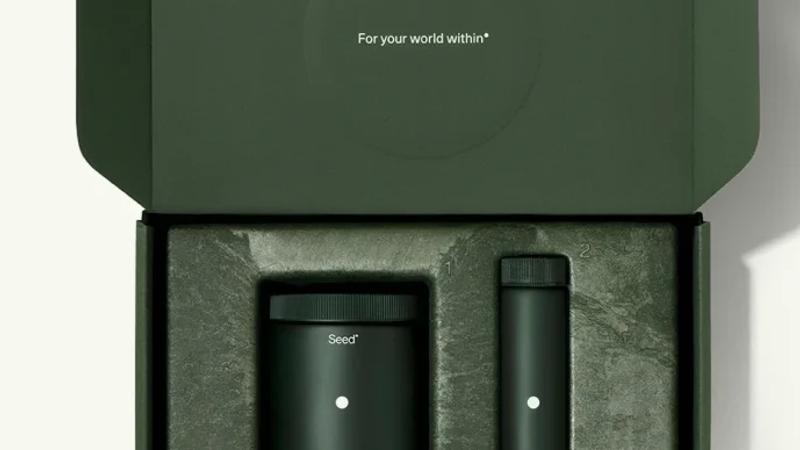
Probiotics: Support gut microbiome balance, digestive function, and immune health. Research published in the Journal of Clinical Gastroenterology supports probiotic use for conditions like IBS and antibiotic-associated diarrhea. For a popular example, see our Seed HSA eligibility guide.
Digestive Enzymes: Help break down food for better nutrient absorption, particularly for those with pancreatic insufficiency, lactose intolerance, or age-related enzyme decline.
Fiber Supplements: Support digestive regularity and cardiovascular health. The FDA has approved health claims linking soluble fiber intake to reduced cholesterol levels.
Specialty and Condition-Specific Supplements
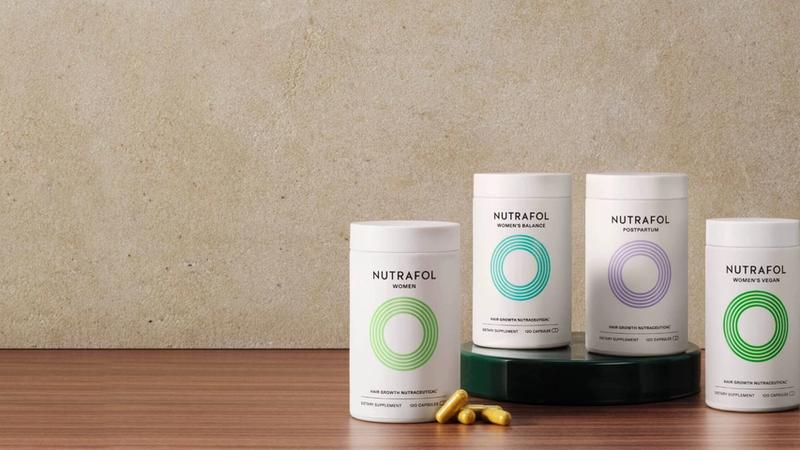
Prenatal Vitamins: The fast case. Because pregnancy is itself a specific medical purpose, most administrators approve prenatal vitamins without an LMN, and many retailers accept HSA/FSA cards for them directly at checkout. The CDC recommends folic acid supplementation for all women of childbearing age to prevent neural tube defects.
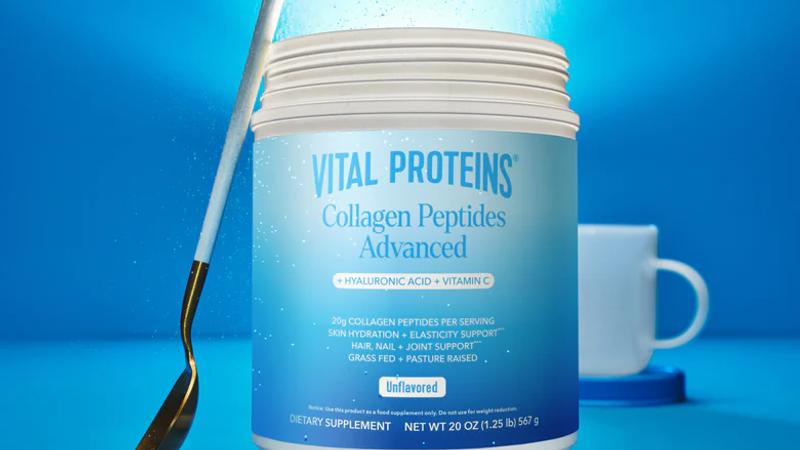
Collagen: Supports skin, joint, and connective tissue health. Studies in the Journal of Cosmetic Dermatology show improvements in skin elasticity and hydration. Eligible when addressing joint pain, wound healing, or skin conditions. See our guide on Vital Proteins HSA eligibility.
CoQ10: Supports cellular energy production and cardiovascular function.
Melatonin: Supports healthy sleep patterns and circadian rhythm regulation. The American Academy of Sleep Medicine publishes clinical guidance on melatonin use for certain sleep disorders. Eligible with an LMN when recommended for a sleep condition such as insomnia or circadian rhythm disruption.
Creatine: A genuinely dual-use case, so here is the honest answer. Creatine bought for general muscle building is not HSA/FSA eligible, and no paperwork changes that. With an LMN for a specific condition, such as sarcopenia (age-related muscle loss) or regaining strength while recovering from an illness or injury, it qualifies like any other supplement.
Electrolytes (LMNT, Liquid IV, etc.): Support hydration and muscle function. Eligible when addressing dehydration, electrolyte imbalance, or conditions requiring enhanced hydration. Check out our detailed guides on LMNT HSA eligibility and Liquid IV HSA eligibility.
Protein Supplements: Support muscle maintenance, recovery, and overall protein intake. Eligible when addressing sarcopenia, recovery from surgery or illness, or protein deficiency.
Popular HSA/FSA Eligible Supplement Brands
The following popular supplement brands are all eligible for HSA/FSA reimbursement with an LMN. Each brand has its own detailed eligibility guide on our blog, and every price was verified in July 2026 (subscription-first brands show the monthly price):
| Brand | Category | HSA/FSA Status | Typical Price | Best For |
|---|---|---|---|---|
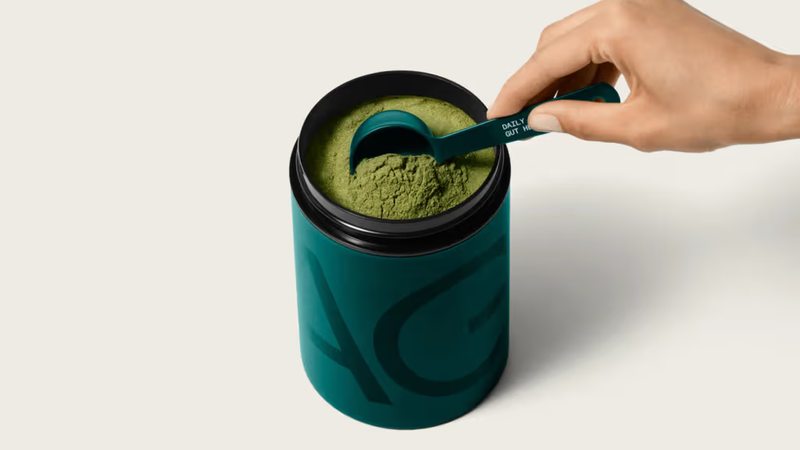
| AG1 (Athletic Greens) | Comprehensive Nutrition | Eligible with LMN | $79/mo (subscription) | Nutrient gaps, energy, immunity |
| Ritual | Daily Multivitamins | Eligible with LMN | $33/mo (subscription) | Essential nutrient gaps |
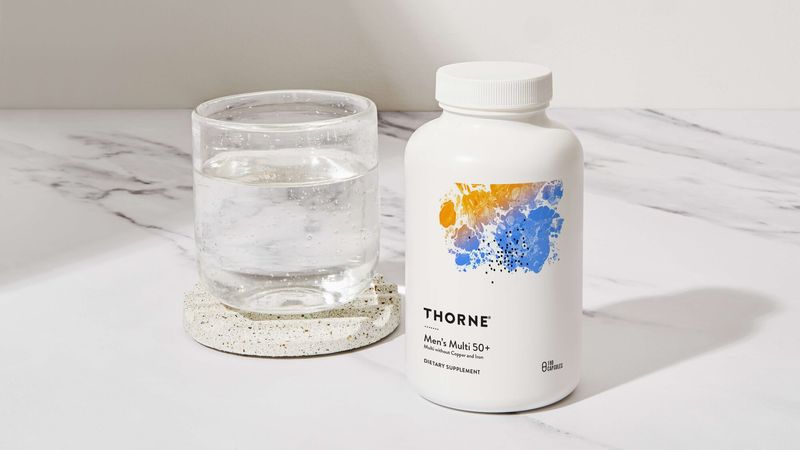
| Thorne | Premium Supplements | Eligible with LMN | $36–$68 | Targeted nutrient support |
| Momentous | Performance Nutrition | Eligible with LMN | $32–$43 | Athletic recovery, creatine, sleep |
| Seed | Probiotics | Eligible with LMN | $49.99/mo (subscription) | Gut health, digestion |
| Legion Athletics | Protein and Performance | Eligible with LMN | $40–$120 | Protein needs, muscle recovery |
| Vital Proteins | Collagen | Eligible with LMN | $30–$50 | Joint health, skin, hair |
| Blueprint (Bryan Johnson) | Longevity Nutrition | Eligible with LMN | $49–$147 | Comprehensive micronutrient support |
| Magic Mind | Mental Performance Shots | Eligible with LMN | $66–$74 (box) | Focus, mental energy |
| LMNT | Electrolytes | Eligible with LMN | $39–$45 (30-stick box) | Hydration, muscle function |
| Liquid IV | Hydration | Eligible with LMN | $17–$25 (16-stick pouch) | Dehydration, electrolyte balance |
Prices are typical published prices from official brand sites or major retailers and change often; check the linked guide for current details. Other established brands such as Nordic Naturals, Garden of Life, Pure Encapsulations, and NOW Foods qualify the same way with an LMN.
Common Health Conditions That Qualify for Supplement Coverage
The range of health conditions that can support supplement eligibility is broad. Here are some of the most common:
Cardiovascular Health: Heart disease risk, high cholesterol, high blood pressure, or family history of cardiovascular issues can support eligibility for omega-3s, CoQ10, magnesium, and other heart-supportive supplements.
Bone Health: Osteoporosis risk, osteopenia, or low bone density support eligibility for calcium, vitamin D, vitamin K2, and collagen supplements.
Digestive Health: IBS, GERD, bloating, irregular digestion, or gut dysbiosis support eligibility for probiotics, digestive enzymes, and fiber supplements.
Energy and Fatigue: Chronic fatigue, low energy, or documented nutrient deficiencies support eligibility for B vitamins, iron, vitamin D, and adaptogenic supplements.
Immune Function: Frequent illness, weakened immunity, or autoimmune conditions support eligibility for vitamin C, vitamin D, zinc, and immune-supporting supplements.
Sleep Disorders: Insomnia, poor sleep quality, or circadian rhythm disruption support eligibility for melatonin, magnesium, and sleep-supporting supplements.
Joint and Muscle Health: Arthritis, joint pain, muscle recovery needs, or connective tissue concerns support eligibility for collagen, glucosamine, turmeric, and omega-3s.
Pregnancy and Fertility: Pregnancy, trying to conceive, or breastfeeding support eligibility for prenatal vitamins, folate, iron, and DHA supplements.
Cognitive Health: Brain fog, memory concerns, or neurological health support eligibility for omega-3s, B vitamins, and nootropic supplements.
Why Do Vitamins and Supplements Require an LMN?
Because supplements are dual-purpose items, usable for general health or for a specific medical purpose, your HSA/FSA administrator needs documentation that your purchase serves the medical purpose rather than general health. A Letter of Medical Necessity provides exactly that. It establishes that a licensed healthcare provider has determined the supplement is medically appropriate for your specific health situation. Without it, your HSA or FSA administrator has no way to verify the purchase is for a qualifying medical expense.
The good news: Publication 502 defines medical care to include the "prevention of disease," so a qualifying health condition encompasses far more than serious illness. It includes:
- Nutrient deficiencies (documented or suspected based on risk factors)
- Prevention of conditions you are at risk for (family history, lifestyle factors)
- Management of ongoing health concerns
- Wellness goals tied to a specific health condition, like improving sleep quality or supporting bone density
Important: Your LMN must be dated before your purchase. Purchases made before obtaining your LMN are not retroactively eligible.
How to Get Your LMN for Vitamins and Supplements
You have two paths to getting your Letter of Medical Necessity.
Option 1: Through Your Doctor
- Schedule an appointment with your primary care provider ($50-150 copay)
- Discuss your health concerns and which supplements you want to use
- Request an LMN specifying the supplements and the health conditions they address
- Timeline: Usually 1-3 weeks depending on appointment availability
Option 2: Through Crates (Recommended)
- Complete a quick health assessment online (about 3 minutes)
- A licensed provider reviews your information (typically within 24-48 hours)
- If eligible, your LMN is issued covering a wide range of supplements
- Purchase supplements anywhere using your personal card
- Use Crates one-click reimbursement to get your HSA/FSA funds
How Does the Reimbursement Process Work?
Once you have your LMN, the reimbursement process is straightforward:
- Make your purchase: Buy your supplements from any retailer using your personal credit or debit card. You do not need to use your HSA/FSA card at the point of sale.
- Save your receipt: Keep the itemized receipt showing the product name, date, and amount paid.
- Submit for reimbursement: Through Crates, this is a one-click process. Simply scan or upload your receipt, and Crates matches it to your LMN and submits the reimbursement request to your HSA/FSA administrator.
- Receive your funds: Reimbursement is typically processed within 3-5 business days and deposited directly to your bank account or HSA/FSA card.
With Crates, you can also set up recurring reimbursement for subscription supplements. Once your initial purchase is approved, future purchases of the same products are automatically processed.
How Much Can You Save on Supplements with HSA/FSA?
The savings from using HSA/FSA funds for supplements can be substantial. Because these accounts use pre-tax dollars, your effective savings equal your marginal tax rate. Here is what that looks like with real 2026 prices:
| Product (2026 price) | Annual Cost | 22% Bracket | 32% Bracket | 37% Bracket |
|---|---|---|---|---|
| AG1 subscription ($79/mo) | $948 | $209 | $303 | $351 |
| Seed DS-01 ($49.99/mo) | $600 | $132 | $192 | $222 |
| Ritual Essential ($33/mo) | $396 | $87 | $127 | $147 |
Note: Actual savings include federal income tax, state income tax (if applicable), and FICA taxes (7.65%). Total savings can exceed 40% for those in higher tax brackets in states with income tax.
Why Vitamins and Supplements Are More Important Than Ever
Modern life has created a perfect storm for nutrient deficiencies. According to research published in the Journal of Nutrition, over 90% of Americans do not meet the recommended daily intake of at least one essential nutrient. The CDC's National Health and Nutrition Examination Survey (NHANES) reports that approximately 10% of the U.S. population has nutritional deficiencies, with vitamin D, vitamin B6, vitamin B12, and iron among the most common, and the NIH Office of Dietary Supplements estimates that 42% of U.S. adults are vitamin D deficient.
These deficiencies are not just abstract numbers. They show up as fatigue, weakened immunity, bone loss, and cognitive decline. This is precisely why the IRS allows HSA/FSA funds to be used for supplements when recommended to prevent, manage, or reverse these conditions.