Why Rowing Machines Qualify for HSA/FSA
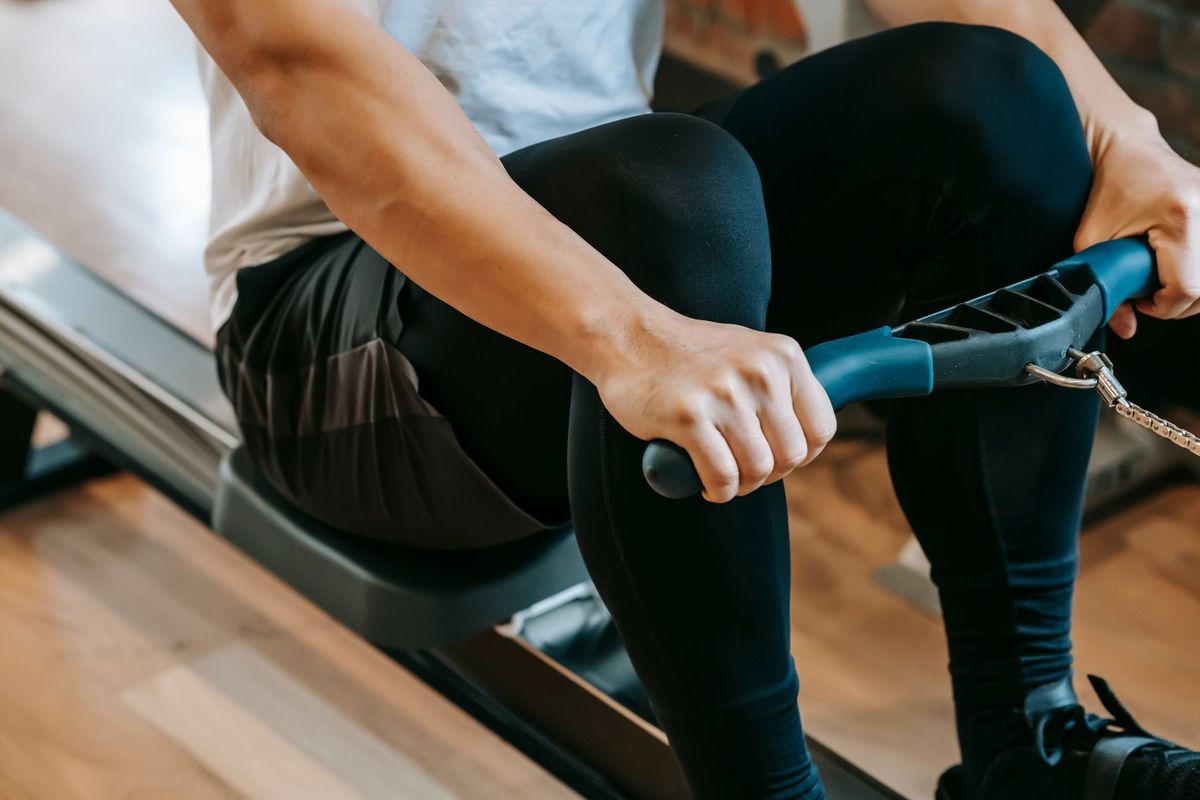
A rowing machine gives you aerobic exercise from a seated position, with your legs, arms and core working together. Cleveland Clinic describes rowing as a low-impact workout with both aerobic and strength benefits. That makes a rower useful for more than training for your next race.
The medical purpose is what matters for HSA/FSA spending. IRS Publication 502 includes the costs of “diagnosis, cure, mitigation, treatment, or prevention of disease” in its definition of medical expenses. A rower used primarily for a specific health condition qualifies with a letter.
Your licensed provider explains how rowing helps your condition in a Letter of Medical Necessity (LMN). That documented connection makes the machine HSA/FSA eligible, whether you prefer a simple air rower or a screen full of guided workouts.
What Conditions Qualify for a Rowing Machine?
Knee osteoarthritis, type 2 diabetes and high blood pressure are among the conditions a provider can document for rowing. The reason varies: controlled leg movement, improved blood sugar management or regular aerobic activity. These are some of the common ones, with the evidence for each:
- Knee osteoarthritis. Rowing is done seated, and Cleveland Clinic notes it puts less wear and tear on your knees than high-impact cardio. A 12-week trial in BMC Geriatrics involving 38 older adults with mild knee osteoarthritis found better muscle strength and function with computer-aided rowing than with conventional resistance exercise.
- Type 2 diabetes. Rowing uses large muscle groups involved in glucose uptake. In a small Frontiers in Endocrinology study, eight weeks of supervised intervals combining rowing and cycling improved insulin sensitivity and blood sugar measures in men with type 2 diabetes.
- High blood pressure. The American Heart Association names rowing among activities that help with blood pressure management when done regularly. A home rower gives you a way to keep up that aerobic activity, at the intensity your provider recommends.
- Obesity. Seated rowing lets you exercise without running or jumping. The same rowing-and-cycling study also included men with obesity without diabetes and found reduced body fat after the supervised program. Here, the medical purpose is managing obesity through a structured exercise plan.
- Postural orthostatic tachycardia syndrome (POTS). Exercising while seated can help you avoid the upright posture that brings on symptoms, and Cleveland Clinic calls rowing a particularly good choice for people with POTS. A review in Autonomic Neuroscience names rowing as an early exercise option for POTS and favors supervised training as you build capacity.
Another condition counts too when your provider connects rowing to preventing or managing it in your letter.
How to Get a Letter of Medical Necessity for a Rowing Machine
You can get your rowing machine letter through Crates or your own doctor:
- Through Crates, typically in under 24 hours. Complete a 2 to 3 minute online health assessment. A licensed provider reviews it and, if you qualify, issues your letter for the rowing machine. Your letter stays valid for 12 months and renews each year.
- Through your own doctor, a few days to a few weeks. Book a visit, explain that you want to buy a rowing machine with HSA/FSA funds, and ask them to document how rowing helps prevent, manage, or reverse your condition. Make sure the letter is signed and dated. You may owe a copay.
How to Buy a Rowing Machine With HSA/FSA Funds
You can shop for your rower wherever you like, then get your money back from your health account. The purchase and reimbursement are separate steps:
- Get your Letter of Medical Necessity first. Use Crates or your own doctor, as described above.
- Buy the rowing machine anywhere. Pay with your personal card, online or in store, and keep the itemized receipt showing the machine and amount paid.
- Get your money back. Crates one-click reimbursement files the claim for you, or upload the letter and receipt yourself. For an HSA, keep both with your tax records.
Our HSA vs FSA guide explains how the accounts differ, including keeping an HSA balance versus using an FSA during its coverage period.
Which Rowing Machines Are HSA/FSA Eligible?
Every rowing machine brand qualifies the same way: with an LMN connecting the machine to your condition. The resistance system changes how the stroke feels, while connected features change how you follow workouts. Neither requires choosing a particular brand for eligibility.
| Brand | Known for | Eligible with an LMN |
|---|---|---|
| Concept2 | RowErg air rower with a performance monitor | Yes |
| Hydrow | Connected rowers with guided workouts | Yes |
If you're considering Hydrow, our Hydrow HSA/FSA guide covers that brand. Other brands, including WaterRower, Ergatta and Aviron, follow the same letter-and-condition rule.
Water, Magnetic, Air and Smart Rowers
Water, magnetic and air describe resistance. “Smart” describes the connected features, so a smart rower can also be a water or magnetic model.
| Rower type | What it uses | Eligible with an LMN |
|---|---|---|
| Water rower | Paddles moving through a water tank provide resistance | Yes |
| Magnetic rower | Magnets control resistance against a flywheel | Yes |
| Air rower | A fan flywheel provides resistance as you pull | Yes |
| Smart rower | Connected workout guidance, games or performance tracking | Yes |
Proper form matters across all four. Cleveland Clinic warns that hunching or pulling incorrectly can strain your back and shoulders; low impact still calls for a controlled stroke.
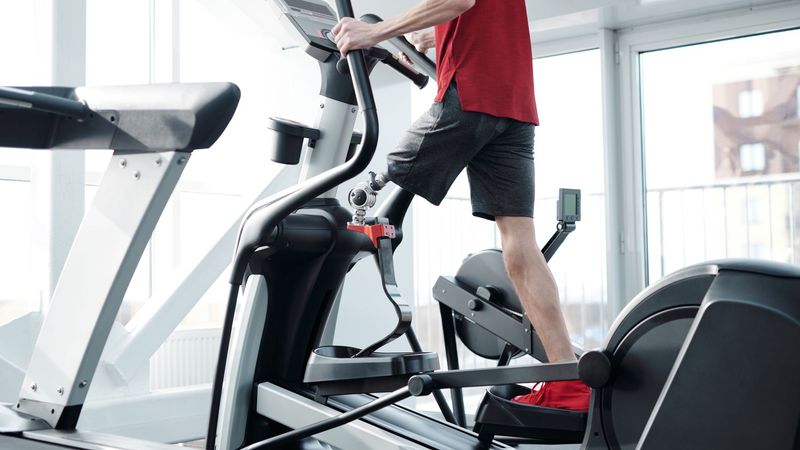
Comparing a seated rower with standing cardio? See how ellipticals qualify for HSA/FSA. Our broader workout equipment guide covers the rest of a home gym.
How Much Can You Save on a Rowing Machine?
Using HSA/FSA funds can save you up to 30% through the accounts' tax advantages. For an illustrative $1,000 rowing machine, a combined rate near 30% means $300 you keep, bringing the effective cost to $700.
That combined rate can include federal income tax, state income tax and payroll tax savings where applicable. Each table cell is the example purchase price multiplied by the combined rate above it.
| Example rowing machine price | Savings at 20% combined | Savings at 25% combined | Savings at 30% combined |
|---|---|---|---|
| $500 | $100 | $125 | $150 |
| $1,000 | $200 | $250 | $300 |
| $2,000 | $400 | $500 | $600 |
These prices illustrate the math; they are not current offers. The retailer still charges the full price, and reimbursement comes from your own account funds. The saving comes from the tax advantages described in Publication 969. Your actual savings depend on your taxes and how you fund the account. Provider or LMN fees are separate.