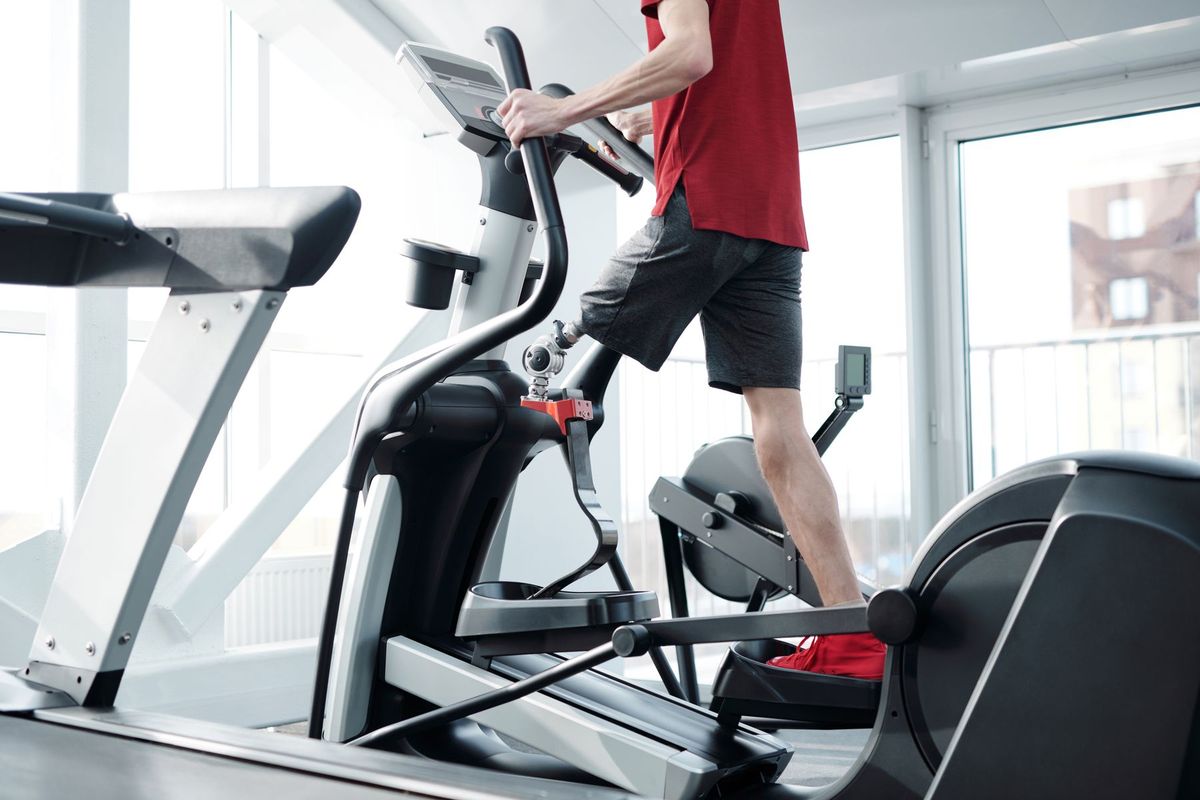
Why Ellipticals Qualify as a Medical Expense
An elliptical keeps your feet on pedals as you move through a continuous stride. That movement gives the machine a role in bone-health exercise, aerobic activity and some rehabilitation programs. The reason you use it is what turns a home-gym purchase into a medical expense.
IRS Publication 502 includes the costs of “diagnosis, cure, mitigation, treatment, or prevention of disease” in medical expenses. Its personal-use rule allows an ordinary household item when it is used primarily to prevent or alleviate a physical or mental disability or illness.
For an elliptical, a licensed provider records that medical purpose in your Letter of Medical Necessity (LMN). The letter connects elliptical exercise to your health condition, making the equipment HSA/FSA eligible. Buying one just for general fitness is a personal expense.
Which Conditions Support an Elliptical LMN?
Low bone density, type 2 diabetes and recovery after hip replacement are examples where elliptical exercise has a specific role. Your provider considers the movement you need and the kind of machine you will use. Here are some conditions a provider can document:
- Low bone density, including osteoporosis. Standing on an elliptical makes the exercise weight-bearing: you move against gravity while upright. The Bone Health & Osteoporosis Foundation specifically lists “Elliptical training machines” among low-impact weight-bearing exercises that can help keep bones strong. NIAMS calls exercise an important part of osteoporosis treatment and advises people with osteoporosis to avoid high-impact exercise. This is a reason for a standing trainer, rather than seated pedaling beneath a desk.
- Type 2 diabetes. An elliptical offers another way to stay active when walking is uncomfortable. The American Diabetes Association names an elliptical machine among alternatives for people whose knees hurt when they walk. In a diabetes activity plan, that gives you an indoor option for the movement your provider recommends.
- Recovery after hip replacement. Elliptical training has been studied alongside postoperative physiotherapy. A 50-person randomized trial in the Journal of Physical Therapy Science found greater walking speed, stride length and knee-extensor strength when elliptical exercise, rather than a walking program, was added to conventional physiotherapy. Your rehabilitation team can guide when to start and how to use it during recovery.
- High blood pressure. An elliptical also has a place in easing into and out of an exercise session. In its guide to exercise for lowering blood pressure, Cleveland Clinic names the elliptical as an option for a five- to 10-minute warm-up or cool-down. Gradual changes in activity help avoid abrupt blood-pressure changes around exercise.
Another health condition counts too when your provider connects elliptical use to preventing or managing it in your letter.
How to Get a Letter of Medical Necessity for an Elliptical
There are two ways to get your elliptical letter: through Crates or through your own doctor.
- Through Crates, typically in under 24 hours. Take a 2 to 3 minute online health assessment. A licensed provider reviews your answers and, if you qualify, issues your letter for the elliptical. Your letter stays valid for 12 months and renews each year.
- Through your own doctor, a few days to a few weeks. Book a visit and explain that you want to buy an elliptical with HSA/FSA funds. Ask your doctor to document how it helps prevent, manage, or reverse your condition. Make sure the letter is signed and dated. You may owe a copay.
How to Buy an Elliptical With HSA/FSA Funds
You can shop for your elliptical wherever you like, then get the eligible purchase amount back from your HSA or FSA. Buying and reimbursement are three steps:
- Get your Letter of Medical Necessity first. Use Crates or your own doctor, as described above, before ordering your machine.
- Buy the elliptical anywhere. Pay with your personal card, online or in a store, and keep the itemized receipt showing the elliptical and amount paid.
- Get your money back. Crates one-click reimbursement files the claim for you, or upload the letter and receipt yourself. For an HSA, keep both documents with your tax records.
Under Publication 969, an HSA covers expenses from the date your account is established, and an FSA covers purchases made during your coverage period. Our HSA vs. FSA guide explains the differences between the accounts.
Which Elliptical Machines and Brands Qualify?
Every brand's elliptical qualifies the same way: with an LMN connecting its use to your condition. The practical choice is how you want to move, how much room you have and which controls suit you. A seated pedal unit and a standing cross trainer offer different experiences.
Elliptical Types
An elliptical machine is also called an elliptical trainer or cross trainer. Under-desk versions are smaller pedal units used while seated. Compact standing models reduce the machine's footprint, while full-size trainers usually give you more room for a longer stride and moving handles.
| Elliptical type | What it is | Eligible with an LMN |
|---|---|---|
| Under-desk elliptical | A small pedal unit used from a chair | Yes |
| Compact elliptical | A smaller machine designed to take up less floor space | Yes |
| Standing elliptical trainer | Pedals and handles for upright exercise, often with adjustable resistance | Yes |
| Seated or recumbent cross trainer | An elliptical-style machine used from a seated position | Yes |
| Elliptical-stepper hybrid | A standing machine with a more vertical stepping motion | Yes |
For a standing model, stride length, pedal spacing and handle position affect how the movement feels. For an under-desk unit, the practical fit includes room for your knees beneath the desk. Compact and under-desk are overlapping descriptions, so look at whether the machine is designed for standing or seated use.
Lower impact does not mean less work for your knees. A biomechanics study of 15 men found lower loading rates during elliptical exercise than walking, alongside greater knee-extensor and hip-flexor moments. If knee symptoms affect your exercise, your provider can help choose a suitable movement and resistance.
Elliptical Brands
These brands offer different takes on the same basic movement, from a long gliding stride to a shorter stepping motion:
| Brand | Known for | Eligible with an LMN |
|---|---|---|
| NordicTrack | Standing ellipticals with adjustable incline and resistance | Yes |
| BowFlex | Max Trainer machines combining elliptical and stepper motion | Yes |
| ProForm | Home ellipticals, including the Carbon EL | Yes |
Our BowFlex HSA/FSA guide covers the Max Trainer alongside the brand's other equipment. Any other brand works the same way when its elliptical serves the condition in your LMN. If you are considering a different kind of home exercise setup, see our workout equipment eligibility guide.
How Much Can You Save on an Elliptical?
At a combined rate near 30%, a $1,000 eligible elliptical paid for with tax-advantaged funds saves about $300. That is money you keep because of the account's tax benefits. The combined rate can include federal income tax, state income tax and payroll taxes where applicable.
The prices below are examples, not current offers. Each savings column multiplies the example purchase price by the combined rate shown:
| Example elliptical price | Savings at a combined 20% rate | Savings at a combined 25% rate | Savings at a combined 30% rate |
|---|---|---|---|
| $300 | $60 | $75 | $90 |
| $1,000 | $200 | $250 | $300 |
| $2,000 | $400 | $500 | $600 |
The retailer still charges the full purchase price, and reimbursement comes from your own HSA or FSA. Your actual tax benefit depends on your taxes and contribution arrangement. Provider or LMN fees are separate.