What Is FIGS
FIGS is the brand that made scrubs something healthcare workers actually want to wear. If the nurse at your last checkup had on scrub joggers instead of baggy pants, there's a good chance they were FIGS. Most of what FIGS sells is workwear for long shifts. The part your HSA or FSA cares about is the ArchTek compression socks: they're built to do a job on your legs, and the pressure is printed right in the name.
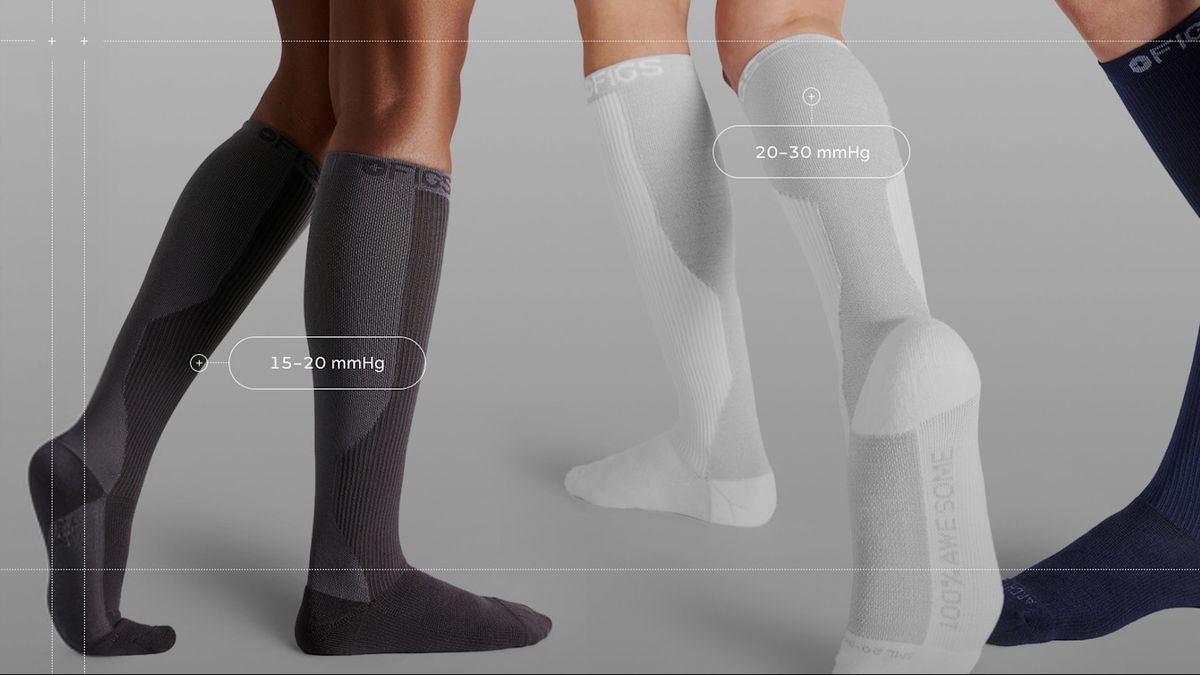
ArchTek comes in three knee-high pairs rated 15–20, 20–30 and 30–40 mmHg, at regular prices of $28, $36 and $44, plus a 15–20 mmHg crew sock for $22. That mmHg number is how hard the sock squeezes: the bigger the number, the firmer the hug on your calves. FIGS says each pair has five-layer arch support, a dedicated left and right foot, and what it calls an Achilles protection system.
When that squeeze is helping you manage a health condition, the socks count as medical care, which means you can buy them with pre-tax dollars. Our compression socks guide compares the other brands too. For FIGS | New Balance shoes, see our shoe eligibility guide.
Why FIGS Qualifies for HSA/FSA
The 15–20 and 20–30 mmHg ArchTek socks qualify once a licensed provider writes a Letter of Medical Necessity tying them to your health condition. Think of the letter as the note that turns "nice socks" into "part of my care plan."
IRS Publication 502 defines medical expenses this way:
Medical expenses are the costs of diagnosis, cure, mitigation, treatment, or prevention of disease and for the purpose of affecting any part or function of the body.
Socks are normally an everyday buy, and the IRS knows it. Publication 502's Personal Use Items entry only counts an everyday item when “it is used primarily to prevent or alleviate a physical or mental disability or illness,” and your LMN is where your provider puts that in writing. Conditions a provider might document include:
- Chronic venous insufficiency. Cleveland Clinic says compression therapy helps your veins work better and eases swelling and discomfort in your legs.
- Lymphedema in the legs. The National Cancer Institute lists compression stockings among lymphedema treatments that can help move fluid around in your legs to prevent it from building up.
- Pregnancy-related swelling. Mayo Clinic says a healthcare professional might suggest supportive tights or stockings during the day to help with ankle swelling during pregnancy.
How to Get FIGS Covered With a Letter of Medical Necessity
For the 15–20 or 20–30 mmHg ArchTek socks, you have two ways to get a Letter of Medical Necessity:
- Through Crates, typically in under 24 hours. Your online health assessment takes 2 to 3 minutes, and a licensed provider reviews your answers. If you qualify, you receive a letter for the compression socks that stays valid for 12 months and renews each year.
- Through your own doctor, a few days to a few weeks. Book a visit and say you want to use HSA/FSA funds for FIGS ArchTek compression socks. Ask them to document how compression socks help prevent, manage, or reverse your condition and to sign and date the letter. The visit may include a copay.
How to Buy FIGS With HSA/FSA Funds
For the 15–20 or 20–30 mmHg socks, buy them wherever you like, then get your HSA/FSA money back:
- Get your Letter of Medical Necessity first. Follow the steps above to get your letter through Crates or your own doctor.
- Buy the socks anywhere. Pay with your personal card, online or in store, and keep the itemized receipt showing the socks and amount paid.
- Get your funds back. Crates files the claim when you choose one-click reimbursement, or you can upload the letter and receipt yourself. With an HSA, keep the letter and itemized receipt with your tax records.
The 30–40 mmHg pair needs no letter, but that's not a reason to just grab them. Cleveland Clinic calls 30–40 mmHg medical-grade compression that “should only be used under a doctor’s supervision,” so get your clinician's OK first, then buy the socks and file your itemized receipt. Our HSA vs. FSA guide covers how the two accounts differ.
Which FIGS Products Qualify
Short version: every ArchTek compression sock qualifies. The only question is whether you need a letter first. The 15–20 and 20–30 mmHg socks do, and the 30–40 mmHg pair doesn't, the same line our FSA eligible items list draws for compression.
| FIGS ArchTek product | What it is | Regular U.S. price | HSA/FSA eligibility |
|---|---|---|---|
| Compression Socks 15–20 mmHg | Knee-high compression socks | $28 | Yes, with an LMN |
| Crew Compression Socks 15–20 mmHg | Crew-length compression socks | $22 | Yes, with an LMN |
| Compression Socks 20–30 mmHg | Knee-high compression socks | $36 | Yes, with an LMN |
| Compression Socks 30–40 mmHg | Knee-high compression socks | $44 | Yes, without an LMN |
Regular list prices checked October 18, 2026, on FIGS’ 15–20 mmHg, 20–30 mmHg, 30–40 mmHg and crew 15–20 mmHg product pages.
Shopping FIGS for your feet, not just your calves? FIGS also sells FIGS | New Balance sneakers, at regular prices from $128 (the 327 and 530) to $160 (the 9060). Like any shoe, they qualify with an LMN when a provider ties them to a foot condition such as plantar fasciitis, as our shoe guide explains.
Here's the money hack: paying with pre-tax HSA or FSA money can save you up to 30%. At a combined tax rate of 30%, that $36 pair saves you $10.80 in taxes, so it really costs you $25.20, even though FIGS still rings it up at $36. That 30% combines federal, state and payroll taxes; your own savings depend on your tax rates and how you contribute, as Publication 969 explains.