Why water flossers qualify for HSA/FSA reimbursement
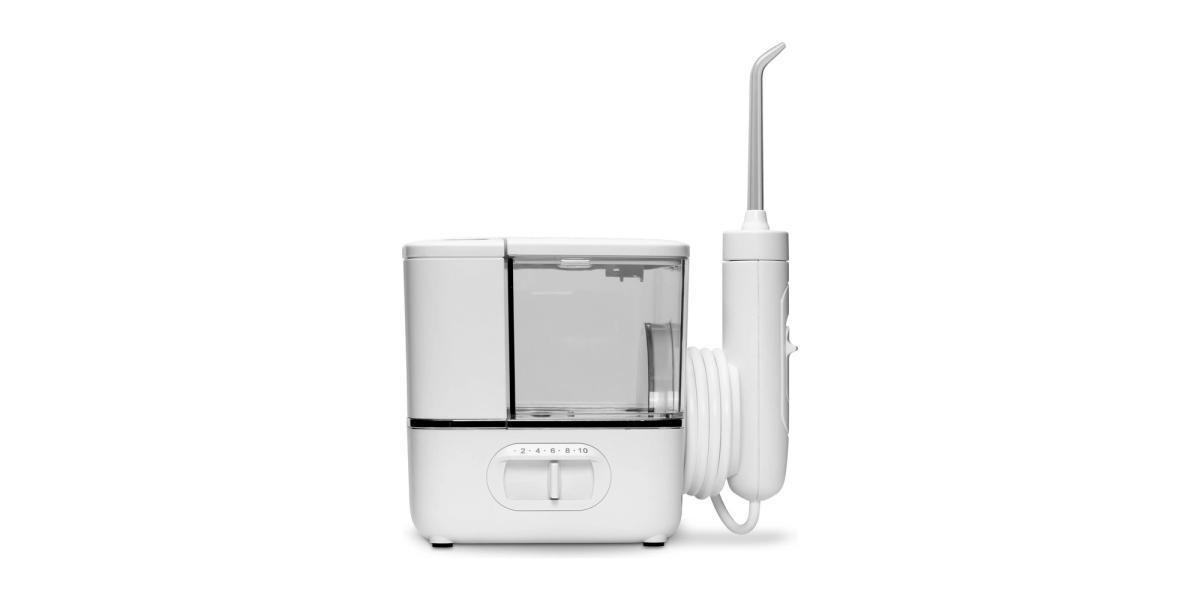
A water flosser shoots a stream of water between your teeth and along the gumline, into the spots your toothbrush misses. You'll also see it called an oral irrigator or dental water jet, and it can be part of the care plan for a specific health condition. That medical purpose lets you pay for it with your HSA or FSA.
IRS Publication 502 includes the “diagnosis, cure, mitigation, treatment, or prevention of disease” in its definition of medical expenses, along with equipment needed for that care. A Letter of Medical Necessity (LMN) is your provider's written reason for recommending a water flosser for your condition.
Say your dentist recommends one to help manage your gingivitis. Once a licensed provider puts that in your letter, the water flosser is HSA/FSA eligible. Crates can have your letter ready before you shop, and then the device and the store are your call.
Do water flossers work?
Yes, for cleaning between your teeth. A 2019 Cochrane review found that using a water flosser on top of brushing may reduce gingivitis at one month, based on four trials with 380 adults.
The American Dental Association says water flossers can be useful when other cleaning tools are difficult to handle. It adds that people “with braces, bridges and other dental work” may find that a water flosser “helps them reach every nook and cranny.”
Which health conditions qualify for a water flosser LMN?
Gingivitis and periodontitis are common reasons a water flosser becomes part of your dental care. It has other medical uses too, like flushing out tonsil stones and managing inflammation around a dental implant. Below are some of the common conditions your provider can document, and how the water flosser helps with each:
- Gingivitis: This gum inflammation is the main condition studied in the Cochrane review of interdental cleaning. A water flosser gives you a way to clean between your teeth along with brushing, even around braces or bridges where string floss gets awkward.
- Periodontitis: Mayo Clinic's periodontitis guidance lists daily cleaning between the teeth among its steps to reduce or prevent this gum disease, and it names water flossers as one way to do that cleaning.
- Tonsil stones: These are small deposits that collect in your tonsils, and a stream of water can knock them loose. Cleveland Clinic lists a water pick as an option for flushing out tonsil stones, giving a provider a specific medical use to document.
- Peri-implant mucositis: This is inflammation in the soft tissue around a dental implant. A 2025 systematic review in BDJ Open found that oral irrigation with toothbrushing improved plaque removal and control of inflammation around implants compared with brushing alone.
Your dentist or doctor can also document a water flosser's role for a condition not listed here, and the purchase is eligible just the same.
How to get a Letter of Medical Necessity for a water flosser
A Letter of Medical Necessity for a water flosser can come from two places:
- Through Crates, typically in under 24 hours. You'll spend 2 to 3 minutes completing the online health assessment. A licensed provider reviews it, and if you qualify, your letter is issued for the water flosser. Your letter lasts 12 months and renews annually.
- Through your own doctor or dentist, a few days to a few weeks. Book a visit, say you want to buy a water flosser with HSA/FSA funds, and ask them to document how it helps prevent, manage, or reverse your condition. They'll put it in a signed, dated letter. A copay may apply.
How to buy a water flosser with HSA/FSA funds
Buy your water flosser at Amazon, Walmart, or any other retailer, then get your HSA/FSA funds back:
- Get your LMN first. Either route above works, Crates or your doctor or dentist.
- Buy the water flosser anywhere. Use your personal card to buy online or in store, then save the itemized receipt showing the water flosser and amount paid.
- Get your funds back. Choose one-click reimbursement and Crates files the claim for you, or upload the letter and receipt yourself. If you're using an HSA, save the letter and receipt with your tax records.
Publication 969 explains the timing: an HSA covers purchases made after the account was opened, and an FSA covers purchases within its coverage period. See how the two accounts differ in our HSA vs. FSA guide.
Which water flossers are HSA/FSA eligible?
Every type and brand of water flosser is eligible once your LMN documents its medical purpose. Cordless and countertop models work the same way, with a water reservoir feeding a tip that aims the stream. The main difference is where the reservoir sits.
| Water flosser type | What it is | HSA/FSA eligibility |
|---|---|---|
| Cordless or portable | A handheld unit with a built-in reservoir, powered by rechargeable or replaceable batteries | Yes, with an LMN |
| Countertop | A separate reservoir and base connected to a handheld tip by a hose | Yes, with an LMN |
A cordless model keeps the handle and reservoir together in one piece. A countertop model leaves the reservoir by the sink, and you just hold the smaller wand.
Water-flosser brands
| Brand | Known for | Eligible with an LMN |
|---|---|---|
| Waterpik | Countertop and cordless water flossers | Yes |
Our Waterpik HSA/FSA guide walks through that brand's models. The same rule applies to every other brand. Want an electric toothbrush to go with it? Our electric toothbrush HSA/FSA guide covers that purchase.
How much can you save on a water flosser?
Buy a $100 water flosser with pre-tax HSA or FSA dollars and you save about $30 when taxes would otherwise take 30% of that money. That rate can mix federal and state income tax with payroll taxes. The store still charges $100; you save because the money you pay with is tax-advantaged.
Each column multiplies the purchase price by the illustrated tax rate:
| Example purchase price | Savings at 20% combined rate | Savings at 25% combined rate | Savings at 30% combined rate |
|---|---|---|---|
| $50 | $10 | $12.50 | $15 |
| $100 | $20 | $25 | $30 |
| $150 | $30 | $37.50 | $45 |
These are example prices to show the math, not offers or store discounts. Publication 969 describes the tax advantages; your actual savings depend on your tax rates and how you fund the account. Provider or LMN fees are separate.