Why electric toothbrushes can qualify
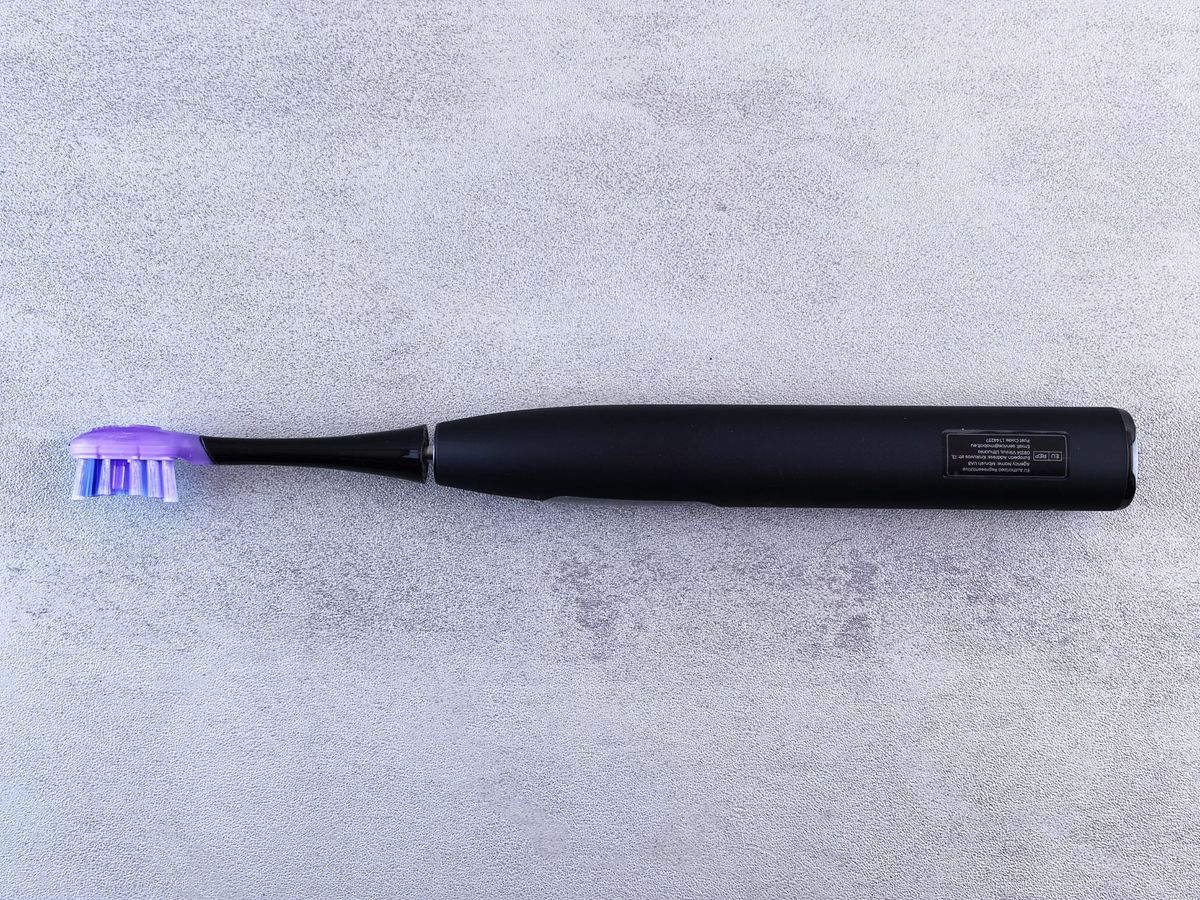
An electric toothbrush can serve a specific medical purpose when a provider recommends it for a condition such as gingivitis. A Letter of Medical Necessity (LMN) records that purpose and explains why this device belongs in your care plan. A recommendation to brush every day, by itself, does not make an ordinary hygiene purchase a medical expense.
IRS Publication 502 includes costs for “diagnosis, cure, mitigation, treatment, or prevention of disease” in its medical-expense definition. Its personal-use rule excludes ordinary purchases while preserving an exception for items used primarily to prevent or alleviate illness or disability. That medical-purpose distinction is the basis for the LMN route.
Do electric toothbrushes work better for gum health?
Yes, on average. A Cochrane review pooled 51 trials involving 4,624 participants and found moderate-quality evidence that powered brushes reduce plaque and gingivitis more than manual brushing. The authors noted that the clinical importance of the difference is unclear. Your dentist can help match the brush to your gum health, dexterity and ability to reach each tooth.
Health conditions that can support an LMN
A useful letter connects your condition to a specific brushing need. Conditions that can support one include:
- Gingivitis. When plaque-related gum inflammation is the concern, consistent plaque removal gives the electric brush a defined role. The Cochrane review’s gingivitis findings support this mechanism.
- Periodontitis. Home cleaning supports ongoing periodontal care. The National Institute of Dental and Craniofacial Research explains how plaque and tartar contribute to gum disease and why brushing, interdental cleaning and professional care matter. A letter can connect the powered brush to your periodontal-care plan without claiming it restores lost tissue.
- Arthritis affecting hand movement. A painful grip or restricted movement can make thorough brushing difficult. The American Dental Association describes an electric toothbrush with a wide, grippable handle as an accommodation for lost mobility. The purpose is making oral care manageable, not changing the arthritis itself.
- Parkinson’s disease affecting brushing. Tremor and movement difficulties can interfere with daily oral care. The Parkinson’s Foundation suggests an electric toothbrush to reduce the hand movements required. Your provider can document that functional need and whether you need help with brushing.
How to get your Letter of Medical Necessity
Ask for a letter that explains the connection between your condition and the brush. A generic note saying an electric toothbrush is a good idea leaves the medical purpose unclear. Useful details include:
- Your name and the specific health condition
- The electric toothbrush and any necessary replacement heads
- Why powered brushing supports your care or accommodates a physical limitation
- The recommended duration of use
- The provider’s name, signature and date
Option 1: Through Your Doctor or Dentist
If you already see a provider for your condition, they can write the letter:
- Book a visit and say you want to buy an electric toothbrush with HSA/FSA funds
- Ask them to document how it helps prevent, manage, or reverse your condition
- Make sure the letter is signed and dated
- Timeline: a few days to a few weeks, and you may owe a copay
Your dentist or periodontist is a practical starting point for a gum condition.
Option 2: Through Crates
Crates streamlines the same process online:
- Complete a short health assessment, about 2 to 3 minutes
- A licensed provider reviews it, typically within 24 to 48 hours
- If you qualify, your Letter of Medical Necessity is issued for the electric toothbrush
- Buy the electric toothbrush with your personal card at any retailer
- Use Crates one-click reimbursement to get your HSA/FSA funds back
- Your LMN stays valid for 12 months and renews each year
You do not need a pharmacy prescription; the letter documents the medical purpose.
How to buy an electric toothbrush with HSA/FSA funds
Crates keeps this to three steps: get your letter, buy the electric toothbrush you want, and get your HSA/FSA funds back.
- Get your LMN. Through your doctor or dentist, or through Crates, as described above.
- Buy the toothbrush anywhere. Pay with your personal card at any retailer, online or in store, and keep the itemized receipt showing the brush, any replacement heads and the amount paid.
- Get your funds back. Use Crates one-click reimbursement to file the claim for you, or submit the letter and receipt to your administrator yourself. For an HSA, keep both with your tax records.
IRS Publication 969 explains the different recordkeeping and reimbursement rules. HSA expenses must arise after the account is established; FSAs have plan-year and filing deadlines. Our HSA vs. FSA guide explains how those account differences affect a purchase.
Brands and features to compare
The brand on the toothbrush never decides eligibility; the Letter of Medical Necessity does. Every electric toothbrush brand people ask about is HSA and FSA eligible with a letter for a qualifying condition.
| Brand | Known for | Eligible with an LMN |
|---|---|---|
| Philips Sonicare | Sonic toothbrushes | Yes |
| Oral-B | Round oscillating and rotating heads | Yes |
| quip | Sonic and oscillating toothbrush options | Yes |
| autobrush | U-shaped powered brushes | Yes |
Philips and Oral-B describe their current brushing technologies and pressure-feedback options. quip’s toothbrush range includes sonic and oscillating designs; autobrush uses a U-shaped format.
| Feature or design | What to discuss with your provider |
|---|---|
| Sonic or oscillating head | Which shape and motion you can use comfortably and thoroughly |
| Wide handle and simple controls | Whether grip and buttons suit limited hand movement |
| Pressure feedback | Whether a reminder to ease off would help your brushing technique |
| Compatible replacement heads | Whether suitable soft heads are easy to find and replace |
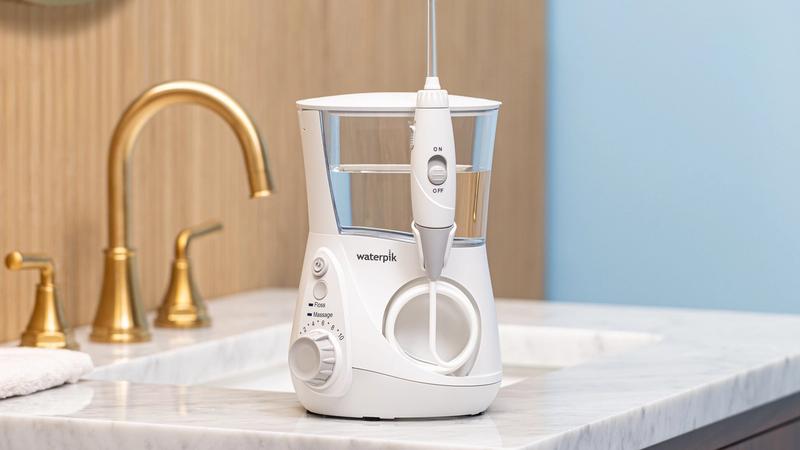
The ADA’s toothbrush guidance recommends soft bristles. Choose features that help you follow your dental-care instructions, then buy through the retailer you prefer. For a water flosser, see our Waterpik HSA/FSA guide.
How much HSA/FSA savings can add up to
For an illustrative $100 qualifying purchase, a combined rate near 30% means about $30 in tax savings. The reimbursement uses your own account funds; the savings come from their tax advantages. Your actual result depends on your income-tax rates and how you fund the account.
Each column multiplies the purchase price by the illustrated tax rate:
| Electric toothbrush purchase | Price | 22% bracket | 32% bracket | 37% bracket |
|---|---|---|---|---|
| Lower-cost brush example | $50 | $11 | $16 | $18.50 |
| Midrange brush example | $100 | $22 | $32 | $37 |
| Higher-cost brush example | $200 | $44 | $64 | $74 |
The prices are illustrations, not current offers. Publication 969 describes the accounts’ tax advantages; payroll savings depend on the contribution arrangement, and state tax rules vary.