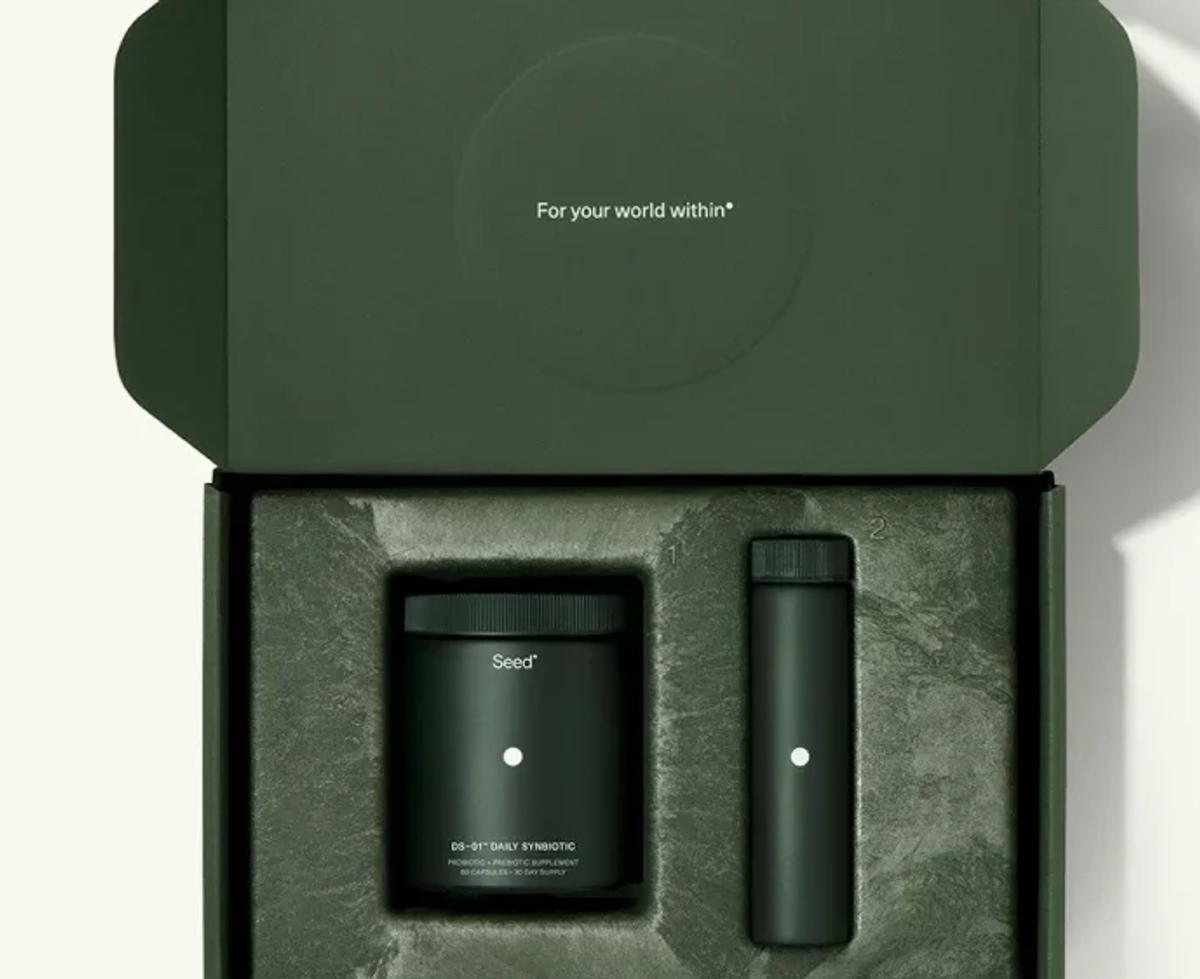
What is Seed
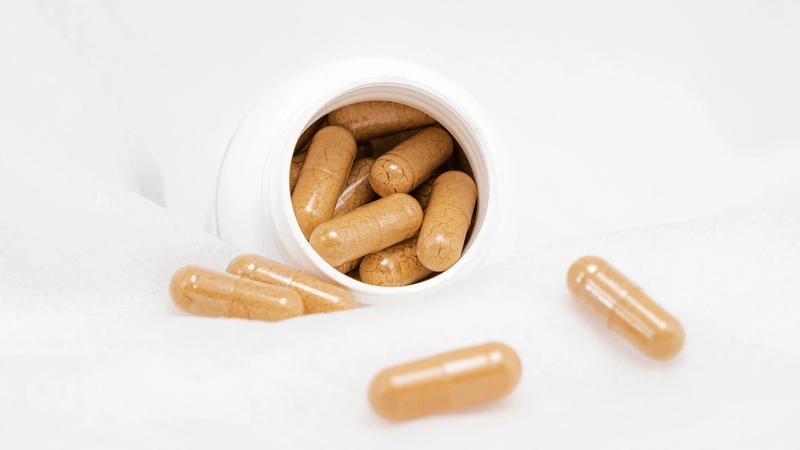
Seed is the microbiome science company that basically reinvented probiotics from the ground up and made every other probiotic brand look like they’re stuck in 2005. Think precision microbiome science meets sleek design, backed by actual clinical trials instead of marketing fluff. Their flagship DS-01 Daily Synbiotic isn’t just another probiotic; it’s a 24-strain powerhouse that combines probiotics and prebiotics in a patented capsule-in-capsule design that actually survives your stomach acid.
Founded by scientists who were frustrated with the Wild West probiotic industry, Seed partners with world-renowned researchers and has their products in clinical trials with major institutions. The DS-01 contains 53.6 billion AFU (Active Fluorescent Units), a more accurate measure than the industry-standard CFU, and targets everything from digestive health to skin health to immune function. Research on multi-strain probiotics suggests they can support gut function and overall health outcomes. What sets Seed apart? They use strain-specific research, meaning each of their 24 strains has clinical backing for specific health benefits. Plus, their sustainable packaging and commitment to transparency makes them the kind of company you actually want to support.
Why Seed Qualifies for HSA/FSA Eligibility
According to IRS regulations, probiotics can qualify as eligible medical expenses with a Letter of Medical Necessity under specific circumstances outlined in Publication 502.
IRS Publication 502 states that medical expenses are “the costs of diagnosis, cure, mitigation, treatment, or prevention of disease and for the purpose of affecting any part or function of the body,” but “must be primarily to alleviate or prevent a physical or mental disability or illness.”
This means Seed probiotics can qualify for HSA/FSA reimbursement for preventing, managing, or reversing:
- Immune system deficiencies – A meta-analysis in the British Journal of Nutrition found that probiotic supplementation enhances immune function and reduces the incidence and duration of respiratory infections by up to 47%.
- Antibiotic-associated digestive disruption – Cochrane systematic review confirms that probiotics prevent and reverse antibiotic-associated diarrhea, with multi-strain formulations showing the strongest protective effects.
Skin conditions linked to gut health – Some research suggests probiotic supplementation may help support skin conditions like acne, eczema, and rosacea through the gut-skin axis connection.
- Mood disorders related to gut-brain axis – Research published in Gastroenterology demonstrates that probiotics influence the gut-brain axis and can help manage symptoms of anxiety and depression by modulating neurotransmitter production.
The key requirement is that your healthcare provider must document the probiotics as medically necessary for preventing, managing, or reversing your specific health condition – not just for general wellness. This documentation comes in the form of a Letter of Medical Necessity (LMN).
How to Assess Your HSA/FSA Eligibility For Seed
Traditional Route: Schedule an appointment with your primary care physician, discuss your digestive health conditions and probiotic needs, and request a Letter of Medical Necessity if probiotics are recommended as part of your care plan. This typically requires an office visit, potential wait times, and can cost $50-100+ depending on your insurance.
Faster, Smarter Route: Use Crates Health to get your Letter of Medical Necessity online in just a few minutes. Our platform connects you with licensed healthcare providers who can evaluate your conditions remotely and issue the appropriate documentation if you qualify. No office visits, no waiting weeks for appointments, and no surprise medical bills.