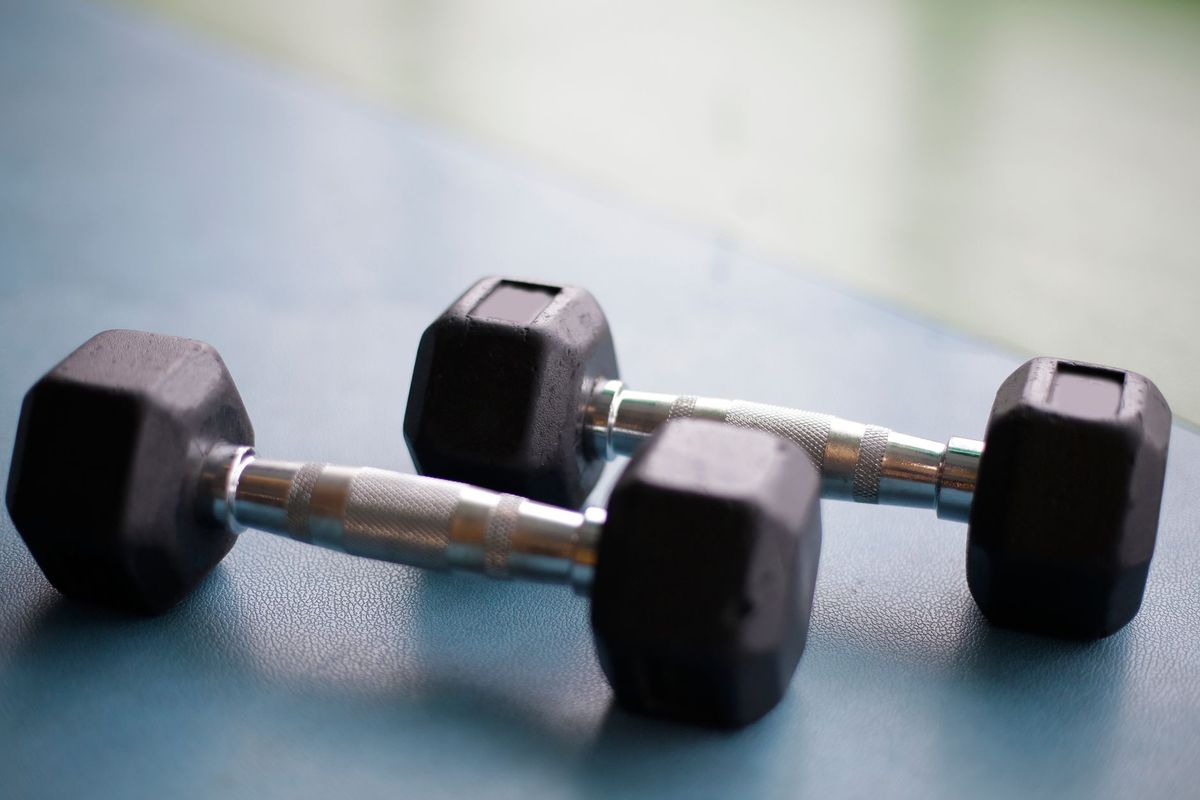
Why weights qualify for HSA/FSA reimbursement
The medical purpose of your strength training is what makes the purchase eligible. IRS Publication 502 defines medical expenses around the “diagnosis, cure, mitigation, treatment, or prevention of disease” and includes equipment used for that care. Free weights used to manage a specific condition fit that medical-purpose framework.
A Letter of Medical Necessity (LMN) connects the weights to your condition and explains how using them helps. For example, a provider can recommend resistance training with dumbbells to help manage osteoporosis. The letter documents that purpose for your purchase, whether you choose a simple pair of hand weights or an adjustable set.
Get the letter before you buy. Crates helps you put it in place, then you can choose the weights and retailer that work for you. This guide focuses on free weights: dumbbells, kettlebells, barbells and weight sets within the broader workout-equipment category.
What conditions qualify weights for HSA/FSA?
Weights provide resistance your muscles work against. That makes them useful in care plans addressing bone strength, blood glucose, joint function and muscle loss. Your provider connects that function to your specific condition in the LMN, including the type of weights and how you will use them.
- Osteoporosis: Loading muscles and bones through strength training helps maintain bone density. Mayo Clinic includes free weights in its strength-training guidance for osteoporosis, so your provider can match a dumbbell or other free-weight routine to your bone health and ability.
- Type 2 diabetes: Weight training can form part of the physical activity plan you use to manage blood glucose. NIDDK's diabetes guidance describes the blood-glucose benefits of physical activity and includes lifting weights among its recommended strength-training activities.
- Obesity: Free weights build and maintain muscle as part of a weight-management plan. NIDDK explains that physical activity combined with healthy eating helps control weight and describes free weights and hand weights as ways to do strength training.
- Knee or hip osteoarthritis: Strengthening the muscles around affected joints can help with pain and everyday movement. A 2024 systematic review of 27 studies involving 1,712 people with knee or hip osteoarthritis found that resistance training improved pain, muscle strength and physical function.
- High blood pressure: Repeated resistance exercise can help manage resting blood pressure. A 2023 meta-analysis of 24 studies in older adults with elevated blood pressure found reductions in systolic and diastolic pressure with dynamic resistance training.
- Sarcopenia: This condition involves loss of muscle strength and mass, making progressive resistance exercise relevant to care. A review of 42 trials in older adults with sarcopenia found that resistance exercise improved quality of life, while programs combining resistance with balance or aerobic exercise improved several measures of physical function.
How to get a Letter of Medical Necessity for weights
You have two ways to get a Letter of Medical Necessity for weights:
- Through Crates, typically in under 24 hours. After you complete the online health assessment in 2 to 3 minutes, a licensed provider reviews it and issues your letter for the weights if you qualify. Your letter renews each year and stays valid for 12 months at a time.
- Through your own doctor, a few days to a few weeks. Book a visit with the provider you see for your condition, say you want to buy weights with HSA/FSA funds, and ask for a signed, dated letter explaining how they help prevent, manage, or reverse it. The appointment can include a copay.
How to buy weights with your HSA or FSA
Buy the kettlebell, dumbbells, or weight set in your care plan wherever you like, then get your money back:
- Get your LMN first. Get it through Crates or your own doctor, using either route above, before you buy.
- Buy the weights anywhere. Pay with your personal card, online or in a store, and keep the itemized receipt showing the equipment, purchase date and amount paid. For a pair or set, save the full product description so the receipt shows what was included.
- Get your funds back. Crates can file the claim for you with one-click reimbursement, or you can upload the letter and receipt yourself. For an HSA, keep both with your tax records; you can reimburse yourself from the account.
Publication 969 explains the account rules: HSA expenses must come after the account was established, and FSA expenses must fall within your coverage period. Our HSA vs. FSA guide explains how the accounts differ.
Which weights and dumbbells are HSA/FSA eligible?
The letter and documented medical purpose decide eligibility across brands and types. Choose equipment that fits the strength-training plan your provider recommends, including the starting weight, grip and room you have available.
Types of free weights
Fixed dumbbells, adjustable dumbbells and kettlebells all provide resistance, but they differ in how you hold them and change the load. Barbells and plate sets give you another way to increase resistance over time.
| Type | What it offers | What to look at when choosing |
|---|---|---|
| Fixed dumbbells | A separate hand weight at each weight level | Grip shape, individual weight and whether the listing is for one dumbbell or a pair |
| Adjustable dumbbells | Several weight settings in one compact set | Starting load, increments and how the adjustment mechanism works |
| Kettlebells | A weight with a handle above it | Handle size, grip comfort and the weight your routine calls for |
| Barbells and plates | A bar loaded with separate weight plates | Bar weight, plate compatibility and space for the planned movements |
| Weight sets | Multiple weights sold together | The actual pieces and weight range included, rather than the total set weight alone |
The number on a listing can describe one weight, a pair or the whole set. For example, two 20-pound dumbbells may be advertised as a 40-pound set. Reading that detail helps you buy the load your provider recommends and keep a receipt that clearly identifies the equipment.
If you are comparing loose weights with a connected strength-training system, our Tonal HSA/FSA guide covers that system separately.
Weight brands that qualify with an LMN
These brands offer free weights that qualify when your LMN documents their use for your condition. You can choose the brand and retailer that suit your plan.
| Brand | Known for | Eligible with an LMN |
|---|---|---|
| Rogue Fitness | Dumbbells, barbells, plates and kettlebells | Yes |
| BowFlex | Adjustable dumbbells | Yes |
| Nike Strength | Dumbbells, kettlebells and weight plates | Yes |
| PowerBlock | Adjustable dumbbells | Yes |
Our Rogue Fitness HSA/FSA guide covers that brand in more detail. Other brands follow the same medical-purpose rule: your provider documents the weights you need, and you keep the letter with the purchase receipt.
How much can you save on weights?
A $300 weight purchase paid with eligible pre-tax funds saves about $90 at a combined rate near 30%. That combined rate can include federal income tax, state income tax and payroll taxes where applicable. The retailer still charges $300; the savings come from the taxes avoided on the money used to pay for the weights.
Each column multiplies the purchase price by the illustrated tax rate:
| Example weight purchase | Savings at 20% combined rate | Savings at 30% combined rate | Savings at 40% combined rate |
|---|---|---|---|
| $100 | $20 | $30 | $40 |
| $300 | $60 | $90 | $120 |
| $600 | $120 | $180 | $240 |
| $1,000 | $200 | $300 | $400 |
These are illustrative purchase amounts, not current product prices or retailer discounts. Publication 969 describes the accounts' tax advantages; your actual benefit depends on your taxes and how you contribute. Provider or LMN fees are separate.