What Is Rogue Fitness
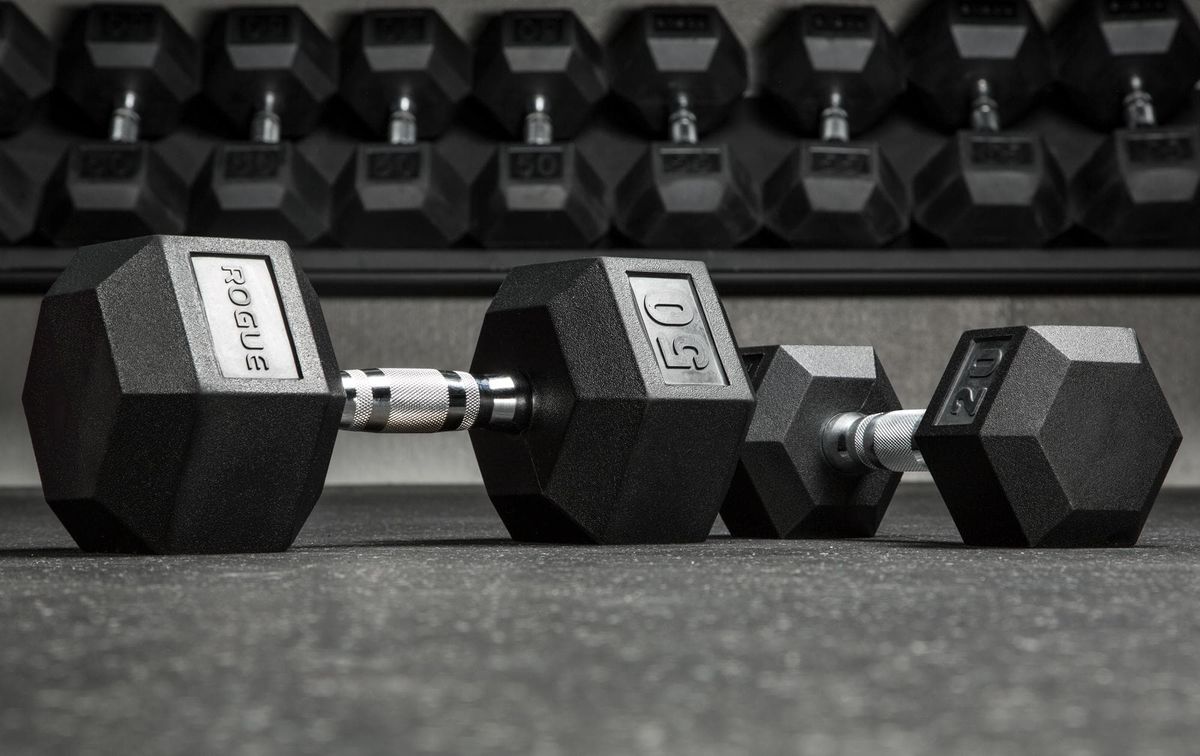
Rogue Fitness makes strength equipment for home gyms, training facilities and competition floors. Picture a barbell resting on a steel squat stand, a stack of plates beside it and rubber hex dumbbells lined up along the wall. Those are the core pieces this guide covers.
The range runs from individual dumbbell pairs to a full lifting setup. Rogue's 10 lb dumbbell pair lists for $49.50; its Ohio Bar in Black Zinc lists for $305. A barbell adds resistance with separate weight plates, while a bench supports seated or lying exercises and a squat stand holds the bar between lifts. The Ohio Bar itself weighs 20 kg, so choosing equipment starts with the movements and loads in your routine.
That routine can also have a medical purpose. A provider can connect strength training to a specific condition and document the equipment you need in a Letter of Medical Necessity.
Why Rogue Fitness Qualifies for HSA/FSA
Rogue strength equipment qualifies when its purpose is medical care for a specific condition, documented in an LMN. IRS Publication 502 includes “diagnosis, cure, mitigation, treatment, or prevention of disease” in its definition of medical expenses. A licensed provider connects your Rogue equipment to your condition in your letter, and that is what makes it HSA/FSA eligible.
Here are six conditions that can provide that connection:
- Obesity. Resistance exercise can be part of an obesity treatment plan. A review of 114 trials involving 4,184 people with overweight or obesity found that resistance training alone reduced body fat and increased lean mass compared with no training.
- Type 2 diabetes. The National Institute of Diabetes and Digestive and Kidney Diseases includes weightlifting in its physical-activity guidance for diabetes and lists lower blood glucose among the benefits of physical activity. Your letter can document strength training within your diabetes care plan.
- Osteoporosis. The National Institute of Arthritis and Musculoskeletal and Skin Diseases recommends resistance exercise, including free weights, for bone health. A provider can select the loads and movements appropriate for your bones and document the equipment for that routine.
- Sarcopenia. This condition involves loss of muscle strength and mass. A review of 42 trials in older people with sarcopenia found that resistance-exercise programs improved quality of life. A documented strength routine can use progressively adjusted weights.
- Osteoarthritis. Strengthening the muscles around affected joints helps support and protect them. Mayo Clinic's arthritis exercise guidance includes hand weights as one way to build that strength, with exercises chosen for the joints involved.
- High blood pressure. Mayo Clinic's blood-pressure guidance includes strength training at least twice weekly alongside aerobic activity. Your provider can connect resistance equipment to that broader blood-pressure management plan.
How to Get Rogue Fitness Covered With a Letter of Medical Necessity
For Rogue strength equipment, a Letter of Medical Necessity comes one of two ways:
- Through Crates, typically in under 24 hours. It starts with an online health assessment that takes 2 to 3 minutes. A licensed provider reviews it, and if you qualify, your letter is issued for the equipment. The letter is good for 12 months and renews each year.
- Through your own doctor, a few days to a few weeks. Book a visit and explain that you want to use HSA/FSA funds for strength equipment. Ask your doctor for a signed, dated letter explaining how strength equipment helps prevent, manage, or reverse your condition. The visit may carry a copay.
How to Buy Rogue Fitness With HSA/FSA Funds
Buy your Rogue equipment wherever you like, then get your HSA or FSA funds back:
- Get your Letter of Medical Necessity first. You can get the letter for your Rogue equipment from Crates or your own doctor.
- Buy your Rogue equipment anywhere. Pay with your personal card, online or in store, and keep the itemized receipt showing the equipment and amount paid.
- Get your funds back. Choose one-click reimbursement to have Crates file the claim, or upload the letter and receipt yourself. For HSA purchases, save the letter and receipt alongside your tax records.
Which Rogue Fitness Products Qualify
Rogue dumbbells, barbells, benches and squat stands qualify with an LMN when they serve the documented strength-training purpose. Your letter connects the equipment to your condition across models and price points.
| Rogue product | Regular list price | HSA/FSA eligibility |
|---|---|---|
| Rogue Dumbbells, 10 lb pair | $49.50 | Yes, with an LMN |
| The Ohio Bar, Black Zinc | $305 | Yes, with an LMN |
| Rogue Flat Utility Bench 2.0 | $195 | Yes, with an LMN |
| SML-2 Rogue 90-inch Monster Lite Squat Stand | $525 | Yes, with an LMN |
Regular prices checked on Rogue's own site October 18, 2026, before tax and shipping. These are individual product prices, not a complete home-gym package.
For the broader free-weight category, see how weights and dumbbells qualify for HSA/FSA.