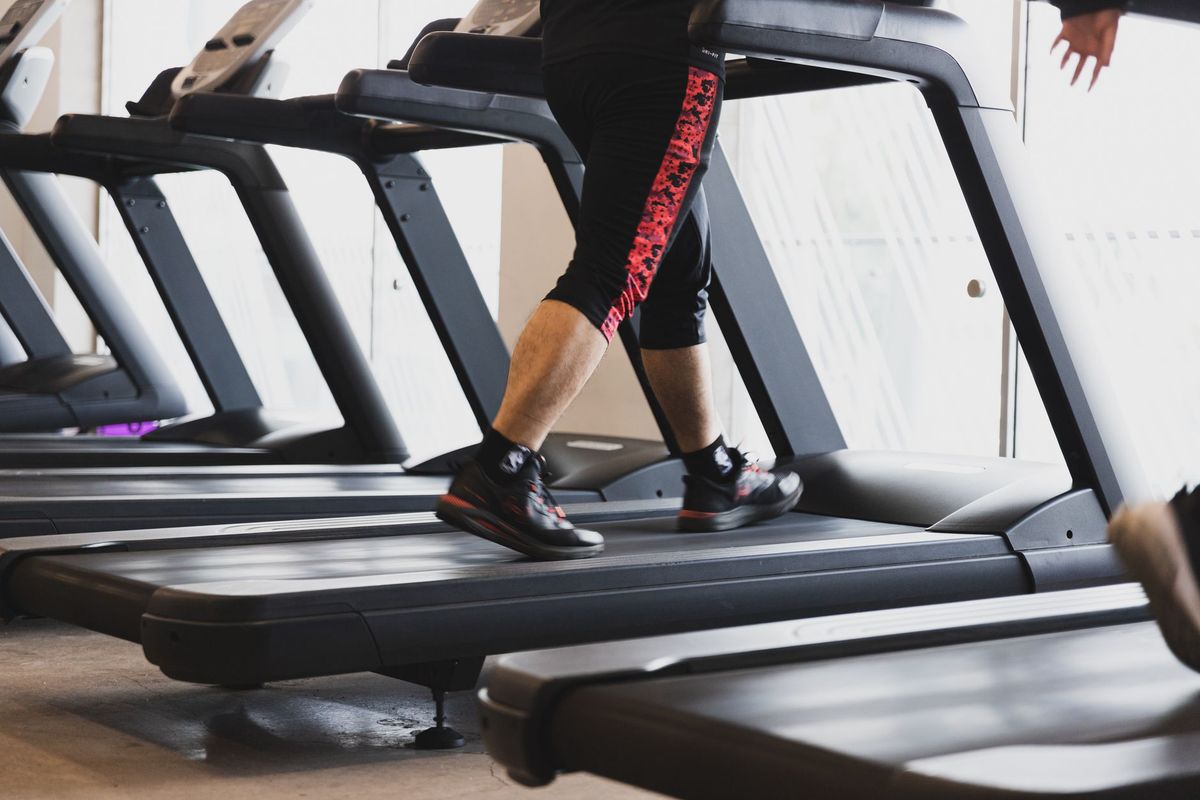
Why a treadmill qualifies as a medical expense
A treadmill puts a walking or running routine within reach at home, with a pace you control and no dependence on the weather. When that routine helps prevent or manage a specific health condition, the treadmill has a medical purpose that a provider can document.
IRS Publication 502 defines medical expenses to include the “diagnosis, cure, mitigation, treatment, or prevention of disease”. A Letter of Medical Necessity connects the treadmill to your condition and explains how you will use it. A treadmill bought for general fitness is a personal expense; the documented medical purpose establishes HSA/FSA eligibility.
That purpose can apply to a folding treadmill in a small apartment or a full-size running machine.
Conditions that support a treadmill LMN
Your provider connects the activity you will do on the treadmill to the condition you are managing. These are seven examples with a medical basis, from regular aerobic exercise to more specific walking rehabilitation:
- Obesity. Walking or running provides aerobic activity that can form part of a weight-management plan. A review of 116 trials involving 6,880 adults with overweight or obesity found that aerobic exercise reduced body weight, waist circumference and body fat; a home treadmill makes that activity available on a regular schedule.
- Type 2 diabetes. A treadmill gives you a way to repeat the walking routine your provider recommends for blood sugar management. A systematic review of exercise and glucose control found that exercise improved glycemic control in people with type 2 diabetes, giving the letter a specific purpose beyond staying active.
- Hypertension, or high blood pressure. Walking is an accessible form of aerobic exercise for a blood-pressure management plan. A Cochrane review of walking for hypertension found reductions in blood pressure; your letter can explain how regular treadmill sessions fit the walking routine your provider recommends.
- Depression. Walking or jogging can be part of a plan to manage depressive symptoms. A BMJ review of exercise for depression found that walking or jogging reduced symptoms, and a treadmill offers an indoor setting for the activity at a pace and frequency agreed with your provider.
- Knee osteoarthritis. A treadmill allows a consistent walking pace for an exercise plan focused on knee pain and function. A BMJ review of exercise for knee osteoarthritis found that aerobic exercise improved pain, function and gait; your provider can help choose a comfortable pace and session length.
- Peripheral artery disease. Regular walking can relieve the leg symptoms of this circulation condition and improve how far you can walk. NHLBI notes that treadmill walking is the most common exercise in PAD exercise programs; a home treadmill lets you keep up the walking routine your care team sets.
- Parkinson’s disease affecting walking. Treadmill training gives rehabilitation teams a way to work on gait. A Cochrane review of 18 trials found improvements in walking speed and stride length; a home treadmill gives you a place to keep up the walking practice your care team recommends.
How to get a Letter of Medical Necessity for a treadmill
You have two ways to get a Letter of Medical Necessity for your treadmill:
- Through Crates, typically in under 24 hours. You can complete the online health assessment in 2 to 3 minutes. A licensed provider reviews it, and if you qualify, your letter is issued for the treadmill. Each letter is valid for 12 months and renews each year.
- Through your own doctor, a few days to a few weeks. Book a visit and say you want to buy a treadmill with HSA/FSA funds. Ask your doctor to document how it helps prevent, manage, or reverse your condition. Make sure the letter comes back signed and dated. You may owe a copay for the visit.
How to buy a treadmill with HSA/FSA funds
Buying your treadmill and getting your funds back takes three steps:
- Get your Letter of Medical Necessity first. Go through Crates or your own doctor, so your letter is ready before you buy the treadmill.
- Buy the treadmill anywhere. Pay with your personal card, online or in a store. Keep the itemized receipt showing the treadmill, purchase date, retailer and amount paid. For an online order, save the invoice rather than relying on a card statement that lists just the store.
- Get your funds back. Use Crates one-click reimbursement to have us file the claim, or upload the letter and receipt yourself. If you pay from an HSA, hold on to both for your tax records.
The difference between an HSA and an FSA mainly affects the account and timing side of that process. An HSA expense must occur after the account is established; an FSA expense must fall within your coverage period, with the claim filed by its deadline. Publication 969 explains those account rules.
Which treadmill brands and types are eligible?
Your letter and documented medical purpose decide eligibility. The brand you choose can reflect the deck, controls and walking or running experience that fit your plan.
| Brand | Known for | Eligible with an LMN |
|---|---|---|
| Peloton | Connected treadmills with instructor-led workouts | Yes |
| NordicTrack | Incline treadmills and connected workouts | Yes |
| Horizon | Home walking and running treadmills | Yes |
If you are considering a Tread or Tread+, the Peloton HSA/FSA guide covers that brand in detail. Other treadmill brands follow the same medical-purpose standard, so you can choose a machine from your preferred retailer.
The treadmill type helps you narrow the practical features you need:
| Treadmill type | What to look for |
|---|---|
| Folding or compact | A deck you can store and enough floor space to use it comfortably |
| Incline | Adjustable elevation that suits the walking or running plan your provider recommends |
| Walking | Comfortable low-speed controls, a suitable belt and the handrail support you need |
| Running | A belt length, speed range and weight capacity suited to your stride and use |
These features can overlap: a folding treadmill may also have incline settings and a running deck. Start with how you will use the machine, then compare the features that make that routine practical at home. Under-desk treadmills have their own walking-pad eligibility guide.
How much can you save on a treadmill?
At a combined rate near 30%, paying for a $1,200 eligible treadmill with tax-advantaged funds represents about $360 in avoided taxes. That combined rate can include federal and state income taxes, plus payroll taxes where your contribution arrangement allows. The retailer still charges $1,200; reimbursement returns money from your own HSA or FSA.
These are illustrative purchase prices, not current offers. Each column multiplies the purchase price by the illustrated tax rate:
| Example treadmill price | Taxes avoided at 20% | Taxes avoided at 30% |
|---|---|---|
| $500 | $100 | $150 |
| $1,200 | $240 | $360 |
| $2,000 | $400 | $600 |
| $3,000 | $600 | $900 |
Your actual benefit depends on your taxes and how contributions enter the account. Provider or LMN fees are separate from these examples.