Why Scales Are HSA/FSA Eligible
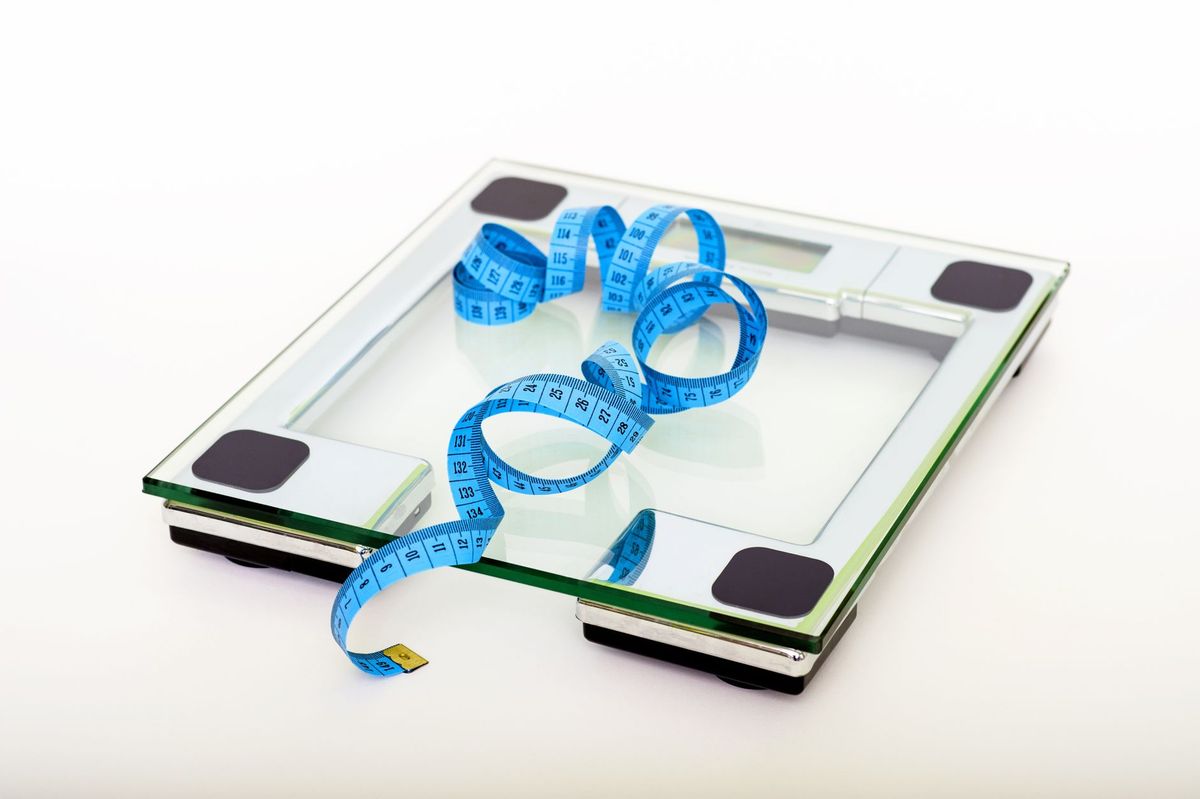
A bathroom scale sounds ordinary, but for some health conditions it's a real medical tool: it tracks the weight changes your provider needs to follow. For heart failure, it's how you watch for fluid building up. For obesity, it's how you follow your progress through a weight-management program.
IRS Publication 502 defines medical expenses around the “diagnosis, cure, mitigation, treatment, or prevention of disease.” It includes equipment used for medical care. A Letter of Medical Necessity is where a provider explains how your scale helps prevent or manage a health condition.
Our HSA/FSA eligible-items list includes both bathroom scales for a documented health condition and body-composition scales with an LMN. Old-school dial or a scale that syncs to an app, both qualify the same way: through the health reason your letter documents.
Health Conditions That Qualify for a Scale
A provider can document plenty of health conditions for a scale. A few common ones are below, and they all come down to tracking your weight as part of your care. Fluid checks call for a plain weight reading; body-fat and muscle estimates are for something else.
- Heart failure: Daily weighing helps track fluid retention. MedlinePlus recommends weighing every morning and contacting your provider for a gain of more than 2 to 3 pounds in a day or 5 pounds in a week. A basic weight-only bathroom scale gives you the number that routine uses.
- Obesity: Weighing yourself can be part of a weight-management plan. A systematic review of self-weighing interventions found that programs combining self-weighing with other weight-management strategies produced greater weight loss than minimal care.
- Kidney failure treated with home hemodialysis: Your weight helps set how much fluid each treatment removes. The National Kidney Foundation lists weighing yourself and figuring out how much fluid to remove from your blood among the skills home-hemodialysis training covers.
- Ascites: Fluid collecting in the abdomen can change body weight. Cleveland Clinic lists weighing yourself daily among the steps that help manage ascites. It also says to call your provider if you gain more than two pounds a day for three days in a row.
- Single ventricle heart defects in infants: Between a baby's first and second heart surgeries, caregivers track weight at home. An American Heart Association scientific statement calls home infant scales a standard of that monitoring and lists a digital infant scale as essential equipment.
This isn't a complete list. If you need to watch your weight for another health condition, your provider can document that in your LMN, and the scale qualifies on that basis.
How to Get a Letter of Medical Necessity for a Scale
There are two ways to get a Letter of Medical Necessity for your scale: Crates can handle it online, or the doctor who already manages your condition can write it.
- Through Crates, typically in under 24 hours. First comes a 2 to 3 minute online health assessment. A licensed provider reviews it, and if you qualify, your letter is issued for the scale. You can use the LMN for 12 months; it renews each year.
- Through your own doctor, a few days to a few weeks. Book a visit, say you want to buy a scale with HSA/FSA funds, and ask your doctor to document how weight monitoring helps prevent, manage, or reverse your health condition. They give you a signed, dated letter, and you may owe a copay for the visit.
How to Buy a Scale With HSA/FSA Funds
Whether it's a basic bathroom scale or one that saves your readings in an app, buying it takes the same three steps:
- Get your Letter of Medical Necessity first. Get it through Crates or your own doctor, the two routes above, before you buy.
- Buy your scale anywhere. Pay with a personal card, online or in store, and keep the itemized receipt showing the item and amount paid.
- Get your money back. Choose one-click reimbursement and Crates will file your claim, or upload the letter and receipt yourself; if you used an HSA for the scale, keep both documents with your tax records.
Which Types and Brands of Scales Qualify?
Every consumer scale here, from weight-only to body-composition, is eligible once your letter documents its medical purpose. A connected model saves readings to an app; a basic bathroom scale gives you the simple weight reading your care plan uses.
| Scale type | What it is | HSA/FSA eligibility |
|---|---|---|
| Smart scale | A connected scale that saves weight readings to an app, often with body-composition estimates | Yes, with an LMN |
| Bathroom scale | A digital or analog scale that measures body weight | Yes, with an LMN |
| Consumer body-composition scale | A scale that uses bioelectrical impedance to estimate measures such as body fat and muscle mass | Yes, with an LMN |
| Home baby scale | A smaller scale for recording an infant's weight during medical monitoring | Yes, with an LMN |
Lots of scales are both smart and body-composition, so don't sweat the labels. What matters is the reading you need: your weight, a weight history in an app, or body-composition estimates for your care plan.
These models come up most in scale eligibility searches:
| Brand and model | What it is | HSA/FSA eligibility |
|---|---|---|
| Garmin Index S2 | A Wi-Fi scale that records weight and body-composition estimates in Garmin Connect | Yes, with an LMN |
| Withings Body Smart | A connected scale for weight and body-composition estimates | Yes, with an LMN |
| Hume Health Body Pod | A body-composition scale with a handheld sensor bar | Yes, with an LMN |
For heart-failure weight checks, a plain weight-only scale gives you the reading you need. Body-composition models pass a small electric current through your body. If you have a pacemaker or other internal medical device, their makers say not to use the Garmin Index S2 or the Withings Body Smart.
Our Hume Health HSA/FSA guide covers the Body Pod in more detail. Any other brand follows the same rule: with an LMN covering its medical purpose, the scale is eligible.
Shopping for a wrist-worn tracker too? Our fitness trackers HSA/FSA guide covers wearables.
How Much Can You Save on a Scale?
Even a scale gets cheaper with pre-tax money: HSA or FSA funds can cut what it really costs you by up to 30%. Pay for a $100 scale that way and you keep about $30 when your taxes add up to around 30%. That can include federal and state income tax plus payroll taxes.
The prices below are examples, not offers. Each column is the price times that tax rate:
| Example scale purchase | Tax savings at 20% | Tax savings at 30% |
|---|---|---|
| $30 | $6 | $9 |
| $100 | $20 | $30 |
| $200 | $40 | $60 |
You won't see a discount at checkout; the tax break on your account is where the savings come from. Reimbursement just pays the eligible amount back to you from your account. Publication 969 explains the tax treatment, and our HSA vs. FSA guide compares the accounts. Your actual savings depend on your tax rates and how you fund the account. Provider or LMN fees are separate.