Why Melatonin Qualifies for HSA/FSA Spending
Melatonin is a supplement, and the IRS has a specific rule for when supplements count as medical care. A Letter of Medical Necessity is how you meet it. In it, your provider explains how melatonin helps with the condition you're managing.
IRS Publication 502 defines medical expenses to include the “diagnosis, cure, mitigation, treatment, or prevention of disease.” Its Nutritional Supplements entry counts supplements as medical expenses when they are recommended by a medical practitioner as treatment for a specific medical condition diagnosed by a physician. Your LMN is that recommendation.
In the United States, melatonin gummies, tablets and liquids are dietary supplements, as the National Center for Complementary and Integrative Health explains. Have your letter before you shop, so the purchase has its medical purpose on paper from the start.
Shopping for more than melatonin? Our vitamins and supplements guide covers the rest of the supplement aisle. For how the two accounts handle qualified expenses, see our HSA vs. FSA guide.
Does Melatonin Work for Sleep?
Yes, for specific sleep-timing problems. Your brain makes melatonin in response to darkness, and the hormone helps time your internal 24-hour clock. NCCIH says melatonin supplements may help with jet lag and delayed sleep-wake phase disorder, along with some sleep disorders in children.
So melatonin is really a timing tool. Shifting a late sleep schedule and getting over jet lag are specific medical uses a provider can write into your letter. Here's where the clinical guidance backs that up.
Which Conditions Qualify for a Melatonin LMN?
Melatonin isn't only for jet lag. Three circadian rhythm sleep-wake disorders, sleep problems in children with ADHD or autism, and anxiety before surgery also have NCCIH or American Academy of Sleep Medicine guidance behind its use. Here are some of the common ones a provider can document in your LMN:
- Jet lag: Cross time zones and your body clock can fall out of step with local time, which can throw off your sleep and leave you foggy during the day. NCCIH reports that melatonin may improve jet-lag symptoms after eastward or westward flights.
- Sleep problems in children with ADHD: The relevant use is helping a child who has trouble falling asleep. NCCIH reports earlier sleep onset and longer total sleep in studies of children with ADHD who took melatonin.
- Sleep problems in children with autism: Difficulty falling asleep can also affect children with autism. NCCIH's review of the evidence describes improvements in falling asleep and total sleep time with melatonin in this population.
- Delayed sleep-wake phase disorder: With this sleep-timing disorder, you fall asleep and wake up much later than your schedule needs. The American Academy of Sleep Medicine's circadian-rhythm guideline suggests strategically timed melatonin for adults and children with this disorder.
- Non-24-hour sleep-wake rhythm disorder in blind adults: The sleep schedule drifts because the internal clock is not synchronized to a 24-hour day. AASM suggests strategically timed melatonin for blind adults with this disorder to help synchronize that rhythm.
- Irregular sleep-wake rhythm disorder in children with neurological disorders: Sleep can be spread across the day and night rather than organized into a main nighttime period. AASM suggests strategically timed melatonin for children and adolescents in this group.
- Anxiety before surgery: This one has nothing to do with your sleep schedule. NCCIH reports that it appears helpful for reducing anxiety before surgery, with studies finding less anxiety than with a placebo.
Your condition doesn't have to be on this list. If your LMN explains how melatonin helps with another health condition you're managing, it's eligible the same way.
How to Get a Letter of Medical Necessity for Melatonin
You've got two ways to get a Letter of Medical Necessity for melatonin:
- Through Crates, typically in under 24 hours. You'll spend 2 to 3 minutes filling out the online health assessment for your letter. A licensed provider reviews it and, if you qualify, issues your letter for melatonin. Your letter is good for 12 months, then renews each year.
- Through your own doctor, a few days to a few weeks. Book a visit and explain that you want to use HSA/FSA funds for melatonin. Have your doctor explain in a signed and dated letter how melatonin helps prevent, manage, or reverse your condition. Getting the letter at a doctor's visit can mean paying a copay.
If it's for your kid's sleep, start with their own provider.
How to Buy Melatonin With HSA/FSA Funds
Shop online or in store, wherever you already buy your melatonin, then get your money back:
- Get your LMN first. Use either route above, Crates or your own doctor, so your letter documents melatonin's role in your health condition before you buy.
- Buy melatonin anywhere. Pay with your personal card and keep the itemized receipt showing the product and amount paid.
- Get your funds back. Let Crates file the claim for you with one-click reimbursement, or upload the letter and receipt yourself. For an HSA purchase, save your melatonin receipt and the letter together with your tax records.
Which Types of Melatonin Are HSA/FSA Eligible?
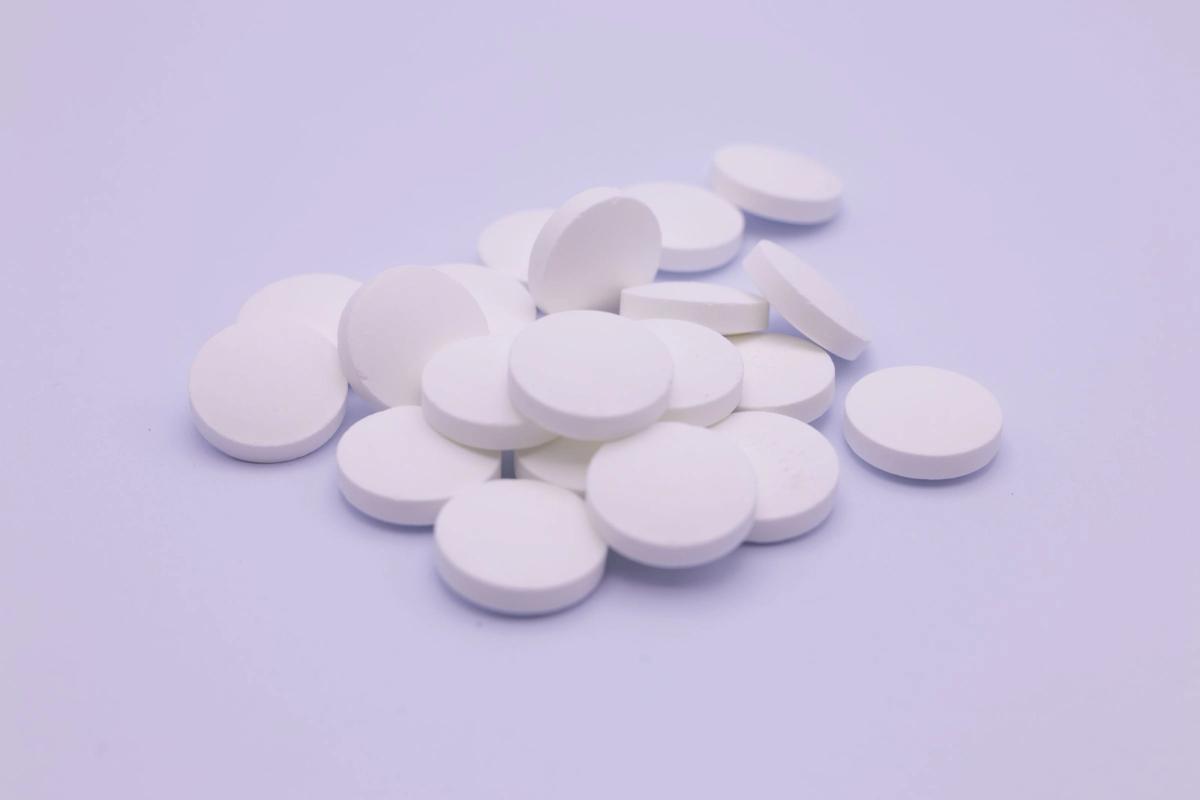
Gummies, kids' melatonin, tablets, liquids and capsules all play by the same rule: eligible with an LMN. Your letter connects melatonin to your health condition, so the form and the brand are up to you.
| Melatonin type | What it is | HSA/FSA eligibility |
|---|---|---|
| Gummies | Chewable melatonin supplements | Yes, with an LMN |
| Kids' melatonin | Children's supplements sold as gummies, chewables or liquids | Yes, with an LMN |
| Tablets | Melatonin in swallowable or fast-dissolving tablets | Yes, with an LMN |
| Liquid | Melatonin supplements in a liquid form | Yes, with an LMN |
| Capsules | Melatonin enclosed in a capsule | Yes, with an LMN |
For another supplement people search for alongside melatonin, our magnesium eligibility guide explains its own LMN route.
How Much Can You Save on Melatonin?
If melatonin is a regular buy for you, the tax break adds up, with savings of up to 30% when you pay with HSA or FSA money. A $20 purchase saves you about $6 in taxes if your combined rate is near 30%. That rate can include federal, state and payroll taxes, depending on how you contribute.
These are example prices, not current offers. Each column is just the price times the tax rate:
| Example melatonin purchase | Tax savings at 20% | Tax savings at 30% |
|---|---|---|
| $10 | $2 | $3 |
| $20 | $4 | $6 |
| $30 | $6 | $9 |
The store still charges full price. You get your own HSA or FSA money back, and the account's tax break is where you come out ahead. How much depends on your tax rates and how you contribute, and any provider or LMN fee is a separate cost.