Why LED face masks qualify for HSA/FSA
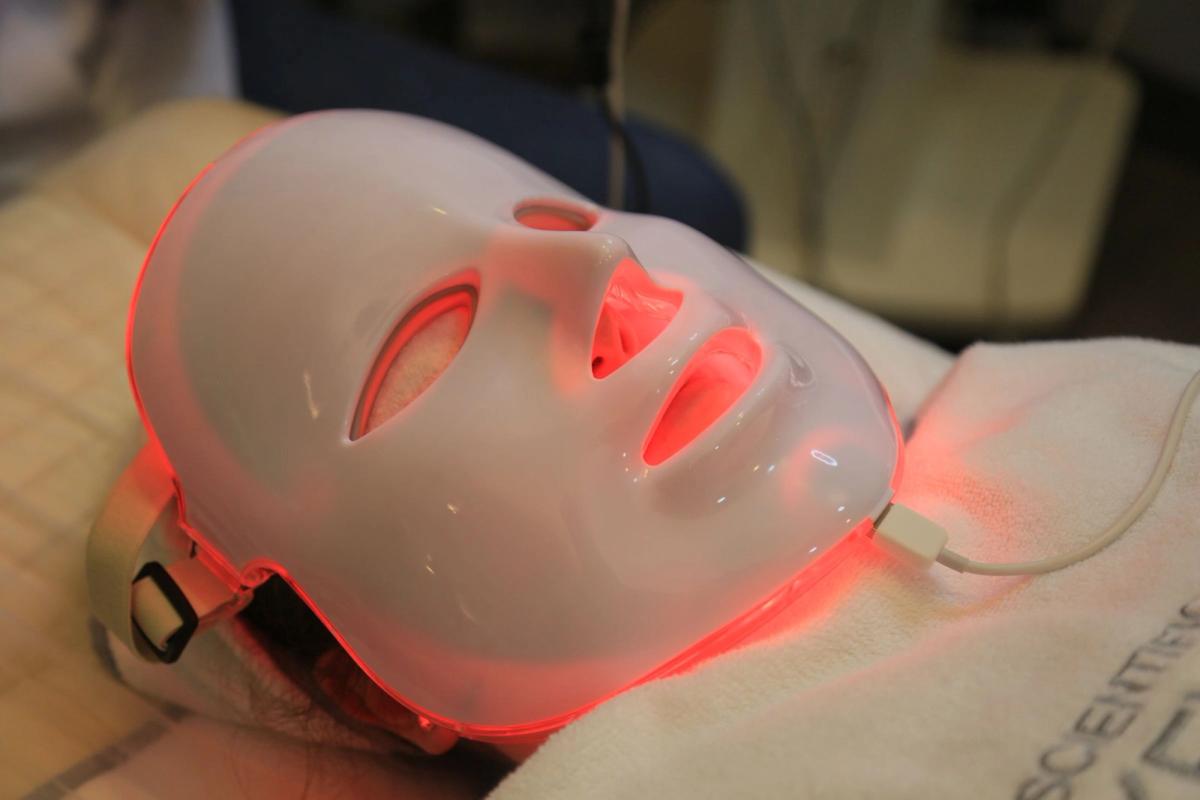
An LED face mask can belong in your medical-care spending when a provider recommends it for a specific skin condition. Your Letter of Medical Necessity (LMN) records the connection: the condition you are managing, the mask recommended, and how its light settings support your care.
IRS Publication 502 defines medical expenses to include the “diagnosis, cure, mitigation, treatment, or prevention of disease.” A licensed provider connects the LED mask to your condition in your Letter of Medical Necessity, and that is what makes it HSA/FSA eligible. A mask bought for a beauty routine is a personal purchase; one your provider recommends for a condition is a medical one.
This guide covers masks worn over the face, including red light therapy masks and masks that combine red and blue LEDs. For panels, wands and devices used on other parts of the body, see our red light therapy HSA/FSA guide.
Do LED face masks work?
Yes, home LED devices can help manage mild to moderate acne. A 2025 systematic review in JAMA Dermatology combined six randomized trials involving 216 participants and found greater improvement in acne lesions with red, blue or combined LED devices than with the comparison groups. Improvements were generally observed after four to twelve weeks of use.
Blue light targets acne-causing bacteria, and red light helps calm inflammation, according to Cleveland Clinic. Your provider can match the mask and light mode to your condition.
Which skin conditions can support an LMN?
Conditions that can support an LED face mask letter include:
- Mild to moderate facial acne. The 2025 home-device review found that red, blue and combined LED devices improved acne lesions more than the comparison treatments. Your letter can name the acne mode your provider recommends.
- Rosacea. Cleveland Clinic lists rosacea among LED therapy's uses, and red light may help calm the inflammation behind its redness. Your letter can name the mask and routine your provider recommends.
- Facial eczema, including atopic dermatitis. Cleveland Clinic includes eczema among LED therapy's uses, and red light may help calm inflamed skin. Your letter can name the mask and routine your provider recommends.
- Facial psoriasis. Cleveland Clinic lists psoriasis among the conditions LED light therapy can help treat. Your letter can name the mask and routine your provider recommends.
How to get your LMN for an LED face mask
Getting a Letter of Medical Necessity for an LED face mask takes one of two paths:
- Through Crates, typically in under 24 hours. The online health assessment takes 2 to 3 minutes. A licensed provider reviews it and, if you qualify, issues your letter for the LED face mask. Your letter is good for 12 months and renews each year.
- Through your own doctor, a few days to a few weeks. Book a visit, say you want to buy an LED face mask with HSA/FSA funds, and ask them to document how it helps prevent, manage, or reverse your condition. Ask for the letter to be signed and dated. You might pay a copay for the appointment.
Your dermatologist is a practical starting point if they already help you manage acne or another facial skin condition.
How to buy an LED face mask with HSA/FSA funds
Crates keeps this to three steps: get your letter, buy the mask you want, and get your HSA/FSA funds back.
- Get your LMN first. Choose Crates or your own doctor, the two routes above.
- Buy the mask anywhere. Pay with your personal card, online or in store, and keep the itemized receipt showing the model and amount paid.
- Get your funds back. Use Crates one-click reimbursement to have the claim filed for you, or upload the letter and receipt yourself. If you're paying from an HSA, hold on to both for your tax records.
IRS Publication 969 explains the recordkeeping rules: HSA expenses must arise after the account is established, and FSAs have plan-year and filing deadlines. Compare the accounts in our HSA vs. FSA guide.
Which LED face mask should you buy?
The brand on the mask never decides eligibility; the Letter of Medical Necessity does. Every LED face mask brand people ask about is HSA and FSA eligible with a letter for a qualifying condition.
| Brand | Known for | Eligible with an LMN |
|---|---|---|
| Omnilux | Contour and Clear face masks | Yes |
| Shark | CryoGlow mask with under-eye cooling | Yes |
| CurrentBody | Red light and blue light face-mask ranges | Yes |
| Dr. Dennis Gross | SpectraLite FaceWare Pro | Yes |
Our Shark CryoGlow HSA/FSA guide covers that mask in detail. The FDA's CryoGlow summary describes a red, blue and infrared mode for mild to moderate inflammatory acne.
The official FaceWare Pro manual describes separate red, blue and combined modes. When comparing Omnilux or CurrentBody models, check which modes the exact version offers.
Compare light modes and fit
| Mask type | What to look for |
|---|---|
| Red light or red plus near-infrared mask | A mode and intended use that match your provider's recommendation |
| Red and blue LED mask | An acne-focused mode when managing facial breakouts is the goal |
| Mask with several selectable colors | A clearly identified recommended mode and instructions for using it |
Compare the mode you need before the total number of colors. Check the strap adjustment, the areas of your face the mask covers, and the session schedule. Follow the model's eye-protection directions, check the skin conditions it warns against (Shark's CryoGlow, for one, lists eczema and psoriasis), and tell your provider about any medicines that make your skin sensitive to light.
How much can you save on an LED face mask?
Your tax rate determines the savings. At a combined rate near 30%, a hypothetical $400 mask represents about $120 in avoided taxes, for an effective after-tax cost of $280. The retailer still charges $400; the benefit comes from using tax-advantaged money.
Each column multiplies the purchase price by the illustrated tax rate:
| Illustrative mask price | Savings at a combined 20% rate | Savings at a combined 30% rate | Savings at a combined 40% rate |
|---|---|---|---|
| $200 | $40 | $60 | $80 |
| $300 | $60 | $90 | $120 |
| $400 | $80 | $120 | $160 |
| $500 | $100 | $150 | $200 |
These are example prices, not current offers. The combined rates include federal income, state income and payroll taxes. Publication 969 describes the accounts' tax advantages; your actual benefit depends on your taxes and how you contribute.