What is Fitbit
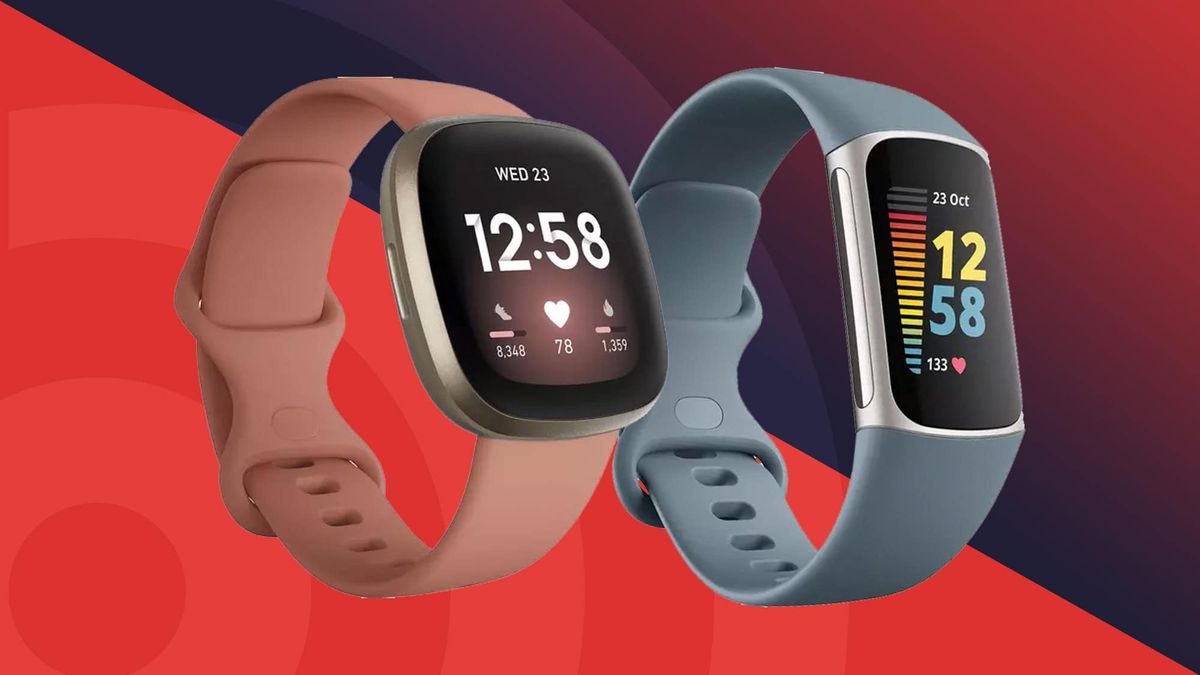
Fitbit pioneered the fitness tracker category back in 2007, and while Apple Watch and Garmin have grabbed headlines, Fitbit still makes some of the most accessible and reliable health monitoring devices on the market. Now owned by Google, Fitbit offers everything from basic activity trackers at $99 to advanced smartwatches with ECG and stress management tools at $299.
What makes Fitbit different is simplicity paired with legitimacy. You don’t need to be a serious athlete or tech enthusiast to benefit from a Fitbit. The devices just work. Automatic activity tracking, sleep stage analysis, heart rate zones, guided breathing exercises, menstrual health tracking, and smartphone notifications all in devices that last 5-7 days per charge.
The health monitoring is validated and comprehensive. Fitbit partners with major health research institutions and has enrolled millions of users in health studies. The Fitbit Heart Study, conducted with Stanford Medicine and the FDA, demonstrated that Fitbit’s irregular heart rhythm notifications could identify undiagnosed atrial fibrillation. Multiple Fitbit devices are FDA-cleared for AFib detection, making them legitimate medical devices, not just fitness gadgets. That’s exactly why Fitbit qualifies for HSA and FSA reimbursement.
Why Fitbit Qualifies for HSA/FSA Eligibility
IRS Publication 502 states that medical expenses are “the costs of diagnosis, cure, mitigation, treatment, or prevention of disease and for the purpose of affecting any part or function of the body,” but “must be primarily to alleviate or prevent a physical or mental disability or illness.”
This means Fitbit devices can qualify for HSA/FSA reimbursement when used for prevention or treatment of:
- Cardiovascular conditions – Continuous heart rate monitoring, irregular heart rhythm notifications (on Sense 2 and Charge 6), and cardio fitness score (VO2 max estimation)
- Atrial fibrillation – FDA-cleared ECG and irregular rhythm notifications on Fitbit Sense 2 and Charge 6
- Diabetes and pre-diabetes – Activity tracking for blood sugar management, exercise logging, and food tracking for metabolic health
- Sleep disorders – Detailed sleep stage tracking (light, deep, REM), Sleep Score, sleep profile analysis, and blood oxygen variation during sleep (SpO2)
- Obesity and weight management – Comprehensive calorie tracking, active zone minutes, exercise detection, and daily activity goals
- Hypertension – Stress Management Score, guided breathing sessions, heart rate variability, and activity tracking for blood pressure control
- Mental health conditions – Daily Readiness Score for stress management, mindfulness sessions, mood logging, and EDA (electrodermal activity) stress sensing on Sense 2
- Chronic conditions requiring activity monitoring – Step tracking, floors climbed, distance traveled, and exercise reminders for rehabilitation and chronic disease management
The key requirement is that your healthcare provider must document the health monitoring device as medically necessary for managing your specific health condition, not just for general wellness. This documentation comes in the form of a Letter of Medical Necessity (LMN).
How to Get Your Fitbit Approved
Traditional Route: Schedule an appointment with your primary care physician, discuss your health conditions and monitoring needs, and request a Letter of Medical Necessity if continuous health tracking is recommended as part of your treatment plan. This typically requires an office visit, potential wait times, and can cost $50-100+ depending on your insurance.
Faster, Smarter Route: Use Crates Health to get your Letter of Medical Necessity online in just a few minutes. Our platform connects you with licensed healthcare providers who can evaluate your conditions remotely and issue the appropriate documentation if you qualify. No office visits, no waiting weeks for appointments, and no surprise medical bills.
Which Fitbit Models Are HSA/FSA Eligible
Every Fitbit with health monitoring capabilities qualifies for HSA/FSA reimbursement with proper documentation. Here’s the current 2024-2025 lineup:
Current Fitbit Models
| Model | Price | Key Health Features | Best For |
|---|---|---|---|
| Fitbit Inspire 3 | $99 | Heart rate, sleep tracking, stress management, Active Zone Minutes | Budget entry to health tracking |
| Fitbit Charge 6 | $159 | ECG, irregular heart rhythm notifications, GPS, all Inspire 3 features | Best value for serious health monitoring |
| Fitbit Sense 2 | $299 | ECG, EDA stress sensor, skin temperature, all Charge 6 features | Complete stress and health management |
| Fitbit Versa 4 | $200 | All-around smartwatch, built-in GPS, sleep tracking, workout modes | Lifestyle health tracking with smart features |
Important Note: Older Fitbit models like Charge 5, Versa 3, and the original Sense also qualify for HSA/FSA if they have continuous heart rate monitoring and health tracking features.
All current models include: 24/7 heart rate tracking, sleep stage analysis with Sleep Score, Active Zone Minutes, stress management tools, automatic exercise recognition, and smartphone notifications.