What Is Club Pilates?
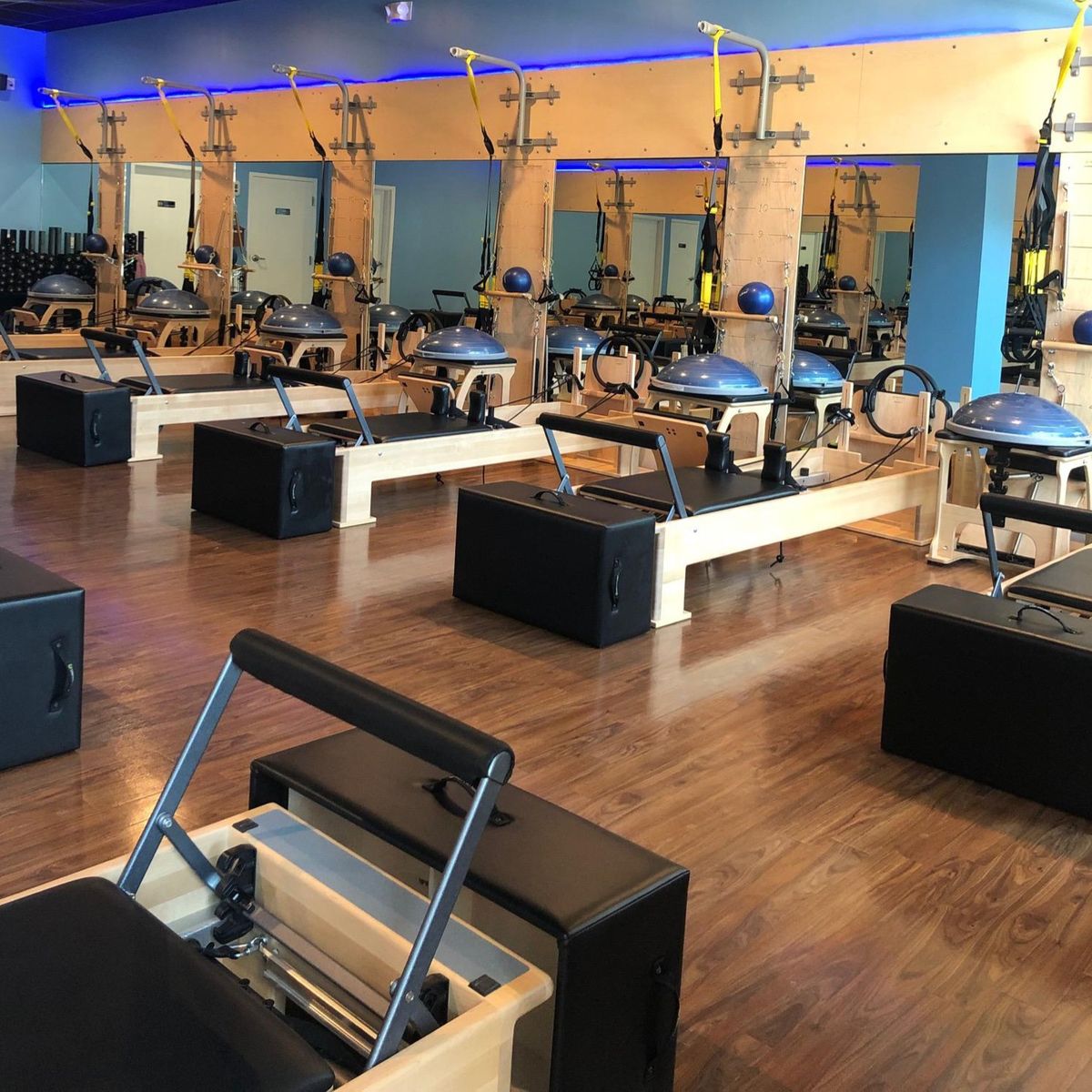
Club Pilates is the largest network of reformer-based group Pilates studios in the world, with more than 1,000 locations. Classes use spring-loaded reformer equipment that provides variable resistance, so you can control intensity and joint stress with precision that mat Pilates can't match.
The studio offers nine class formats, from a free 30-minute Intro Class through Reformer Flow, Center + Balance, Restore, and cardio-focused sessions like Cardio Sculpt. That progressive structure matters for eligibility: you can start where your body is today and advance as your condition improves, which is exactly the kind of structured, condition-focused exercise healthcare providers like to see.
Instructors complete Club Pilates' comprehensive Pilates education program (450+ hours covering anatomy, biomechanics, and exercise modification), so classes can be adapted around injuries and health conditions rather than forcing you into a one-size-fits-all workout.
Why Club Pilates Qualifies for HSA/FSA Reimbursement
The IRS doesn't care about your fitness goals. It cares about your health conditions.
According to IRS Publication 502, medical expenses include costs for "the diagnosis, cure, mitigation, treatment, or prevention of disease." Expenses that are "merely beneficial to general health" don't qualify. That creates a clear line: Club Pilates for marathon training or beach season doesn't qualify. Club Pilates recommended by a licensed provider to help you prevent, manage, or reverse a specific health condition does.
This is the same dual-use standard that applies to gym memberships, which can also qualify with proper documentation. What moves an expense from "general wellness" to "eligible" is a Letter of Medical Necessity: a licensed provider documenting that this specific exercise addresses your specific condition.
Reformer Pilates has a genuine advantage here. The spring-based resistance adjusts at every point in the movement range, so someone with arthritis or a back injury can start with minimal load and progress gradually without re-injury risk. Traditional weightlifting and high-impact cardio can aggravate the very conditions you're working on. That low-impact profile is precisely why providers are comfortable recommending reformer Pilates for the conditions below.
Medical Conditions That Qualify for Club Pilates HSA/FSA Coverage
Club Pilates can qualify as an eligible expense when reformer training addresses a specific health condition. These are the most common:
Chronic Lower Back Pain and Spinal Health
The number one qualifying condition. A Cochrane systematic review found low-to-moderate quality evidence that Pilates reduces pain and disability in people with chronic low back pain compared with minimal intervention. Core strengthening distributes spinal load more evenly, and the alignment focus works on the postural habits that feed chronic pain.
Arthritis and Joint Stiffness
The reformer's adjustable spring resistance lets you strengthen the muscles around affected joints without the impact stress that makes traditional exercise painful. That makes it a practical option for people managing osteoarthritis and rheumatoid arthritis.
Postural Dysfunction and Core Weakness
If you spend eight hours a day at a keyboard, you probably have some degree of postural dysfunction. Reformer work specifically targets the deep stabilizing muscles (transverse abdominis, internal obliques) that maintain spinal alignment and that sedentary life leaves underactive.
Osteoporosis and Bone Density Concerns
Low-impact resistance training provides the loading stimulus bones need without the joint stress that rules out higher-impact options, which is why providers recommend it as part of a bone-density management plan.
Mental Health, Balance, and Chronic Pain
Regular physical activity supports mental health, sleep, and stress management, per the CDC's physical activity guidance, and the breathing and mindfulness components of Pilates add an anxiety-management dimension. The reformer's controlled instability also improves balance and proprioception, which matters for fall risk and injury recovery. And for chronic pain conditions like fibromyalgia, the low-impact format delivers exercise benefits while avoiding the flares that high-intensity training can trigger.
How to Get Club Pilates Covered with Your HSA/FSA
The process is simpler than navigating your insurance portal. You have two paths to a Letter of Medical Necessity.
Option 1: Through Your Doctor
Schedule an appointment (typically a $50-150 copay), discuss your health condition, explain what reformer Pilates is, and request an LMN that names it. Expect one to three weeks, and double-check the letter includes every required element, because missing pieces are the top reason administrators push back.
Option 2: Through Crates Health (Recommended)
- Complete a quick health assessment online. About five minutes.
- A licensed provider reviews your information. Typically within 24-48 hours.
- If eligible, your LMN is issued. Professionally formatted with every required element.
- Pay for your membership with your personal card. Nothing changes at the studio.
- Use Crates one-click reimbursement to get your HSA/FSA funds back.
What Goes Into a Letter of Medical Necessity for Pilates
A valid LMN for Pilates includes your health condition (with its ICD-10 code), an explanation of how reformer Pilates helps you prevent, manage, or reverse that condition, a recommended frequency and duration (for example, two to three sessions weekly for 12 months), and the licensed provider's credentials and signature. The letter needs to be dated before the expenses you submit. Administrators reject letters with missing elements far more often than they reject the underlying expense, which is why a professionally formatted LMN matters.
How Much You'll Actually Save with HSA/FSA
Club Pilates pricing is set by each studio, so exact numbers vary by location. Typical published ranges look like this:
| Membership | What You Get | Typical Monthly Price* |
|---|---|---|
| 4 Classes / Month | Four credits, good for any class level | $89-129 |
| 8 Classes / Month | Eight credits, the most popular tier | $169-229 |
| Unlimited | Unlimited classes | $199-299+ |
*Prices vary by studio and market; many studios also charge a one-time enrollment fee.
The savings mechanism is simple: paying with HSA/FSA funds means paying with money that was never taxed. Depending on your combined federal, state, and FICA rate, that's a savings of up to 30%+ on every payment. At a roughly 30% combined rate, a $199 unlimited membership costs you about $60 less per month in pre-tax terms, which adds up to roughly $700 over a year of classes. Higher tax brackets save more.
What About Existing Club Pilates Members?
Already paying for Club Pilates out of pocket? Get your LMN now, because your payments from the LMN date forward become eligible. Since memberships bill monthly, your very next billing cycle can run through pre-tax funds.
For payments you already made before getting an LMN, be careful: administrators generally expect the LMN to be dated before the expense, and policies on older claims vary. Check your plan's rules rather than assuming past months can be reclaimed. The reliable move is to stop paying post-tax going forward.
Can You Buy a Pilates Reformer or Equipment with Your HSA/FSA?
Yes, the same rules extend to equipment. A home reformer, Pilates chair, or supporting equipment can qualify with an LMN that names the equipment and connects it to your health condition, exactly like class memberships. Higher-priced equipment tends to draw more administrator scrutiny, so keep your LMN and receipts together when you submit. If you split time between studio classes and a home setup, both can be covered under the same condition-based plan when your LMN documents them.
Club Pilates vs. Other Reformer Pilates Studios for HSA/FSA
Eligibility comes from your health condition and documentation, not the logo on the studio door. Club Pilates does have practical advantages: with over 1,000 studios, you can keep your routine going if you travel or relocate, the standardized instructor education means consistent modification for your condition, and nine class formats give your provider specific options to recommend.
But if you prefer Solidcore, Studio Pilates, BODYBAR, or an independent reformer studio, the same LMN route applies. Crates Health works with any qualified fitness provider, not just Club Pilates.