What is SolidCore
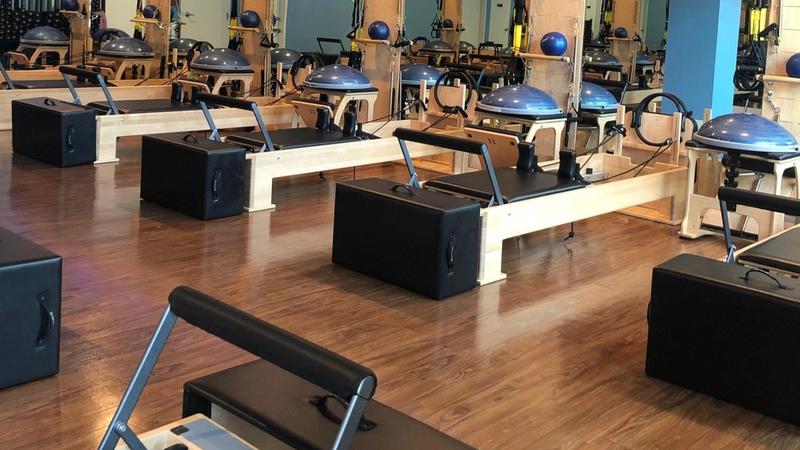
Solidcore is Pilates-inspired strength training turned up to eleven. Picture a dimly lit studio with blue neon lights, pounding music, and reformer machines that look like they belong in a sci-fi movie. This is high-intensity, low-impact strength training that’s designed to work your muscles to complete failure (yes, that’s the goal). The 50-minute classes use slow, purposeful movements on the reformer to keep your muscles under continuous tension. Our Pilates class guide covers classes beyond Solidcore.
Don’t let the “low-impact” label fool you. This workout is brutal in the best way possible. You’ll shake, you’ll sweat, and you’ll probably question your life choices around minute 30. Solidcore has built a community of people who genuinely love suffering together under those iconic blue lights. For HSA/FSA, what matters is why you’re there: strength training for a documented health condition qualifies with an LMN.
If you’d rather spread classes across several studios, ClassPass is the credit-based alternative.
Why SolidCore Qualifies for HSA/FSA Eligibility
Under IRS rules, a fitness membership like Solidcore counts as a medical expense when it’s for a specific health condition. Your Letter of Medical Necessity is where a licensed provider ties your classes to that condition, which is what your HSA or FSA needs to see.
IRS Publication 502 includes the “diagnosis, cure, mitigation, treatment, or prevention of disease” in its definition of medical care. For a gym membership, the IRS wellness FAQ gives the specific test: it qualifies “only if the membership was purchased for the sole purpose of affecting a structure or function of the body (such as a prescribed plan for physical therapy to treat an injury) or the sole purpose of treating a specific disease diagnosed by a physician (such as obesity, hypertension, or heart disease).”
Solidcore qualifies with an LMN when it helps prevent, manage, or reverse a health condition. Here are some of the common ones a provider can document:
- Chronic back pain and spinal disorders: Pilates-style strength work builds control around the spine. A Cochrane review of 10 trials involving 510 adults with chronic low back pain found low- to moderate-quality evidence that Pilates reduced pain and disability compared with minimal intervention.
- Arthritis and joint stiffness: Stronger muscles around a joint help support it. A systematic review of 19 studies in Musculoskeletal Care found exercise programs, Pilates among them, improved pain and strength in people with knee osteoarthritis.
- Osteoporosis and bone density issues: Resistance exercise can support bone density. A meta-analysis of 17 studies in postmenopausal women found improvements in bone mineral density with resistance training.
- Musculoskeletal conditions requiring physical therapy: Slow, controlled strength work can be part of a rehab plan. A review of seven studies in adults over 50 with chronic musculoskeletal conditions found Pilates safe and effective, with less back, neck and knee osteoarthritis pain.
- Balance and mobility issues: A strong trunk helps you stay steady. A review of core strength training and Pilates in older adults found early evidence of better trunk strength, balance and everyday physical function.
- Fibromyalgia and chronic pain conditions: Exercise tailored to your symptoms can help with pain. A 2025 review of 50 trials involving 3,761 people with fibromyalgia found benefits from several exercise types, including Pilates, with low or very low certainty. The right intensity matters, especially when symptoms flare.
- Depression and anxiety disorders: Structured movement can be part of a mental-health care plan. A meta-analysis of eight Pilates trials found fewer depressive and anxiety symptoms than in inactive control groups.
- Core weakness and postural problems: Core-strengthening work can help your posture. A 2024 review of 13 studies involving 783 participants found improvements in several posture measures after Pilates.
Your condition does not have to be on this list. What matters is whether the activity serves a medical purpose your healthcare provider documents. A Solidcore membership follows the same medical-purpose test as any other gym membership, with a Letter of Medical Necessity explaining how the training helps your condition.
How to Get Solidcore Covered With a Letter of Medical Necessity
You have two ways to get your letter:
- Through Crates Health, typically in under 24 hours: Take a 2-minute online health assessment. A licensed healthcare provider reviews it and, if you qualify, issues your letter for Solidcore. It stays valid for 12 months and renews each year.
- Through your own doctor, a few days to a few weeks: Book a visit, say you want to pay for Solidcore with HSA/FSA funds, and ask them to document how it helps prevent, manage, or reverse your condition. Make sure it’s signed and dated. You may owe a copay.
How to Buy Solidcore With HSA/FSA Funds
Book classes the way you normally would, pay with your own card, then get the money back from your HSA or FSA. Whether a studio takes your HSA/FSA card changes how you pay, not whether the expense qualifies.
- Get your Letter of Medical Necessity first, through Crates or your own doctor (above), so it’s in place before your next class pack or membership payment.
- Buy your classes or membership. Pay with your personal card, online or at the studio, and keep the itemized receipt showing Solidcore, what you bought and the amount paid.
- Get your money back. Crates one-click reimbursement files the claim for you, or upload the letter and receipt yourself. For an HSA, keep both with your tax records.
Buying a class pack ahead of time does not mean an FSA can reimburse future classes right away. IRS Publication 969 says health FSAs can’t make advance reimbursements of future or projected expenses. HSA expenses must be incurred after your HSA was established. Our HSA vs. FSA guide explains the account differences.
Solidcore Membership Options and Pricing
Solidcore sells single classes, class packs and monthly memberships. Prices vary by city and studio, so check your studio's booking page for the exact amount. The ranges below are Solidcore's regular prices at ten studios in six metro areas in October 2026, not new-client specials; committed memberships cost less.
| Option | What you buy | Typical price | HSA/FSA eligibility |
|---|---|---|---|
| Single class | One class | $32 to $46 | Yes, with an LMN |
| Class pack | 5 or 10 classes | $145 to $215 (5), $275 to $410 (10) | Yes, with an LMN |
| 4 classes per month | Four classes a month | About $105 to $170 a month | Yes, with an LMN |
| 8 classes per month | Eight classes a month | About $185 to $305 a month | Yes, with an LMN |
| Unlimited | Unlimited classes under the membership's terms | About $280 to $440 a month | Yes, with an LMN |
Each option qualifies the same way: an LMN documents the medical purpose, and your receipts document the expense. A bigger package isn’t more eligible than a single class. With an FSA, keep track of when you take the classes as well as when you pay.