What Is NordicTrack
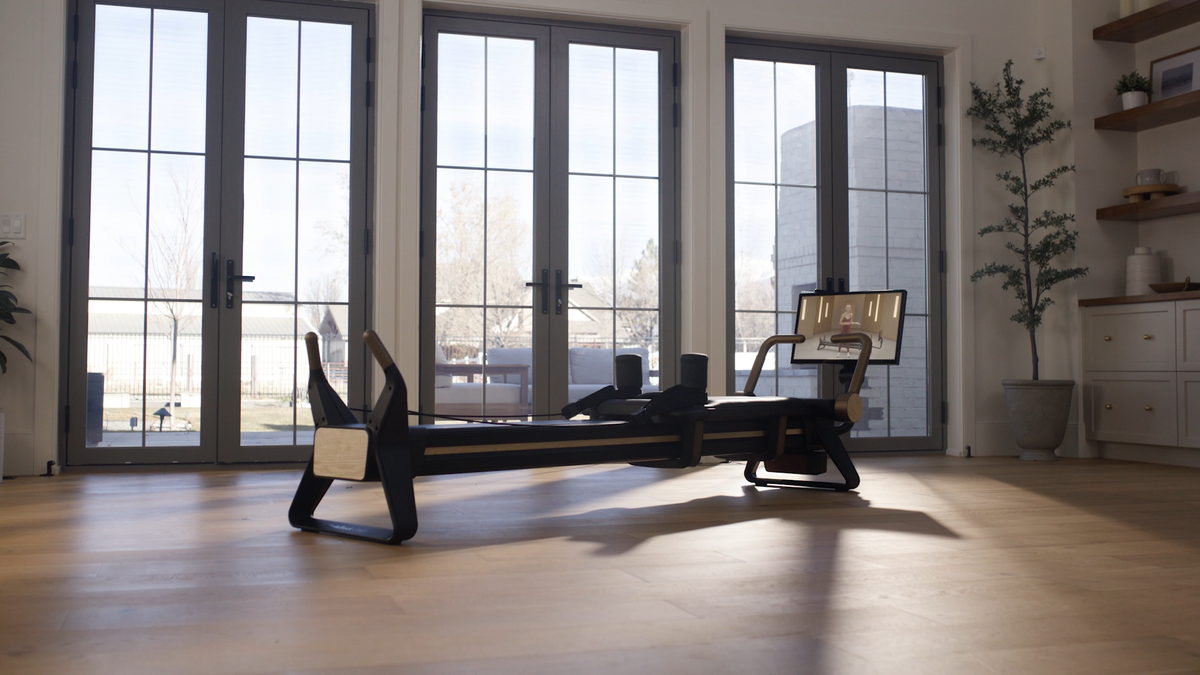
NordicTrack is the brand behind those home treadmills with a big screen, where a trainer on video can change your speed and incline for you mid-workout. Its lineup also includes bikes, ellipticals, rowers, and Pilates reformers. The Commercial 1750 treadmill lists for about $2,500, while the Ultra 1 Reformer is about $5,000.
The screen connects the equipment to iFIT, a subscription platform with instructor-led workouts. iFIT Pro runs on compatible equipment's built-in touchscreens; iFIT Train works on a phone or tablet. The Commercial 1750 includes 30 days of iFIT Pro, then renews at $39 a month.
The medical purpose comes from the activity you use it for. A walking routine to manage obesity or cycling for knee osteoarthritis gives your provider a reason to document the equipment in your care. Our workout equipment guide covers the same principle across other brands.
Why NordicTrack Qualifies for HSA/FSA
NordicTrack equipment qualifies when a licensed provider connects its use to a health condition in a Letter of Medical Necessity (LMN). The letter records the medical purpose of your exercise equipment.
IRS Publication 502 includes medical expenses for the “diagnosis, cure, mitigation, treatment, or prevention of disease.” For NordicTrack, that means exercise used primarily to address a health condition. Some of the common conditions a provider can document include:
- Obesity. NIDDK describes successful weight-loss programs as including at least 150 minutes of moderate aerobic activity each week, such as brisk walking or cycling. A treadmill or bike brings those activities indoors as part of that program.
- Type 2 diabetes. NIDDK says regular physical activity helps manage diabetes, including lowering blood glucose. Walking, cycling, or rowing gives your provider an exercise activity to connect to your diabetes care.
- Hypertension (high blood pressure). NHLBI explains that physical activity can help lower and control high blood pressure. A NordicTrack treadmill, bike, or elliptical provides a way to do that activity at home.
- Coronary heart disease. NHLBI says routine physical activity can help manage its risk factors, such as high blood pressure and high cholesterol. Your provider sets the level that's right for you, and a treadmill or bike lets you do it at home.
- Knee osteoarthritis. A systematic review in Clinical Rehabilitation found that stationary cycling reduced pain in people with knee osteoarthritis. That supports a provider-directed cycling program, with a stationary bike supplying the movement.
- Depression. NIMH lists physical activity among the things that may help and says just 30 minutes a day of walking can boost your mood. A treadmill gives you somewhere to walk in any weather.
Your provider can document another condition too when the equipment helps you prevent or manage it.
How to Get NordicTrack Covered With a Letter of Medical Necessity
You have two ways to get a letter for your NordicTrack equipment or iFIT membership:
- Through Crates, typically in under 24 hours. Take a 2-minute online health assessment. A licensed provider reviews your answers and, if you qualify, issues your letter. It stays valid for 12 months and renews each year.
- Through your own doctor, a few days to a few weeks. Book a visit and explain that you want to use HSA/FSA funds for home exercise equipment. Ask your doctor to document how aerobic or resistance exercise helps prevent, manage, or reverse your condition. Make sure the letter is signed and dated. You may owe a copay.
How to Buy NordicTrack With HSA/FSA Funds
Buy your NordicTrack wherever you like, then get your money back from your HSA or FSA:
- Get your Letter of Medical Necessity first. Use Crates or your own doctor, as explained above.
- Buy your NordicTrack anywhere. Pay with your personal card, online or in store, and keep the itemized receipt showing the machine or membership and the amount paid.
- Get your money back. Crates one-click reimbursement files the claim for you, or upload the letter and receipt yourself. For an HSA, keep both with your tax records.
For an iFIT membership paid through an FSA, claim services after they are provided. Publication 969 rules out advance reimbursement of future expenses. Our HSA vs. FSA guide explains the accounts' different spending rules.
Which NordicTrack Products Qualify
Each NordicTrack machine qualifies the same way: with an LMN connecting its use to your health condition. The model name, screen size, or price does not change that medical-purpose test. A separate iFIT membership qualifies when the letter names the service and explains its role in your care.
| Product or membership | Approximate regular U.S. price | HSA/FSA eligibility |
|---|---|---|
| Commercial 1750 Treadmill | $2,500 | Yes, with an LMN |
| X24 Bike | $2,800 | Yes, with an LMN |
| AirGlide 16 Elliptical | $2,800 | Yes, with an LMN |
| RW900 Rower | $2,800 | Yes, with an LMN |
| Ultra 1 Reformer | $5,000 | Yes, with an LMN |
| iFIT Train / Pro | $15 / $39 per month | Yes, with an LMN |
Prices were checked on NordicTrack's and iFIT's U.S. sites on November 4, 2026, before tax and shipping. Equipment prices are rounded; sale discounts and membership bundles vary.
Comparing brands? Our guides cover treadmills for walking and running, ellipticals for low-impact workouts, rowing machines for full-body sessions and Pilates reformers for studio-style resistance work.
Using pre-tax funds can save you up to 30%. At an illustrated combined 30% federal, state, and payroll tax rate, the Commercial 1750's $2,499.99 list price saves about $750, so it really costs you about $1,750. Your actual savings depend on your tax rates and how you fund the account.