Are Recovery Tools and Medical Devices HSA/FSA Eligible?
Yes, recovery tools such as percussion massage guns, compression boots, and TENS units are eligible for reimbursement through a United States health savings account (HSA) or flexible spending account (FSA) when they address a specific health condition. For most devices, the document that makes it official is a Letter of Medical Necessity (LMN), a short letter from a licensed provider stating the health reason behind your purchase. Getting one no longer requires an office visit; telehealth review is now standard, and both routes are covered at the end of this guide. TENS units are the notable exception to the letter requirement, and we will get to them shortly.
Here is the logic. IRS Publication 502 defines medical expenses as the costs of "diagnosis, cure, mitigation, treatment, or prevention of disease." Benefits administrators call recovery devices "dual-purpose" items within that definition: the same massage gun can be a feel-good gadget after spin class (not eligible) or provider-recommended equipment for chronic low back pain (eligible with documentation). Nothing on the receipt tells your administrator which one yours is; that is the gap the LMN closes, by connecting the device to your condition.
HSAs and FSAs follow the same eligibility rules for recovery devices, so everything on this page applies to both account types; if you are weighing the two, our HSA vs FSA guide breaks down the differences. Both account types also cover qualified expenses for your spouse and dependents, so a letter can support a device someone else in your household needs. One practical note for FSA holders: most FSA balances expire at year-end, and a planned recovery-device purchase is one of the cleanest ways to spend down funds you would otherwise lose.
What Recovery Devices Qualify for HSA/FSA?
Straight medical equipment is eligible outright: blood pressure monitors, glucose meters and continuous glucose monitors, CPAP machines, and mobility aids need no letter at all, because they have no everyday-wellness alter ego. Searches for "HSA approved medical devices" mostly surface that first tier, and if that is what you need, you can simply buy it with your benefits card. Recovery devices sit one step over, useful to almost anyone but eligible only with the right paperwork, and the four categories below cover most of what people actually buy:
| Device category | HSA/FSA status | Typical price (2026) |
|---|---|---|
| Percussion massage guns | Eligible with an LMN | $59.99–$649.99 |
| Compression therapy boots | Eligible with an LMN | $379–$899 |
| TENS units | Directly eligible, no LMN | $52.99–$199.95 |
| Vibration plates and heat devices | Eligible with an LMN | Varies |
Take TENS units first. Transcutaneous electrical nerve stimulation is pain-relief technology through and through, which is why major retailers and administrator eligibility lists carry them as directly eligible on their own, no letter attached, with entry-level units starting at $52.99. The evidence base is unusually deep for a consumer device, too: a 2022 meta-analysis of 381 studies in BMJ Open found moderate-certainty evidence that pain intensity is lower during and immediately after TENS use compared with placebo. If pain relief is what brought you here, a TENS unit is the simplest purchase on this page.
One sibling category is worth naming: EMS (electrical muscle stimulation) units, which trigger muscle contractions rather than calming pain signals. Retailers often sell the two together as TENS/EMS combo units, and those combos ride under the same direct-eligibility umbrella. As a rule of thumb, TENS is the pain-relief tool and EMS is the muscle-work tool, and your choice between them should follow the condition you are documenting. Prices for combo units sit inside the same TENS range quoted above.
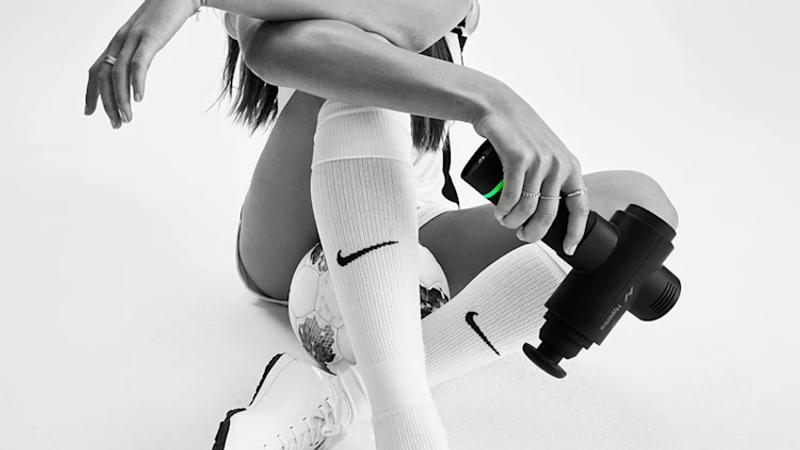
Percussion, compression, and vibration devices carry the LMN requirement because Publication 502 also excludes anything "merely beneficial to general health," which is where a dual-purpose device lands without a condition attached. That does not make their benefits soft. In a controlled study published in the Journal of Sports Science and Medicine, a single five-minute percussion massage session increased ankle range of motion by 18.4 percent without reducing muscle strength. A vibration plate and infrared heating pads sit in the same eligibility category, alongside cryotherapy devices, medical-grade foam rollers, and mobility tools, though models in these groups vary too widely for a single price range.
Red light devices qualify with an LMN as well, and they have a dedicated home on this blog: our red light therapy guide covers panels, wavelengths, and the eligibility details in depth.
What Conditions Qualify Recovery Tech for HSA/FSA?
An LMN needs a real condition behind it, and the qualifying range is wider than most people assume. Recovery tools qualify on the strength of the condition, not the brand or the price tag, and the condition on the letter should be one the device plausibly helps. These five families cover most recovery-equipment letters:
Chronic pain. Chronic back pain, sciatica, neuropathy, fibromyalgia, arthritis, and recurring migraines are the most common anchors. TENS fits nerve-related pain, while percussion devices go after muscle-specific pain that flares with activity. For long-standing pain, providers often cover more than one device in a single letter, a TENS unit for flare-ups plus a percussion gun for the surrounding muscle tension. Arthritis deserves special mention: heat and percussion are both commonly recommended for joint stiffness, and administrators see those letters constantly.
Musculoskeletal injuries. Tendinitis, plantar fasciitis, IT band syndrome, rotator cuff injuries, tennis elbow, and muscle strains all support eligibility. If you are in physical rehab for one of these, home recovery devices extend the work between appointments, and providers write letters for exactly that reason. A runner with IT band syndrome working through a strength program is the textbook case.
Post-surgical recovery. Joint replacements, ACL reconstruction, spinal procedures, and other orthopedic surgeries leave months of recovery where circulation support and gentle muscle work matter. Compression boots are especially common after lower-body procedures, and letters in this family usually specify a duration that tracks the rehab timeline rather than an open-ended need.
Circulation and lymphatic conditions. Lymphedema, chronic swelling, and circulation concerns connected to diabetes are the classic use cases for compression systems. Compression stockings have been standard medical gear for these conditions for decades; sequential compression boots are the powered version of the same idea. Standing-heavy work that produces chronic swelling belongs in this conversation too, not just post-athletic use.
Training-related overuse. Overuse injuries and recurring, activity-limiting muscle soreness from heavy training can qualify too, though this is where administrators look hardest. A vague wish to bounce back faster is general wellness; a provider documenting a recurring overuse injury is a health condition. If you train for events, the letter should name the injury pattern, not the sport.
The list is not limited to athletes, either. Conditions such as multiple sclerosis, Parkinson's disease, and chronic fatigue syndrome appear on recovery-device letters regularly, usually for muscle stiffness, circulation, or pain relief. If your situation shows up anywhere in this section, it is worth a conversation with a provider.
One caution to keep you out of trouble: if there is no condition at all, no paperwork makes a device eligible, and administrators can claw a reimbursement back at audit if the documentation was never real. The rules here are genuinely liberal, but they are rules.
Top HSA/FSA Eligible Recovery Brands
Recovery hardware is a brand-driven market, and price varies far more than capability. The letter works wherever you buy the device, whether that is the brand's own store, a big-box retailer, or an online marketplace. Here is where each of the big names stands, with every price verified in July 2026.
Theragun (Therabody)
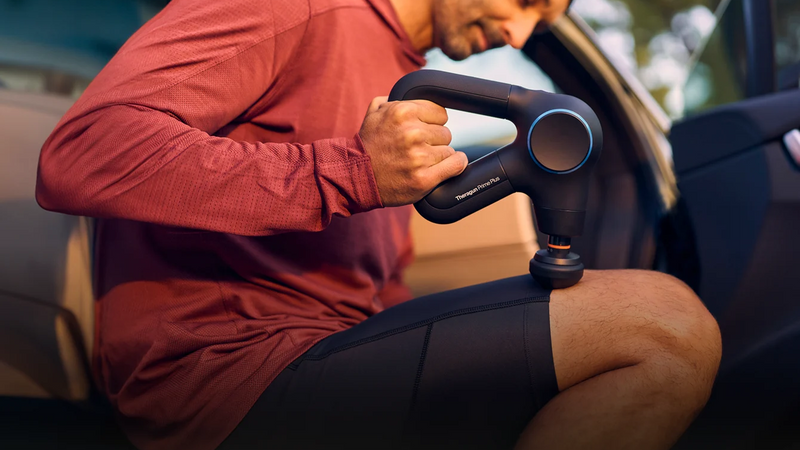
Theragun percussion guns are HSA/FSA eligible with an LMN. The current lineup runs from $159.99 for the Theragun Relief to $649.99 for the PRO Plus, with the travel-size Mini at $219.99 and the popular mid-range Prime at $329.99. Percussion maps directly onto the muscle-pain and mobility conditions that anchor most recovery letters. Our Theragun eligibility guide walks through the full model lineup.
Hypervolt (Hyperice)
Hypervolt massage guns are HSA/FSA eligible with an LMN. The current generation runs from $149 for the Hypervolt Go 3 to $349 for the Hypervolt 3 Pro, the lowest entry price among the premium percussion brands, and previous-generation Hypervolt 2 models are still sold at $109 to $183. The qualifying conditions mirror Theragun's, since administrators evaluate the device class, not the logo. See our Hyperice eligibility guide for the details.
Normatec
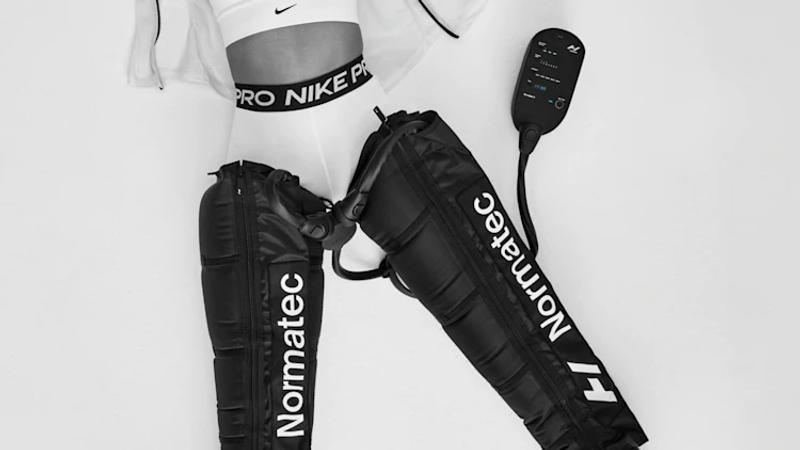
Normatec compression boot systems are HSA/FSA eligible with an LMN. The portable Normatec Go is $379, and the flagship Normatec 3 Legs system is $899, with Full Body and Elite configurations also available. Compression's strongest cases lean toward circulation, lymphedema, and post-surgery use rather than everyday muscle soreness. Our Normatec eligibility guide covers each configuration.
You do not need a premium brand for the rules to work, either. Renpho percussion guns run $59.99 to $119.99, with heated and cooling heads at the upper end of the range, and they are the budget path into an eligible massage gun. TENS brands such as TENS 7000 and iReliev span $52.99 to $199.95, from basic dual-channel units to wireless wearable systems, and get the direct-eligibility handling described earlier.
How Much Can You Save on Recovery Tools?
HSA and FSA dollars go in before tax, so an eligible purchase is effectively discounted by your marginal tax rate. Across the devices this guide profiles, at 2026 prices, the math looks like this:
| Product (2026 price) | 22% bracket | 32% bracket | 37% bracket |
|---|---|---|---|
| TENS 7000 unit ($52.99) | $11.66 | $16.96 | $19.61 |
| Renpho massage gun ($59.99) | $13.20 | $19.20 | $22.20 |
| Hypervolt Go 3 ($149.00) | $32.78 | $47.68 | $55.13 |
| Theragun Prime ($329.99) | $72.60 | $105.60 | $122.10 |
| Normatec 3 Legs ($899.00) | $197.78 | $287.68 | $332.63 |
Read the table against your own bracket: each column is the amount of federal income tax you simply do not pay when the purchase runs through your HSA or FSA. It is also worth running this math when choosing between two models, since the after-tax gap between a $329.99 gun and a $149 one is smaller than the sticker gap suggests. Prices are the brands' own published July 2026 prices and change often; the linked guides above track current details.
Federal income tax is only part of the story. FSA contributions and payroll HSA contributions also skip FICA taxes (7.65 percent), and most states skip state income tax on top of that, which is how total savings reach 30 percent or more for many account holders. Because recovery devices last for years, the one-time step of getting a letter tends to pay for itself many times over on a single purchase, and the bigger the device, the more that step is worth. Unlike a sale, this discount is not seasonal; it is there whenever you are ready to buy.
How to Get Your LMN for Recovery Devices
You have two paths to a Letter of Medical Necessity, and the right one mostly comes down to how fast you want to move and whether you already have a provider who knows your history.
Option 1: Through Your Doctor
- Schedule a visit with your primary care provider or a specialist you already see
- Talk through your condition and the specific device you plan to use
- Ask for an LMN that names the condition, the device, how often you will use it, and for how long
- Timeline: usually 1-3 weeks depending on appointment availability
Option 2: Through Crates (Recommended)
- Complete a quick online health assessment (about 3 minutes)
- A licensed provider reviews your information, typically within 24-48 hours
- If you qualify, your LMN is issued covering your recovery devices
- Buy your device anywhere using your personal card and keep the itemized receipt
- Use Crates one-click reimbursement to get your HSA/FSA funds back
Whichever path you choose, two details protect you at reimbursement time. Your LMN must be dated before your purchase, so get the letter first; a device bought last month cannot be covered by a letter issued today. And keep the LMN together with your itemized receipt, because administrators usually want both at once; get those two documents right and you have removed the most common reasons claims bounce. Digital copies are fine; administrators need legibility, not originals. Your LMN stays valid for 12 months, and Crates renews it for you when the time comes.