Why Dental Care Counts
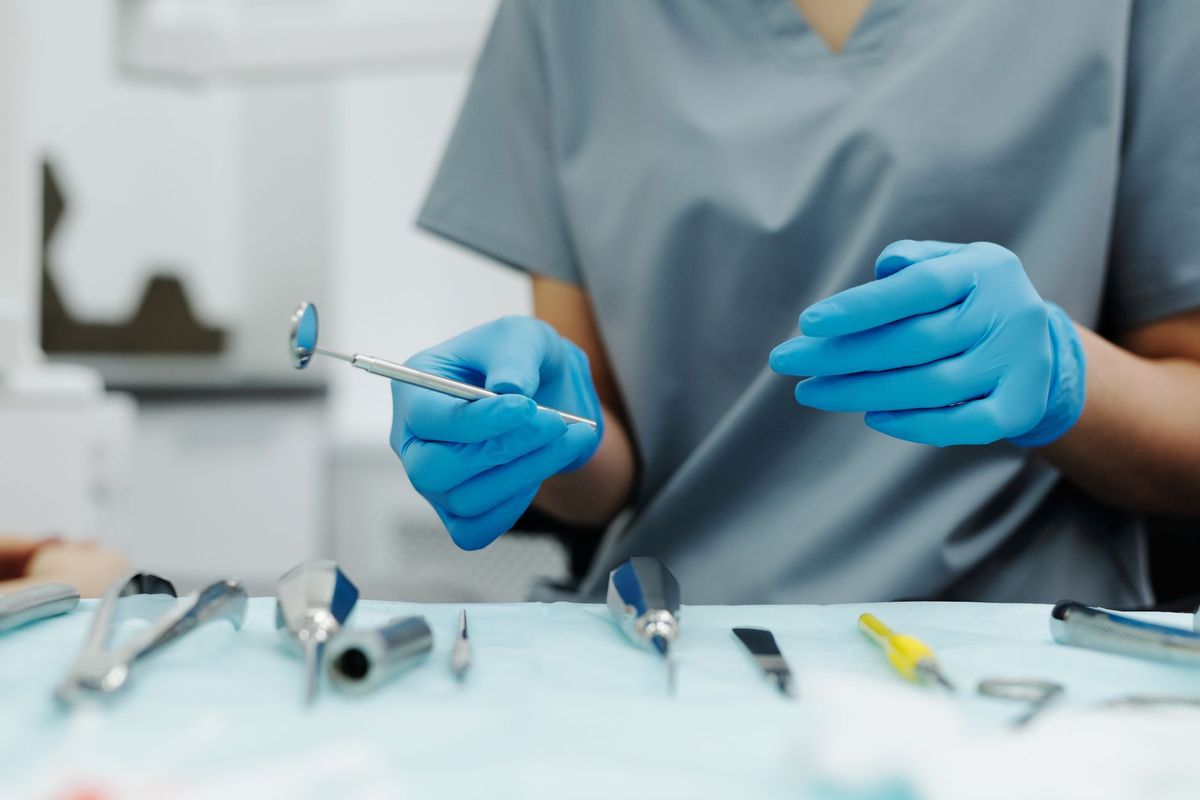
Dental care qualifies because preventing and treating dental disease is medical care. You do not need to wait for a cavity or a toothache: routine preventive visits count too.
The IRS says in Publication 502's Dental Treatment entry: “You can include in medical expenses the amounts you pay for the prevention and alleviation of dental disease.” It names cleanings, sealants, fluoride treatments, X-rays, fillings, braces, extractions and dentures.
In practice, a cleaning, a filling and a crown all count. Work done only to change how your teeth look, like whitening, does not.
What Dental Costs Count and What Doesn’t?
Preventive, restorative and orthodontic care qualify. The table separates those services from home dental products and cosmetic whitening.
| Dental expense | HSA/FSA eligibility | Letter needed? |
|---|---|---|
| Cleanings, exams, X-rays, sealants and fluoride treatments | Eligible | No |
| Fillings, root canals and crowns that restore a tooth | Eligible | No |
| Extractions, including wisdom teeth | Eligible | No |
| Dentures, bridges and implants replacing missing teeth | Eligible | No |
| Braces and Invisalign orthodontic treatment | Eligible | No |
| Medical night guard for teeth grinding | Eligible | No |
| Electric toothbrush for gingivitis | Eligible with a letter for gingivitis | Yes |
| Water flosser for gingivitis | Eligible with a letter for gingivitis | Yes |
| Regular toothpaste and string floss for everyday hygiene | Not eligible for that ordinary use | Not applicable |
| Teeth whitening | Not eligible | Not applicable |
Our FSA eligible items list supplies the home-care verdicts, including medical night guards. The electric toothbrush and water flosser rows require a letter of medical necessity for their use in managing gingivitis. That requirement belongs to those products, not your dental cleaning or filling.
Publication 502 supplies the dental-treatment rule and explicitly excludes teeth whitening. Its personal-use rule separates everyday hygiene from medical use: medicated toothpaste for a specific dental condition is eligible with a letter, while ordinary toothpaste and floss are not. FSAFEDS' dental expense list also names bridges, implants and Invisalign as eligible expenses.
Can You Use HSA/FSA Money for Braces and Invisalign?
Yes. Braces and Invisalign used for orthodontic treatment are eligible expenses for you, your spouse or an eligible dependent. Braces appear in the IRS dental-treatment entry, and FSAFEDS lists clear aligners, including Invisalign.
For installment or upfront payments, an itemized orthodontist's bill documents the treatment and amount. Paying upfront from an FSA? FSAFEDS has a specific orthodontia rule that reimburses prepaid treatment up to your elected amount when you pay during the benefit period. Other dental work is different: a health FSA can't reimburse future or projected expenses, so claim it after the visit.
How to Pay for Dental Care With HSA/FSA Funds
Pay the eligible part of your bill with your account card if the dental office accepts it, or pay personally and reimburse yourself. These funds work for eligible uninsured dental care as well as the portion insurance leaves you to pay, and a separate dental plan doesn't affect your HSA.
- Find your share of the bill. Subtract what insurance pays. Deductibles, copays and other eligible out-of-pocket charges count; the same dollars cannot be reimbursed by insurance and an HSA or FSA.
- Pay and keep an itemized receipt. Save the patient's name, provider, service, treatment date and amount. A card slip alone does not show what dental care you received. Keep the insurance explanation of benefits with it when insurance paid part of the bill.
- Use the reimbursement route for your account. For an HSA, transfer the eligible amount back to yourself and retain the records. For an FSA, submit the receipt through your administrator's claim form or online portal. Keep the receipt even when you use the account card.
IRS Publication 969 sets the account rules. An already-paid dental bill qualifies for HSA reimbursement when the expense was incurred after the HSA was established. For an FSA, the dental care must fall within your coverage period, and you must file within the plan's claim deadline. No new letter is needed to claim an earlier eligible cleaning or filling.
A limited-purpose FSA covers eligible dental and vision expenses and works alongside an HSA when you otherwise qualify. A dependent care FSA pays for dependent care, not dental treatment. Your account also covers eligible care for your spouse and qualifying dependents; a health FSA additionally covers your child who is under 27 at year-end. Our HSA and FSA comparison explains the account differences.
If an FSA claim is rejected, read the reason. Ask the dental office for missing receipt details, then resubmit or appeal through the administrator's stated process. FSAFEDS explains that its denial notices identify the reason and next steps. A request for an itemized bill does not change whether the underlying dental service qualifies.
What Else Is HSA/FSA Eligible for Dental Care at Home?
Electric toothbrushes and water flossers are HSA/FSA eligible with a letter of medical necessity when they help manage gingivitis or periodontal disease. Our electric toothbrush guide explains how brushes qualify; a Cochrane review found powered brushes reduced plaque and gingivitis more than manual brushing.
For cleaning between teeth, our water flosser guide covers how water flossers qualify and what the research shows.
Under Crates guidance, get the letter before buying a product that needs one: it covers purchases from its issue date forward. That timing rule is separate from reimbursing a routine dental visit, which needs no letter.
Because HSA and FSA dollars go in before income tax, paying the dentist with them can save you up to 30%; your exact saving depends on your tax bracket and whether you contribute through payroll.