Why Glasses Are HSA/FSA Eligible
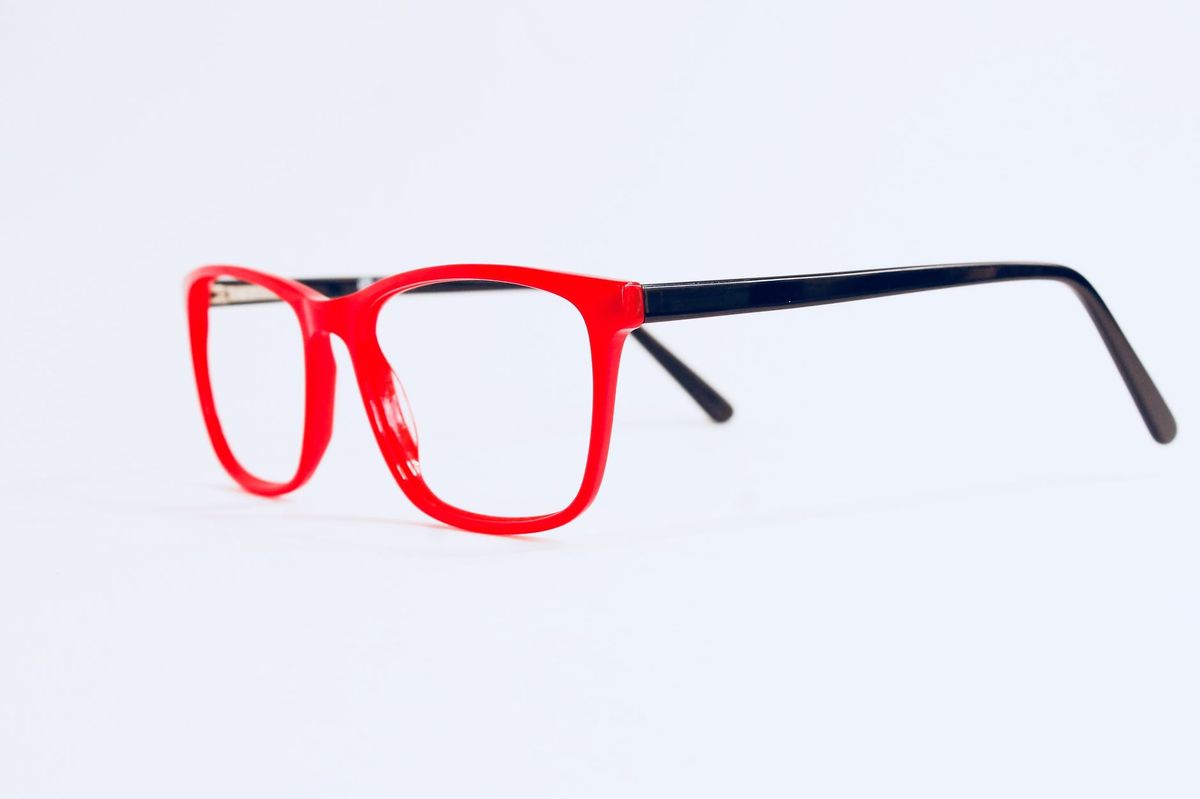
Glasses that correct your vision are a medical expense. The Eyeglasses entry in IRS Publication 502 says, “You can include in medical expenses amounts you pay for eyeglasses and contact lenses needed for medical reasons.”
That covers the glasses you wear every day, prescription sunglasses for driving, and readers for the small print on a menu. You don't need a prescription for readers. Prescription glasses use your eye doctor's prescription, while store-bought readers correct close-up vision with magnification alone.
Which Glasses Are HSA/FSA Eligible?
Corrective lenses count whether they're clear, tinted or fitted into your favorite frames. Ordinary fashion sunglasses and noncorrective screen glasses have a different purpose; specialty glasses used for a documented health condition have their own entry below.
| Glasses | HSA/FSA eligibility and letter requirement |
|---|---|
| Prescription eyeglasses, including frames and lenses | Eligible, no letter needed |
| Over-the-counter reading glasses | Eligible, no letter needed |
| Prescription sunglasses | Eligible, no letter needed |
| Prescription glasses with a blue-light filter | Eligible, no letter needed |
| FL-41 light-sensitivity glasses | Eligible with a letter for photophobia with chronic eye pain or blepharospasm |
| Fashion sunglasses for ordinary use | Not eligible for ordinary fashion use |
| Noncorrective blue-light glasses for ordinary screen use | Not eligible for ordinary screen use |
Our FSA eligible items list supplies the vision-item verdicts and the ordinary-use exclusions above. Warby Parker's eyewear guide also identifies prescription blue-light glasses as eligible corrective eyewear. The filter doesn't change the glasses' vision-correction purpose.
Single-vision, bifocal and progressive prescription lenses all fit the corrective-eyewear rule. So do prescription sunglasses with polarized lenses. Foster Grant explains that reading sunglasses qualify too: the magnification lets you read outdoors, even when you bought them without a prescription.
For FL-41 glasses used for the listed conditions, a letter of medical necessity records why your provider recommends them. FL-41 is a specialty tint studied for light sensitivity in blepharospasm and in 25 patients with chronic eye pain and photophobia. Get the letter before you buy them: a Crates letter covers purchases from its issue date forward.
How to Pay for Glasses With HSA/FSA Funds
Use your HSA or health FSA card at a checkout that accepts it, or pay yourself and use your account afterward. Keep the itemized receipt either way, with the glasses, purchase date and amount paid. A card decline doesn't change an eligible pair into an ineligible one.
- Pay for your glasses. Online and in-store purchases use the same eligibility rules. Zenni accepts HSA/FSA cards at checkout. Foster Grant's readers qualify even though its checkout doesn't accept FSA cards, so use another payment method there.
- Use the receipt for reimbursement if you paid yourself. With a health FSA, upload the itemized receipt through your account's claims process. With an HSA, reimburse yourself from the account and retain the receipt with your tax records. A purchase already paid by your benefits card needs no second reimbursement.
- Claim your own out-of-pocket cost. Vision insurance and HSA/FSA funds can pay different portions of the same glasses bill. Publication 969 requires qualified expenses to be unreimbursed by insurance or another source. Without vision insurance, the eligible amount is the cost you paid yourself.
For glasses you already bought, the purchase must fall after your HSA was established or within your health FSA's coverage period. An FSA also has a claim-filing deadline. Our HSA vs. FSA guide explains those timing differences. A limited-purpose FSA also pays for eligible vision expenses, including glasses.
If an FSA claim is rejected, use the reason on the notice to respond. For a missing receipt detail, request an itemized copy from the seller and upload it with the claim. For a mistaken classification, identify the corrective glasses and refer to the IRS Eyeglasses entry. Follow the notice's review or appeal instructions and deadline; ordinary corrective glasses need no letter of medical necessity.
Other HSA/FSA-Eligible Vision Expenses
Eye exams, prescription contact lenses and contact solution are eligible vision expenses too. Publication 502 includes those purchases and laser surgery to correct vision, such as LASIK. Over-the-counter eye-drop medicines also qualify, because the CARES Act made over-the-counter medicines reimbursable from HSAs and FSAs without a prescription.
Paying for eligible glasses with pre-tax money leaves more of your earnings available for other spending. Your tax saving depends on federal and state taxes, any payroll-tax benefit, and how you contribute to the account; the retailer still charges the same price.