What Is Owlet
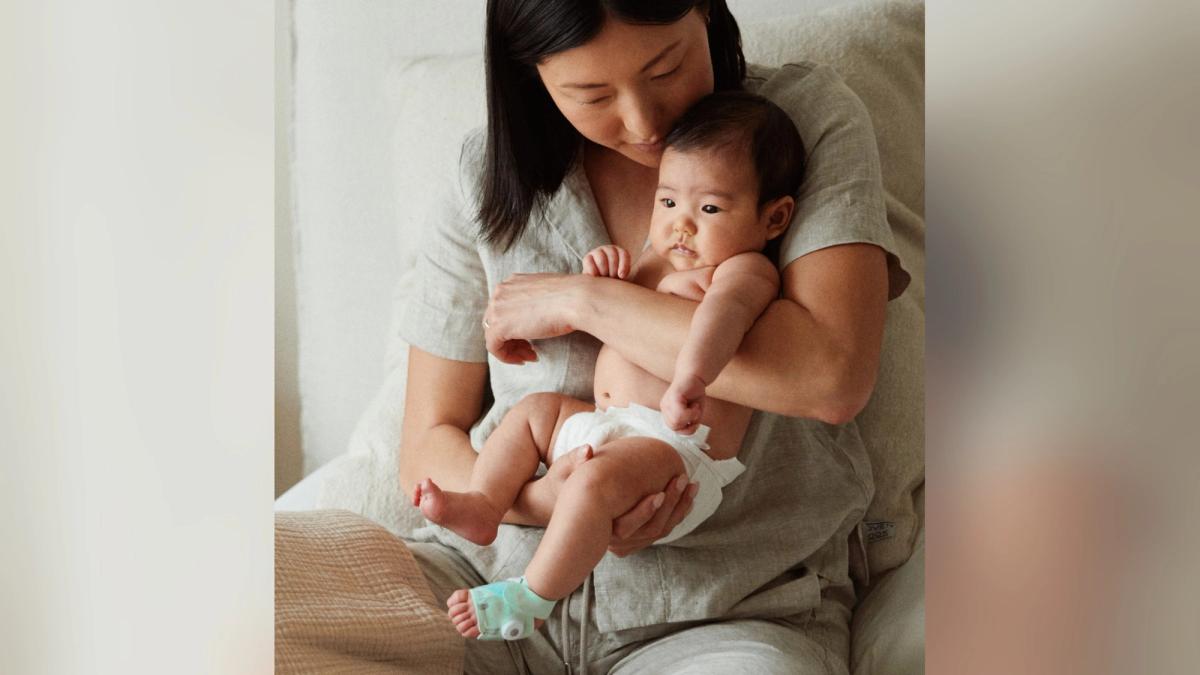
Owlet makes the baby monitor that wraps around a baby's foot. Its current Dream Sock pairs a small sensor and fabric sock with a base station and the Owlet Dream App. Owlet says the system shows live pulse rate and oxygen readings, records sleep trends, and sends notifications when readings fall outside preset ranges. The Dream Sock costs about $300, with its core monitoring features included without a subscription.
The health-monitoring features have a specific age and weight range: healthy infants 1–18 months old, weighing 6–30 pounds. The sensor sends readings to the base station, which provides light and sound notifications; the app displays readings and trends. Those are the functions covered by its FDA authorization. When a provider ties it to your own health condition, your HSA or FSA can pay for it. Shopping for the rest of the nursery? Our sleep-tech guide covers other sleep gadgets and how each one qualifies.
Why Owlet Qualifies for HSA/FSA
Dream Sock qualifies when a licensed provider connects it to your health condition in a Letter of Medical Necessity (LMN). The condition is yours, the parent's: Owlet makes Dream Sock for healthy babies. IRS Publication 502 includes expenses for the “diagnosis, cure, mitigation, treatment, or prevention of disease”, and that covers mental health too.
Anxiety is one of the main reasons parents buy these monitors. A 2025 study in BMJ Paediatrics Open analyzed 11,262 Amazon reviews of 48 infant sleep monitors: parental anxiety was one of the two main reasons families gave for buying, and when a device worked well, parents reported less anxiety and better sleep. Some of the common conditions a provider can document include:
- Postpartum anxiety. Cleveland Clinic lists staying up all night because you're afraid your baby will stop breathing in their sleep among its signs. Dream Sock shows your baby's pulse rate and oxygen and notifies you when a reading leaves its preset range, so you are not checking by hand all night.
- Generalized anxiety disorder. MedlinePlus describes it as worrying about many things and finding that worry hard to control. Fathers and adoptive parents get it too, and the same readings and notifications help.
- Insomnia. Cleveland Clinic defines it as not sleeping well or enough, to the point it affects how you feel or function. Owlet's product page says 94% of parents say they sleep better with Dream Sock.
Another condition your provider ties to Dream Sock in your letter counts too.
Your baby's health is a separate question. FDA labeling says Dream Sock does not detect, diagnose or reduce SIDS or SUID. It is not intended for babies with ongoing health conditions, including previously diagnosed cardiovascular or respiratory conditions. For a baby who needs clinician-directed monitoring, Owlet's separate BabySat is the relevant product to discuss with their provider.
How to Get Owlet Covered With a Letter of Medical Necessity
You have two ways to get a letter for Owlet Dream Sock:
- Through Crates, typically in under 24 hours. Take a 2 to 3 minute online health assessment. A licensed provider reviews it and, if you qualify, issues your letter for Dream Sock. It stays valid for 12 months and renews each year.
- Through your own doctor, a few days to a few weeks. Book a visit, say you want to buy Dream Sock with HSA/FSA funds, and ask them to document how a baby pulse and oxygen monitor helps prevent, manage, or reverse your condition. Make sure it's signed and dated. You may owe a copay.
The letter names your condition, not your baby's.
How to Buy Owlet With HSA/FSA Funds
Buy Dream Sock wherever you like, then get your HSA or FSA money back.
- Get your Letter of Medical Necessity first. Use either option above.
- Buy Dream Sock anywhere. Pay with your personal card, online or in store, and keep the itemized receipt showing the item and amount paid.
- Get your money back. Crates one-click reimbursement files the claim for you, or upload the letter and receipt yourself. For an HSA, keep both with your tax records.
Already bought one? A letter covers purchases from its issue date forward, so a new letter won't reach back to a Dream Sock you already own. Get your letter before your next Owlet purchase, such as replacement socks.
Buying directly from Owlet also gives you a card option: its payment guidance says you can use an HSA or FSA card at checkout for Dream Sock or Dream Duo. The card changes how you pay, not what you need, so get your letter first either way.
Using pre-tax funds can save up to 30%. At an illustrative combined 30% tax rate, a $300 purchase saves about $90. Your actual savings depend on your tax rates and how you fund the account. Our HSA vs FSA guide explains how the accounts differ.
Which Owlet Products Qualify
The current Dream Sock qualifies with an LMN. Owlet's regular US list price, checked October 26, 2026, is $299.99.
| Product | Approximate regular price | HSA/FSA eligibility |
|---|---|---|
| Owlet Dream Sock | $300 | Yes, with an LMN |
Owlet also sells the Dream Duo bundle, which combines Dream Sock with its Dream Sight camera, for about $380. Owlet lists that bundle as HSA/FSA eligible. If Dream Duo is what you plan to buy, ask for your letter to name it.
BabySat serves a different need: it is a prescription pulse oximeter for infants requiring monitoring under a medical provider's supervision. Owlet says insurance may reimburse BabySat, but not Dream Sock. That is separate from using HSA/FSA funds for an eligible out-of-pocket expense.
Other nursery purchases qualify the same way. Our Hatch eligibility guide explains the letter for its light and sound devices.