What Is Amazfit
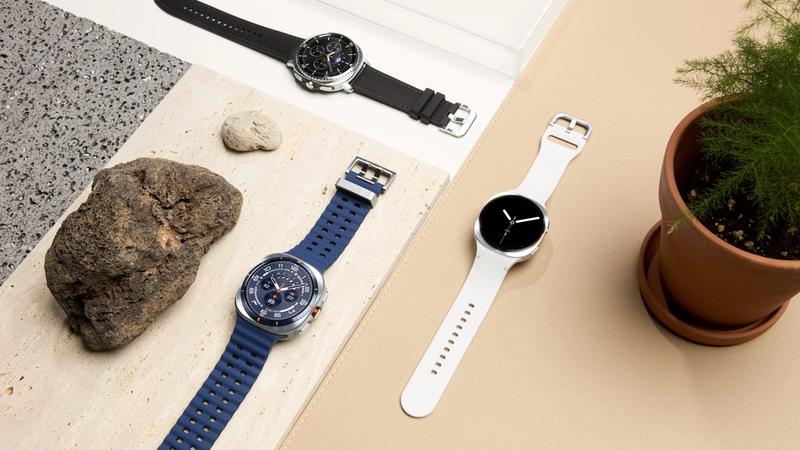
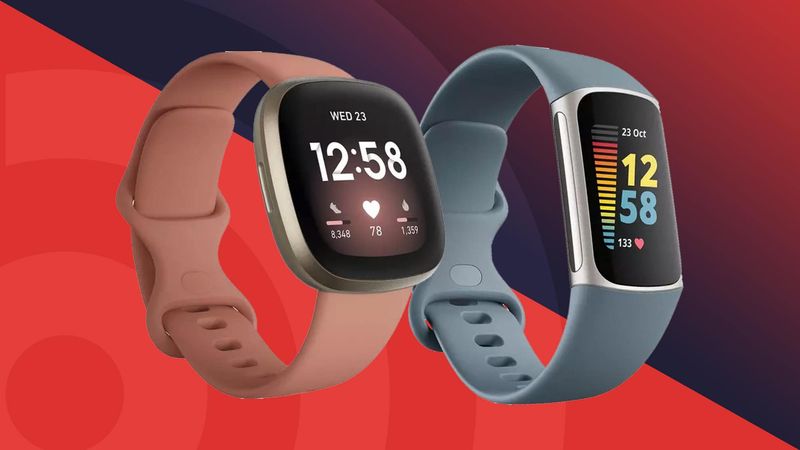
Amazfit makes smartwatches you can wear to work, on a lunchtime walk and to the gym afterward. Its range includes round and rectangular watches, plus the screenless Helio Strap for people who prefer to check their numbers on a phone.
The Bip 6 costs about $80, the standard Active 2 Round about $100, and the newer Balance 3 starts around $370. Helio Strap is about $100. Amazfit describes activity, heart-rate and sleep tracking across these devices, with core tracking available through the free Zepp app. The Helio Strap manual, for example, explains how workout records sync to the app after exercise.
For your HSA or FSA, the useful question is what you do with that record. Following an activity plan for a health condition gives the purchase a medical purpose beyond checking your daily step total.
Why Amazfit Qualifies for HSA/FSA
Amazfit is HSA/FSA eligible when a licensed provider connects its use to your health condition in a Letter of Medical Necessity (LMN).
IRS Publication 502 includes “diagnosis, cure, mitigation, treatment, or prevention of disease” as medical expenses. In September 2026, the IRS added an answer on wearables: a watch, band, ring or similar device counts as a medical expense when you buy and use it primarily to help with a specific disease. Your letter documents the connection.
Here are some common conditions a provider can document when activity tracking is part of your care:
- Obesity. NIDDK includes daily physical-activity monitoring in structured weight-management programs. A tracker gives you a movement history to review against the activity goals your provider recommends.
- Type 2 diabetes. NIDDK explains that regular activity helps manage diabetes. Logging walks and workouts helps you follow the exercise part of your care plan.
- Prediabetes. NIDDK says planning and tracking your progress can help you make lifestyle changes, and more physical activity is one of the changes that can prevent or delay type 2 diabetes. Your Amazfit tracks the activity side of that progress.
- Hypertension. NHLBI recommends physical activity to help control high blood pressure. Recording your walking sessions helps you follow that recommendation. Your provider chooses the activity level that fits you.
A JAMA Network Open review of 38 trials involving 4,203 adults with cardiometabolic conditions found that programs combining activity trackers with professional consultations were associated with increased physical activity. That is the practical role here: helping you follow a plan.
If regular activity is part of how you prevent or manage a different condition, your provider can connect your Amazfit to that one, too.
How to Get Amazfit Covered With a Letter of Medical Necessity
You have two ways to get a Letter of Medical Necessity for an Amazfit watch or tracker:
- Through Crates, typically in under 24 hours. Take a 2-minute online health assessment. A licensed provider reviews your answers and, if you qualify, issues your letter for the Amazfit wearable. Your letter stays valid for 12 months and renews each year.
- Through your own doctor, a few days to a few weeks. Book a visit and explain that you want to buy an Amazfit with HSA/FSA funds. Ask your doctor to document how an activity tracker helps prevent, manage, or reverse your condition in a signed, dated letter. You may owe a copay.
How to Buy Amazfit With HSA/FSA Funds
Buy your Amazfit wherever you like, then get the eligible purchase reimbursed from your HSA or FSA:
- Get your Letter of Medical Necessity first. Use either of the provider options above before you shop.
- Buy the watch or tracker anywhere. Pay with your personal card, online or in store. Keep the itemized receipt showing the device and amount paid.
- Get your money back. Crates' one-click reimbursement files the claim for you, or upload the letter and receipt yourself. For an HSA, keep both with your tax records, as Publication 969 explains.
Using pre-tax funds can save you up to 30%, depending on your combined tax rates and how you fund the account. Our HSA vs. FSA guide walks through how each account works.
Which Amazfit Models Qualify
Every Amazfit watch and tracker qualifies the same way, with an LMN, whatever its model name or price. The models below are examples from across the range, so you can see where yours fits.
| Model and approximate regular U.S. price | What it is | HSA/FSA eligibility |
|---|---|---|
| Bip 6, $80 | Rectangular everyday smartwatch | Yes, with an LMN |
| Active 2 Round, $100 | Round smartwatch, standard version | Yes, with an LMN |
| Active 3 Premium, $170 | Running-focused smartwatch | Yes, with an LMN |
| Balance 2, $300 | Multisport smartwatch | Yes, with an LMN |
| Balance 3, from $370 | Multisport smartwatch | Yes, with an LMN |
| T-Rex 3, $280 | Outdoor smartwatch | Yes, with an LMN |
| Helio Strap, $100 | Screenless activity and recovery tracker | Yes, with an LMN |
Regular prices were checked on Amazfit's U.S. site on October 30, 2026, before any sale discounts.
Comparing wearables before you choose? Our Garmin watch page covers GPS running watches, our WHOOP page covers a screenless recovery band, and our Oura Ring page covers a sleep-tracking ring.