Why Yoga Qualifies for HSA/FSA
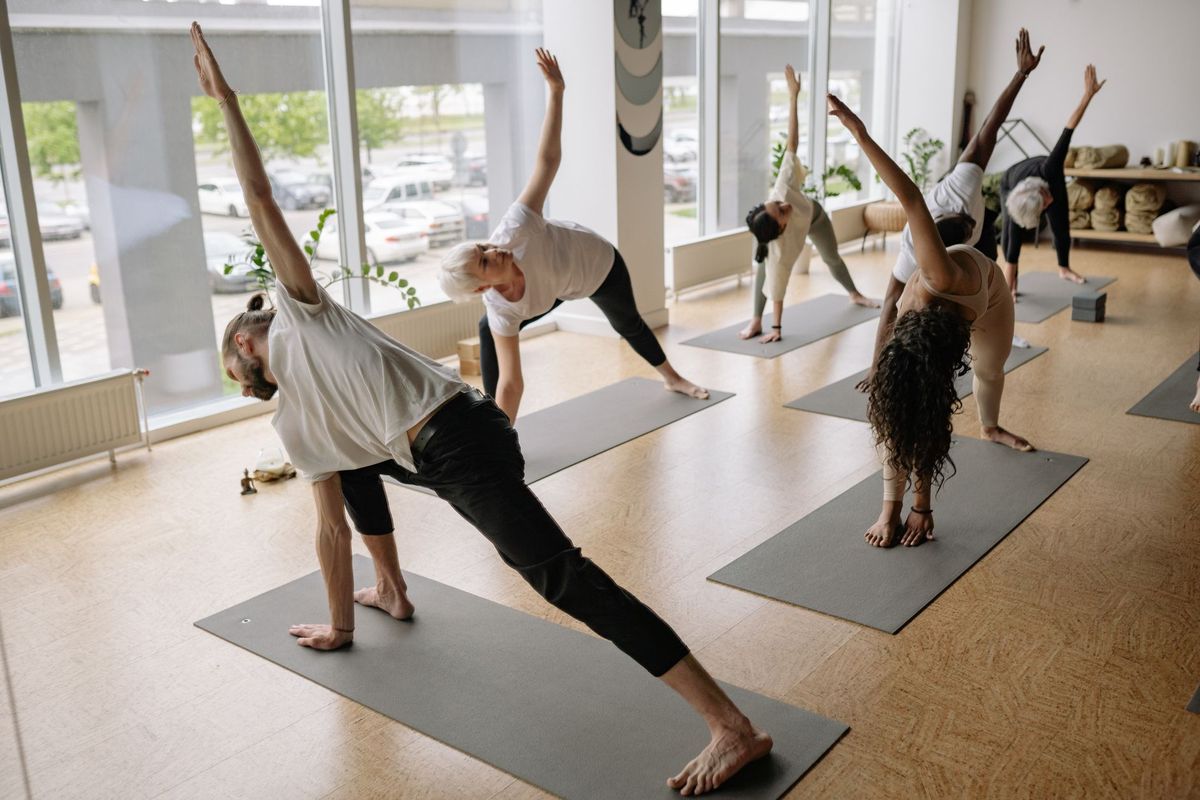
Yoga combines movement, breathing exercises, and meditation. Those elements give it a role in managing conditions such as chronic back pain and depression, as MedlinePlus explains. A class gives you instruction; a membership gives you regular access; a mat gives you a surface for practicing at home.
IRS Publication 502 includes expenses for “diagnosis, cure, mitigation, treatment, or prevention of disease.” A Letter of Medical Necessity (LMN) explains how yoga serves your particular health condition. Yoga bought just for general fitness or relaxation is a personal expense; yoga for a documented medical purpose is HSA/FSA eligible with that letter.
For a studio membership, the IRS's gym-membership guidance counts the cost as a medical expense if the membership was purchased for “the sole purpose of affecting a structure or function of the body (such as a prescribed plan for physical therapy to treat an injury) or the sole purpose of treating a specific disease diagnosed by a physician (such as obesity, hypertension, or heart disease).” That is the same medical-purpose standard discussed in our gym membership guide.
Does Yoga Actually Help With Back Pain?
Yes, yoga can help with chronic low back pain. The National Center for Complementary and Integrative Health notes that a 2017 American College of Physicians guideline lists yoga among the initial nondrug options. Its evidence summary finds a small average benefit compared with no exercise, so the useful goal is easier movement and daily activity.
You do not have to choose the hardest class to get that benefit. MedlinePlus recommends a class suited to your level and modifications for health conditions. An instructor who can adapt a pose is more useful than pushing through a movement that hurts.
Which Conditions Qualify Yoga for HSA/FSA?
Yoga qualifies when it helps prevent or manage a health condition. These are some of the common ones a licensed provider can document in your LMN:
- Chronic low back pain. Yoga offers a way to work on movement and physical function with adaptable postures. NCCIH's yoga research summary supports its place among nondrug approaches for this condition.
- Generalized anxiety disorder. A structured practice brings movement and breathing exercises into anxiety care. In a JAMA Psychiatry trial, Kundalini yoga improved anxiety outcomes compared with stress education.
- Depression. Yoga's combination of physical activity and mind-body practice can complement ongoing depression care. NCCIH reports that yoga may bring small additional symptom benefits when used alongside other approaches for major depression.
- Knee osteoarthritis. Adapted yoga offers another form of structured exercise for painful knees. A JAMA Network Open trial in 117 adults found yoga performed similarly to strengthening exercise for knee pain over 12 weeks, supporting it as an exercise option.
- High blood pressure. Yoga's breathing and relaxation work gives it a place in lifestyle care for blood pressure. A Mayo Clinic Proceedings meta-analysis of 49 trials (3,517 adults) found yoga lowered systolic pressure by an average of 5.0 mm Hg and diastolic by 3.9 mm Hg compared with control groups, with larger drops in people with hypertension when practice included breathing and meditation.
Yoga for a condition not named here qualifies the same way when your provider includes it in your letter.
How to Get a Letter of Medical Necessity for Yoga
Your letter for yoga classes, a membership, or a mat can come from Crates; your own doctor can write one too:
- Through Crates, typically in under 24 hours. Fill out a short online health assessment; it takes 2 to 3 minutes. Once a licensed provider has reviewed it, you're issued a letter covering yoga memberships and class packages if you qualify. Each letter is good for 12 months and renews every year.
- Through your own doctor, a few days to a few weeks. Book an appointment and say you'd like to pay for yoga with HSA/FSA funds. Ask your doctor to put in writing how yoga helps you prevent, manage, or reverse your condition. Have them sign and date the letter. The visit may come with a copay.
Crates can provide a letter for a yoga mat used to manage the same condition, including mats outside its catalog; your own doctor can write one too.
How to Buy Yoga Classes and Mats With HSA/FSA Funds
Choose the studio or retailer you like, pay normally, and get your eligible expense reimbursed.
- Get your Letter of Medical Necessity first. Start with Crates for classes, memberships, or a mat; your own doctor can write one too.
- Buy your classes, membership, or mat. Pay the studio or store with your personal card, and save the itemized receipt that lists what you bought and what it cost.
- Get your money back. Crates one-click reimbursement files the claim for you, or upload the letter and receipt yourself. If your account is an HSA, store the letter and receipt alongside your tax records.
Account timing matters for an ongoing membership. An HSA can reimburse membership months paid on or after your letter's issue date and after the account was set up, as Publication 969 explains. For an FSA, the service must be provided during your coverage period; paying for next year's classes now does not move those classes into this year's coverage. Our HSA vs. FSA breakdown compares each account's contribution limits and rollover rules.
Yoga Classes, Memberships, and Mats: What Qualifies?
Every yoga studio and mat brand follows the same medical-purpose rule: the purchase is eligible with an LMN for your condition. Your choice is about where and how you practice. A class package pays for instruction, while a mat supports the exercises you do between sessions.
| Purchase | What it provides | Eligible with an LMN |
|---|---|---|
| Yoga mat | A surface for condition-focused floor practice | Yes |
| Classes or class packages | Individual sessions or a set of sessions | Yes |
| Studio membership | Ongoing access to yoga classes | Yes |
The equipment has its own role. A mat used for yoga that manages back pain is medical-purpose equipment, just as other home workout equipment qualifies when a provider connects its use to a condition. Home practice and online classes qualify the same way, with a letter for your condition.
| Brand | Known for | Eligible with an LMN |
|---|---|---|
| CorePower Yoga | Studio classes and memberships | Yes |
| Manduka | Yoga mats | Yes |
Our CorePower Yoga guide covers that studio's classes and membership options. Independent studios and other mat brands qualify the same way, with a letter connecting the purchase to your condition.
Pick the style around your needs, too. MedlinePlus describes gentler approaches alongside more demanding power yoga. Hot yoga qualifies the same way. NCCIH notes that it adds overheating and dehydration risks and recommends avoiding it during pregnancy. A beginner-friendly class with appropriate modifications is a practical place to start.
How Much Can You Save on Yoga With HSA/FSA?
At an illustrative $100 a month, a yoga membership costs $1,200 a year. Using eligible HSA/FSA funds at a combined rate near 30% saves about $360 over that year. Your monthly studio bill stays the same; the $360 stays with you because you paid with tax-advantaged funds.
These examples use assumed combined tax rates, including income and payroll taxes where applicable. Each savings column is the example purchase amount multiplied by that combined rate.
| Example purchase or annual spend | Save at 20% combined | Save at 30% combined |
|---|---|---|
| $50 mat | $10 | $15 |
| $200 class package | $40 | $60 |
| $1,200 annual membership spend | $240 | $360 |
| $2,400 annual membership spend | $480 | $720 |
The prices above are examples, not a studio's current offer or a guaranteed discount. Getting reimbursed moves your own HSA or FSA money back to you. The saving comes from that money going into the account tax-free, so it's money you keep. Publication 969 spells out how each account is taxed. Your own saving depends on your combined rate and how you put money in, and these figures don't include any provider or letter fee.