Why Period Products Count
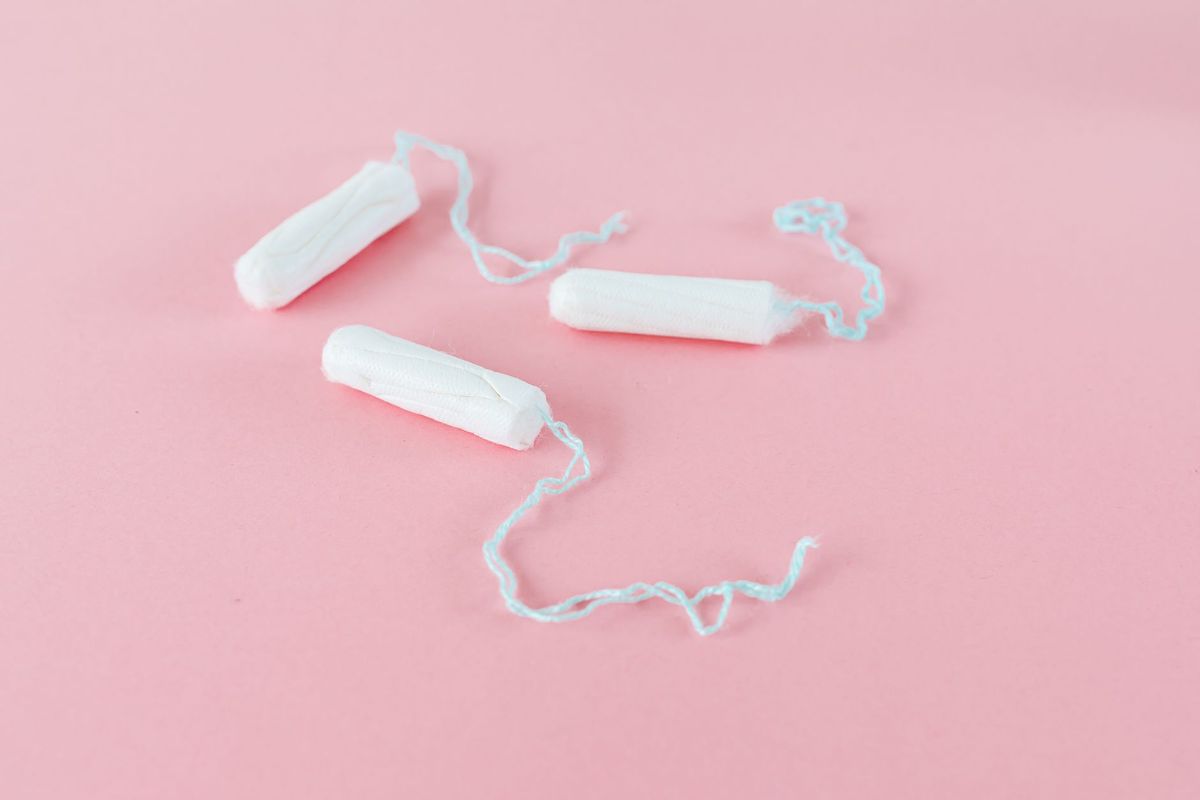
Menstrual care has its own rule in federal tax law. The CARES Act made these purchases qualified medical expenses for HSAs and health FSAs for amounts paid after December 31, 2019. The IRS explanation of the change names tampons, pads, liners, cups, sponges and similar products used for menstruation.
IRS Publication 969 states the rule directly:
Amounts paid for menstrual care products are treated as paid for medical care.
That gives you a useful starting point when shopping: look at whether the product is made to absorb or collect menstrual flow. Both disposable products and reusable period care fit. You don't need a separate health condition to use your account for menstrual care.
Which Period Products Count, and What Doesn't?
Tampons, pads, period underwear, menstrual cups and discs all count. Here is how the common choices compare, along with four nearby purchases people ask about.
| Item | HSA/FSA eligibility | Letter needed? |
|---|---|---|
| Tampons | Eligible for menstrual care | No |
| Menstrual pads, including reusable pads | Eligible for menstrual care | No |
| Panty liners | Eligible for menstrual care | No |
| Period underwear made to absorb menstrual flow | Eligible for menstrual care | No |
| Menstrual cups and discs | Eligible for menstrual care | No |
| Heating pad for period cramps | Eligible | No |
| Over-the-counter pain relievers for cramps | Eligible | No |
| Yeast-infection treatments | Eligible | No |
| Feminine wash used only for routine cleansing | Not eligible for that use | A letter does not turn routine cleansing into medical care |
Our FSA eligible items list confirms the no-letter status of tampons, menstrual pads and liners, period underwear, cups and discs, heating pads, pain relievers and yeast-infection treatments. The menstrual-care rule covers the period products. Heating pads and pain relievers qualify separately as medical items, and the same CARES Act change made over-the-counter medicines reimbursable without a prescription.
For the routine-cleansing row, Publication 502's personal-use rule treats ordinary personal or living expenses as nonmedical unless the item is used primarily to prevent or alleviate a physical or mental disability or illness. A wash bought simply to feel clean falls on the personal-use side of that rule. A cleanser your provider recommends for a documented skin condition is a different purchase: it is eligible with a letter of medical necessity.
The same distinction helps when shopping a clothing brand. Period underwear belongs here because it absorbs menstrual flow. A maker's entire clothing range does not take that menstrual-care answer just because it also sells period underwear.
How to Pay for Period Products With HSA/FSA Funds
Use your HSA or health FSA card at a checkout that accepts it, or pay yourself and reimburse the eligible purchase from your account. Keep an itemized receipt either way.
- Buy the products you normally use. Tampons, pads, liners, cups, discs and period underwear all count, whatever the brand.
- Pay with your account card where accepted. As of November 3, 2026, Target accepts HSA and FSA cards in stores, on Target.com and in its app. For period underwear, Thinx accepts the cards at checkout on orders paid in US dollars. A declined card does not change a period product's eligibility. Pay another way if needed, then claim it with your receipt.
- Keep proof of the purchase. Save the store name, purchase date, product description and amount paid. For an FSA, submit the receipt through your benefits account's claim process. For an HSA, request reimbursement from your HSA and retain the records with your tax documents. Claim only the amount you paid that has not already been reimbursed elsewhere.
Publication 969 asks for records that show the expense, its amount and that it wasn't reimbursed elsewhere. An itemized receipt does that job; a bank statement showing only a total doesn't name the products.
Already bought them? An earlier period-product purchase is reimbursable when it falls within the account's qualifying dates. For an HSA, that means an expense incurred after the HSA was established. For an FSA, the purchase must fall within your coverage period, and the claim must reach your administrator by its filing deadline. Our HSA vs. FSA guide explains how the accounts work.
Have a limited-purpose FSA? An account restricted to dental and vision expenses does not cover period products. Use your HSA or general-purpose health FSA for this purchase.
Was your claim rejected? Read the reason in the notice. If the administrator needs an itemized receipt, send one that identifies the period products. If the rejection treats menstrual care as a personal expense, point to the menstrual-care rule in Publication 969 and request a review. A receipt problem calls for purchase documentation, not a letter for tampons or pads.
What Else Is Eligible?
Magnesium is HSA/FSA eligible with a letter of medical necessity when a healthcare provider recommends it for menstrual migraine. The American Migraine Foundation identifies magnesium as a preventive option for menstrually related migraine. Our magnesium guide explains its eligibility. For that letter-required purchase, get the letter before buying; a new letter does not cover an earlier bottle.
HSA/FSA money goes into your account before taxes, so paying for period care with it can save you up to 30%, depending on your tax rate.