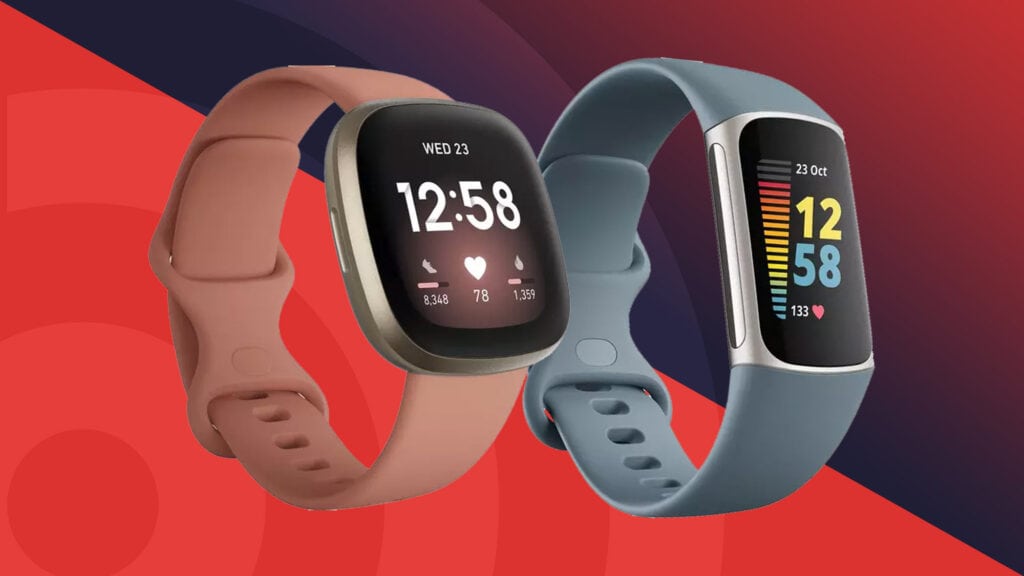
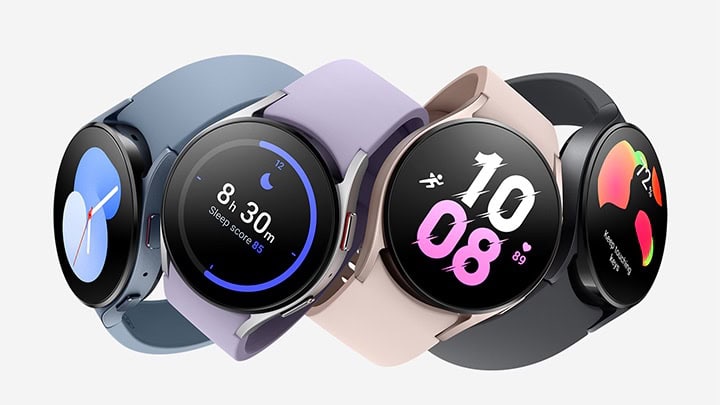
💡 Quick Answer: Fitness Trackers, such as Apple Watch, Garmin, Fitbit, Whoop, Oura Ring, Samsung Galaxy Watch, and many more are all HSA/FSA eligible when used to prevent, manage, and treat medical conditions including heart monitoring, diabetes management, sleep disorders, and chronic disease. According to IRS Publication 502, all you need is a Letter of Medical Necessity, and Crates Health gets you approved in minutes.
Looking for a specific brand?
Jump directly to our detailed guides with pricing, setup instructions, and model comparisons:
- Apple Watch HSA/FSA Guide →
- Whoop HSA/FSA Guide →
- Oura Ring HSA/FSA Guide →
- Garmin HSA/FSA Guide →
- Fitbit HSA/FSA Guide →
- Samsung Galaxy Watch Guide →
- Ultrahuman Ring Guide →
Note: Even if you do not see your specific fitness tracker, it is likely HSA/FSA eligible. You can shoot us an email at info@crateshealth.com if you have any questions.
The Quantified Health Revolution
We’re living through the biggest shift in personal health monitoring since the thermometer was invented. Twenty years ago, you needed a hospital to measure your heart rate variability. Ten years ago, you needed a sleep lab to track sleep stages. Today, a ring on your finger does both, plus 20 other biomarkers, for less than a monthly gym membership.
The numbers are staggering. One in five Americans wears a fitness tracker. Studies show that people with fitness trackers:
- Increase daily steps by 2,500 (40% increase)
- Lose 2x more weight than non-users
- Have 23% better medication adherence
- Detect AFib 98% accurately (Apple Watch)
- Identify COVID-19 infection 3 days before symptoms
This isn’t only about counting steps anymore. Modern wearables are FDA-cleared medical devices that detect heart conditions, predict illness, and manage chronic disease. Your Whoop isn’t just tracking workouts. It’s monitoring your autonomic nervous system. Your Oura Ring isn’t just counting sleep. It’s detecting fever before you feel sick.
Why Fitness Trackers Are HSA/FSA Eligible
The medical establishment is catching up to what quantified-selfers have known for years: continuous monitoring beats spot checks every time. A Stanford study found that wearables detected COVID-19 infection in 81% of cases before symptom onset. That’s not consumer tech. That’s a medical-grade early warning system.
Here’s what continuous monitoring catches that annual checkups miss:
- Silent AFib – Affects 6 million Americans, most undiagnosed
- Sleep apnea – 80% of cases undiagnosed
- Prediabetes progression – Track glucose patterns before diagnosis
- Overtraining syndrome – Prevent injury and burnout
- Chronic stress – HRV drops signal exhaustion
- Early infection – Temperature spikes 2-3 days before symptoms
The Apple Heart Study with 419,000 participants found that the Apple Watch correctly identified AFib 84% of the time. People discovered life-threatening conditions they didn’t know they had. Insurance companies are taking notice. Some now subsidize fitness trackers because the ROI is clear.
Your annual physical is a snapshot. A fitness tracker is the whole movie.
What the IRS Says
According to IRS Publication 502, fitness trackers qualify as eligible medical expenses when used for “diagnosis, cure, mitigation, treatment, or prevention of disease” and when they “affect any part or function of the body.”
The critical requirement: The device must be primarily to alleviate or prevent a physical or mental condition.
Medical Conditions That Qualify
Fitness trackers can qualify for HSA/FSA reimbursement when used to prevent or treat:
Cardiovascular Conditions
- Hypertension and high blood pressure
- Atrial fibrillation (AFib) and arrhythmias
- Heart disease and post-cardiac monitoring
- High cholesterol management
Metabolic and Chronic Conditions
- Diabetes and blood sugar management
- Obesity and weight management
- Metabolic syndrome and PCOS
- Chronic fatigue syndrome
Sleep and Mental Health
- Sleep apnea and insomnia
- Depression and anxiety disorders
- ADHD and attention disorders
- Chronic stress management
Preventive Care
- Family history of heart disease
- Fall risk monitoring (elderly)
- Pregnancy monitoring
- Post-surgical recovery tracking
The key requirement is that your healthcare provider must document the continuous health and biometric monitoring as medically necessary for managing your specific health condition. This documentation comes in the form of a Letter of Medical Necessity (LMN).
How to Get Your Fitness Tracker Covered
Traditional Route: Schedule an appointment with your primary care physician, discuss your health conditions and fitness goals, and request a Letter of Medical Necessity. This typically requires an office visit, potential wait times, and can cost $50-100+ depending on your insurance.
Faster, Smarter Route: Use Crates Health to get your Letter of Medical Necessity online in just a few minutes. Our platform connects you with licensed healthcare providers who can evaluate your conditions remotely and issue the appropriate documentation if you qualify. No office visits, no waiting weeks for appointments, and no surprise medical bills. And then you simply purchase the watch, upload your receipt, and reimbursement yourself in one-click directly from our platform. No more carrying your HSA/FSA card, no card declines at POS, and no messy receipt storage.
Which Fitness Trackers Are HSA/FSA Eligible?
Premium Health Monitoring
| Device | HSA Eligible | Price | Battery Life | Best For | Key Metrics |
|---|---|---|---|---|---|
| Whoop 5.0 | ✓ Yes with LMN | $239/year | 5 days | Athletes, recovery | HRV, strain, recovery |
| Oura Ring Gen4 | ✓ Yes with LMN | $299-599 | 7 days | Sleep, discrete | Temperature, HRV, sleep |
| Ultrahuman Ring AIR | ✓ Yes with LMN | $349 | 6 days | Metabolic health | Glucose, sleep, HRV |
Smartwatches with Medical Features
| Device | HSA Eligible | Price | Battery | Best For | Medical Features |
|---|---|---|---|---|---|
| Apple Watch Series 10 | ✓ Yes with LMN | $399+ | 18 hours | iPhone users | ECG, AFib, SpO2 |
| Samsung Galaxy Watch 7 | ✓ Yes with LMN | $299+ | 40 hours | Android users | ECG, BP, body comp |
| Fitbit Sense 2 | ✓ Yes with LMN | $249 | 6 days | Stress tracking | EDA, ECG, skin temp |
| Garmin Venu 3 | ✓ Yes with LMN | $449 | 14 days | Athletes | HRV, sleep coach |
Fitness-Focused Trackers
| Device | HSA Eligible | Price | Battery | Best For | Strengths |
|---|---|---|---|---|---|
| Garmin Forerunner 965 | ✓ Yes with LMN | $599 | 23 days | Runners | Training metrics |
| Polar Vantage M3 | ✓ Yes with LMN | $599 | 30 hours GPS | Endurance | Recovery pro |
| Coros Pace 3 | ✓ Yes with LMN | $229 | 30 days | Value | Battery life |
| Suunto 9 Peak Pro | ✓ Yes with LMN | $429 | 21 days | Adventure | Durability |
Budget-Friendly Options
| Device | HSA Eligible | Price | Battery | Best For | Key Features |
|---|---|---|---|---|---|
| Fitbit Charge 6 | ✓ Yes with LMN | $159 | 7 days | Beginners | Google integration |
| Xiaomi Mi Band 9 | ✓ Yes with LMN | $49 | 14 days | Basic tracking | Value king |
| Amazfit Band 7 | ✓ Yes with LMN | $49 | 18 days | Budget option | Alexa built-in |
| Garmin Vivosmart 5 | ✓ Yes with LMN | $149 | 7 days | Discrete | Safe for MRI |
Specialized Medical Wearables
| Device | HSA Eligible | Price | Purpose | FDA Status |
|---|---|---|---|---|
| KardiaMobile | ✓ Yes | $89 | AFib detection | FDA cleared |
| Dexcom G7 | ✓ Yes | $300/mo | Glucose monitoring | FDA approved |
| Omron HeartGuide | ✓ Yes | $499 | Blood pressure | FDA cleared |
| Muse 2 | ✓ Yes | $249 | Meditation/EEG | Medical device |
Which Tracker Is Right For You?
Here’s how to pick based on your specific health needs:
For Heart Conditions
Primary: Apple Watch Series 10 ($399+)
Why: FDA-cleared ECG, AFib detection, and blood oxygen monitoring. The Apple Heart Study with 419,000 participants found that Apple Watch correctly identified AFib 84% of the time.
Alternative: Samsung Galaxy Watch 7 for blood pressure monitoring or KardiaMobile for dedicated ECG
For Sleep Disorders
Primary: Oura Ring Gen4 ($299-599)
Why: Most accurate sleep staging, temperature sensing for illness detection, discrete design you can wear 24/7
Alternative: Whoop 5.0 for recovery focus
For Diabetes Management
Primary: Fitbit Sense 2 ($249)
Why: Activity tracking directly affects blood glucose levels. Stress monitoring via EDA sensor.
Add-on: Dexcom G7 for continuous glucose monitoring
Alternative: Ultrahuman Ring AIR for glucose insights without finger pricks
For Athletic Performance
Primary: Garmin Forerunner 965 ($599)
Why: Advanced training metrics, 23-day battery life, performance analytics
Alternative: Whoop 5.0 for recovery-focused athletes
For Stress and Anxiety
Primary: Fitbit Sense 2 ($249)
Why: EDA sensor for stress detection, guided breathing exercises, HRV tracking
Alternative: Apple Watch for mindfulness apps and meditation integration
For Budget-Conscious
Primary: Fitbit Charge 6 ($159)
Why: Good medical features, Google ecosystem integration, 7-day battery
Alternative: Xiaomi Mi Band 9 ($49) for basic tracking
For Comprehensive Health Monitoring
Primary: Oura Ring Gen4 ($299-599)
Why: Best sleep tracking, long battery, discrete, temperature sensing
Alternative: Whoop 5.0 for athletic focus or Ultrahuman Ring for metabolic insights
Deep Dive Brand Guides
Ready to make a decision? We’ve created comprehensive guides for each major fitness tracker brand covering pricing, all available models, HSA/FSA setup, and reimbursement processes:
Apple Watch HSA/FSA Eligible Complete Guide
FDA-cleared ECG, AFib detection, and blood oxygen monitoring. Best for iPhone users and heart health monitoring. Covers all models from SE to Ultra.
Whoop HSA/FSA Eligible Complete Guide
Subscription-based recovery tracking for serious athletes. Best-in-class HRV monitoring and strain tracking. Includes membership pricing and setup.
Oura Ring HSA/FSA Eligible Complete Guide
The gold standard for sleep tracking in a discrete ring form factor. Temperature sensing for illness detection and menstrual cycle tracking.
Garmin Watch HSA/FSA Eligible Complete Guide
Industry-leading battery life and training metrics. Covers Forerunner, Fenix, Venu, and vívoactive series for athletes of all levels.
Fitbit HSA/FSA Eligible Complete Guide
Budget-friendly options with Google integration. EDA stress sensor and guided breathing. Covers Sense, Versa, Charge, and Inspire lines.
Samsung Galaxy Watch HSA/FSA Eligible Complete Guide
The only consumer smartwatch with blood pressure monitoring. Body composition analysis and excellent battery life for Android users.
Ultrahuman Ring HSA/FSA Eligible Complete Guide
Continuous glucose insights combined with activity and sleep tracking. No subscription required. Ideal for metabolic health optimization.
The Bottom Line
We’re witnessing the democratization of medical monitoring. What required hospital visits and thousands of dollars now sits on your wrist for a few hundred bucks. More importantly, continuous monitoring catches what spot checks miss.
The medical establishment is catching up. Major health systems now integrate wearable data into patient records. Insurance companies offer discounts for activity tracking. Doctors recommend fitness trackers like medication. Because they work.
A Nature study found that wearables could save the healthcare system $200 billion annually through early detection and prevention. Your Whoop subscription isn’t a luxury. It’s preventive medicine. Your Oura Ring isn’t jewelry. It’s a 24/7 health monitor.
The future of medicine isn’t more doctor visits. It’s continuous monitoring that catches problems before they become problems. Your wearable is your check engine light for your body. And unlike your car, you can’t trade yourself in for a newer model.
Every day without health monitoring is a day of missing data. Your HSA exists for medical expenses. Preventing disease is the ultimate medical expense.
Ready to make your fitness tracker HSA/FSA eligible? Crates Health handles the Letter of Medical Necessity instantly and automates your reimbursements. Because monitoring your health shouldn’t be taxed.
Frequently Asked Questions
Are fitness trackers HSA eligible?
Yes, fitness trackers from brands like Apple Watch, Garmin, Fitbit, Whoop, and Oura Ring are HSA eligible when used to prevent, diagnose, or treat medical conditions. The IRS requires that the device be primarily for medical purposes, documented with a Letter of Medical Necessity.
Is Apple Watch HSA eligible?
Yes, Apple Watch is HSA eligible when used for medical purposes including heart monitoring (ECG, AFib detection), activity tracking for weight management, or many other chronic conditions. The IRS requires a Letter of Medical Necessity documenting your medical need. Read our complete Apple Watch HSA/FSA guide for specific models and setup instructions.
Is Whoop HSA eligible?
Yes, Whoop is HSA/FSA eligible when used for medical monitoring purposes including recovery tracking, overtraining prevention, and many other chronic conditions. Both the device and subscription are reimbursable. See our Whoop HSA eligibility guide for membership pricing and setup.
Is Oura Ring FSA eligible?
Yes, Oura Ring is FSA eligible for sleep tracking, illness detection, menstrual cycle monitoring, and many other chronic conditions. Both the ring purchase and monthly subscription qualify with a Letter of Medical Necessity. Read our Oura Ring complete guide.
Is Garmin watch HSA eligible?
Yes, Garmin watches are HSA eligible when used to track health metrics for medical purposes like cardiovascular monitoring, diabetes management, or fitness tracking for weight loss. All Garmin models including Forerunner, Venu, Fenix, and vívoactive qualify with proper medical documentation. See our Garmin HSA eligibility guide.
Is Fitbit HSA eligible?
Yes, Fitbit devices including the Charge 6, Sense 2, and Versa are HSA eligible when used for medical monitoring. Fitbit trackers help manage conditions like obesity, heart disease, diabetes, and sleep disorders. Read our complete Fitbit HSA guide.
Is Samsung Galaxy Watch FSA eligible?
Yes, Samsung Galaxy Watch is FSA eligible when used for health monitoring including blood pressure tracking, ECG, and body composition analysis. All Galaxy Watch models qualify with a Letter of Medical Necessity. See our Samsung Galaxy Watch guide.
Can I use HSA for fitness tracker subscriptions?
Yes, subscriptions for fitness trackers (like Whoop membership or Oura Ring subscription) are HSA eligible when the service is medically necessary. This includes coaching, health insights, and medical-grade analytics. Include your subscription receipts with your Letter of Medical Necessity when submitting for reimbursement.
What medical conditions qualify for fitness tracker HSA coverage?
Fitness trackers qualify for HSA coverage when used to manage cardiovascular conditions (hypertension, AFib, heart disease), metabolic conditions (diabetes, obesity, PCOS), sleep disorders (sleep apnea, insomnia), mental health (anxiety, depression), chronic conditions (fibromyalgia, arthritis), or preventive care (family history of heart disease, fall risk).
Do I need a separate Letter of Medical Necessity for each device?
Yes! An LMN is written for one product and one specific health condition. Crates Health can help you get personalized LMNs fit to your health profile in minutes online.