What is Fitbit
Fitbit helped popularize the fitness tracker category, and while Apple Watch and Garmin have grabbed headlines, Fitbit still focuses on everyday activity and sleep tracking. Now owned by Google, Fitbit offers everything from the screenless Air to the Charge 6 and Sense 2, with US prices starting around $100.
Google's own Pixel Watch runs Fitbit's health features and qualifies the same way.
You don’t need to be a serious athlete or tech enthusiast to benefit from a Fitbit. Models such as Charge 6 track your activity automatically, with sleep stages, heart rate zones and smartphone notifications built in. The screenless Air puts that information in the Google Health app, formerly the Fitbit app.
The Fitbit Heart Study, published in Circulation, followed 455,699 adults without known atrial fibrillation. Its algorithm flagged irregular rhythms for follow-up with an ECG patch. Fitbit received FDA clearance for the irregular-rhythm algorithm. Findings like these are useful to discuss with your provider. The medical purpose your provider documents is what makes your Fitbit HSA/FSA eligible.
If you want a watch focused on pace, distance and workout time, our COROS sports watch guide covers that lineup. If price comes first, our Amazfit guide covers everyday smartwatches from about $80.
Why Fitbit Qualifies for HSA/FSA Eligibility
IRS Publication 502 includes medical expenses for the “diagnosis, cure, mitigation, treatment, or prevention of disease.” Your provider connects the tracking features to a specific health condition. Buying a tracker just for general wellness does not meet that medical-purpose test.
In September 2026, the IRS added a question about wearables, bands and watches included, to its FAQ on nutrition, wellness and general health. A Fitbit counts as a medical expense when you buy and use it “primarily to assist in the diagnosis, cure, mitigation, treatment, or prevention of a specific disease.” A medical practitioner’s recommendation and your symptoms, diagnosis or risk factors help show that purpose. Your Letter of Medical Necessity is where your provider documents it.
Fitbit devices qualify for HSA/FSA reimbursement with an LMN when their tracking supports a health condition. Here are some common examples a provider can document:
- Obesity and weight management: Activity goals and exercise logging help you follow a movement plan. A JAMA Network Open review found that trackers combined with support from a health professional were associated with higher activity in adults with cardiometabolic conditions, including obesity.
- Cardiovascular disease: Heart-rate trends and activity records give you and your provider a way to follow an exercise plan. The same review included adults with cardiovascular disease, and its combined result linked tracker programs with higher activity.
- Type 2 diabetes and prediabetes: Step counts and exercise logs help you keep track of activity used in your care plan. That review of wearable activity trackers also enrolled adults with type 2 diabetes or at risk of it; the tracker records movement rather than measuring blood sugar.
- Atrial fibrillation: The ECG app on Charge 6 lets you record a heart-rhythm assessment to share with your provider. Its irregular-rhythm notification feature looks for possible AFib while you are still or asleep.
- Sleep disorders such as insomnia: Sleep timing and duration records can help you discuss patterns with your provider. NHLBI says your doctor may ask you to keep a sleep diary during insomnia treatment; Fitbit's estimates can sit alongside your notes about how you slept.
- Hypertension: Activity reminders and exercise records help you keep up with a movement plan. NHLBI notes that physical activity can help lower and control high blood pressure; the tracker logs the activity, it doesn't read your blood pressure.
- Depression and anxiety: When movement is part of your care, steps and activity goals help you keep it in your routine. A 2026 review pooling exercise trials in the British Journal of Sports Medicine found that exercise reduced depression and anxiety symptoms.
The key requirement is that your healthcare provider must document the health monitoring device as medically necessary for managing your specific health condition, not just for general wellness. This documentation comes in the form of a Letter of Medical Necessity (LMN). Another condition counts too when your provider connects Fitbit’s tracking to your care.
How to Get Fitbit Covered With a Letter of Medical Necessity
You have two ways to get your Fitbit letter:
- Through Crates, typically in under 24 hours. Take the 2-minute online health assessment. A licensed provider reviews it and, if you qualify, issues your Fitbit letter. Your Crates letter covers 12 months. If you have a subscription or keep buying the product, we remind you before your letter ends, and renewing your letter takes one tap. A one-time purchase needs no letter renewal. Crates plans start at $39 a year for one product's letter; Unlimited is $99 a year.
- Through your own doctor, a few days to a few weeks. Book a visit and explain how you want to use Fitbit to help prevent, manage, or reverse your condition. Ask for a signed, dated letter. You may owe a copay.
How to Buy Fitbit With HSA/FSA Funds
You can buy your Fitbit wherever you like, then claim the eligible expense. Follow these three steps:
- Get your Letter of Medical Necessity first. Use Crates or your own doctor, as described above.
- Buy your Fitbit anywhere. Pay with your personal card, online or in store, and keep the itemized receipt showing the device and amount paid.
- Get your money back. Crates one-click reimbursement files the claim for you, or upload the letter and receipt yourself. For an HSA, keep both with your tax records.
Already bought a Fitbit? Under Crates guidance, a new LMN covers purchases from its issue date forward, so it will not reach back to that purchase. Get your letter before your next purchase. Our HSA vs. FSA guide explains how the two accounts differ.
Which Fitbit Models Are HSA/FSA Eligible
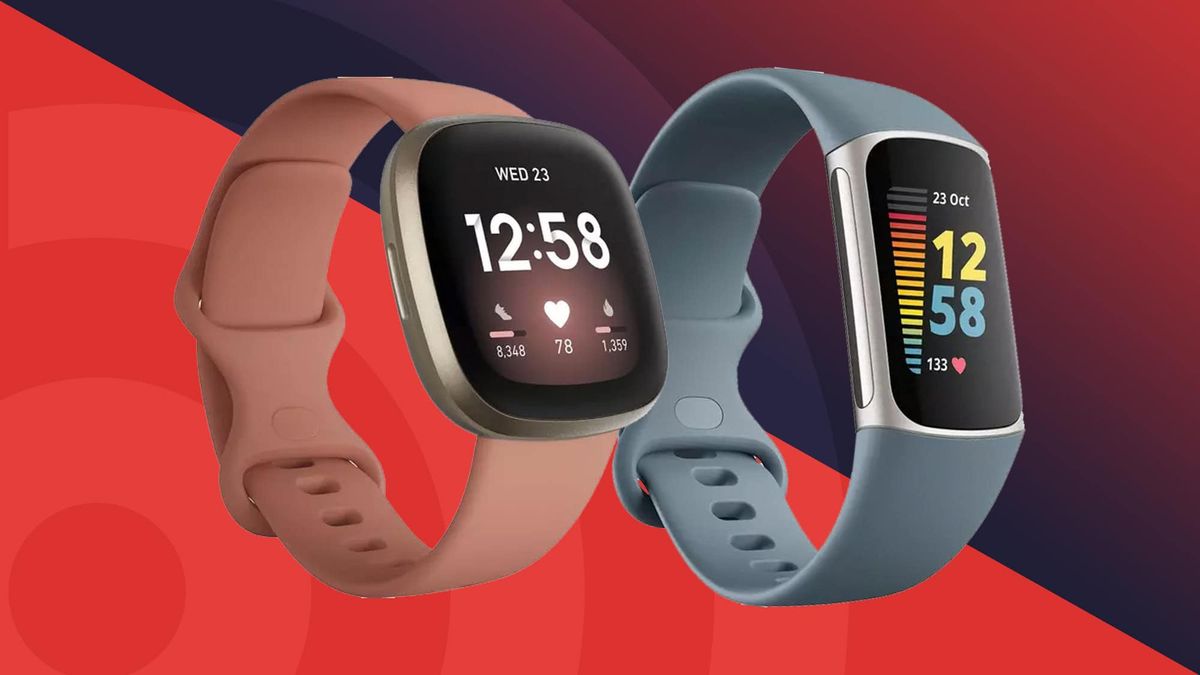
Every Fitbit with health monitoring, including Charge 6, Inspire 3, Sense 2, Versa 4, Edge and Air, qualifies for HSA/FSA reimbursement with a Letter of Medical Necessity for a documented health condition.
Special editions qualify with an LMN, like the other models, when their tracking serves your condition. Prices below are Google Store US list prices, checked October 27, 2026.
Current Fitbit Models
| Model | Approx. US price | What you get | HSA/FSA eligibility |
|---|---|---|---|
| Fitbit Inspire 3 | $100 | Compact activity and sleep tracker | Yes, with an LMN |
| Fitbit Charge 6 | $160 | Activity tracker with GPS and ECG app | Yes, with an LMN |
| Fitbit Sense 2 | $250 | Smartwatch with ECG app and stress sensing | Yes, with an LMN |
| Fitbit Versa 4 | $200 | Fitness smartwatch with GPS and sleep tracking | Yes, with an LMN |
| Google Fitbit Edge | From $180 | Activity tracker with a display and heart-rate tracking | Yes, with an LMN |
| Google Fitbit Air | From $100 | Screenless activity and sleep tracker | Yes, with an LMN |
Older models still count: Charge 5, Versa 3, and the original Sense qualify with an LMN when their tracking serves your documented condition. Your medical purpose matters more than the model year.
The models differ in features, not in how strong your medical purpose has to be. Compare Google’s pages for Inspire 3, Charge 6, Sense 2, Versa 4, Edge and Air for the features each one includes.