Why Are Cold Plunges HSA/FSA Eligible?
A cold plunge becomes medical equipment when cold-water immersion serves a specific health condition. The same tub might otherwise be part of someone's morning routine. A Letter of Medical Necessity (LMN) documents the health purpose behind your purchase.
IRS Publication 502 defines medical expenses around the “diagnosis, cure, mitigation, treatment, or prevention of disease.” It includes equipment needed for those purposes. That is the basis for cold plunge eligibility: what the tub does for your condition, rather than its price, brand, or recovery label.
For example, a provider might recommend cold-water immersion to manage recurring muscle soreness that interferes with your activities. The letter connects that symptom to the equipment. Buying a tub simply to feel refreshed or improve general fitness is a different purpose.
The medical-purpose principle applies to both accounts. Our HSA vs. FSA guide explains their different funding and spending rules. Cold plunges also sit within the broader family of health tech and recovery tools.
Do Cold Plunges Work?
Cold-water immersion helps reduce muscle soreness after strenuous exercise. A systematic review of 52 studies found less soreness 24 hours after high-intensity exercise compared with passive recovery.
The cold temporarily narrows blood vessels, which can reduce swelling and inflammation, as Cleveland Clinic explains. A tub gives you a way to immerse the affected muscles instead of cooling one small spot with an ice pack.
Stress and sleep show promise too. A 2025 review of 11 studies in healthy adults found less stress 12 hours after a plunge, plus better sleep quality and quality of life. Research in people with diagnosed conditions is smaller and newer, so your letter focuses on the symptom the cold water helps you manage.
What Conditions Make a Cold Plunge HSA/FSA Eligible?
Here are some common conditions a provider can document for a cold plunge. Muscle soreness has the most research behind it.
- Delayed-onset muscle soreness (DOMS): These are the aches that develop after demanding or unfamiliar exercise. When recurring soreness limits normal movement or daily activities, cold-water immersion can be part of managing the pain. A review of 44 studies found immersion reduced muscle soreness compared with control conditions. The letter documents your symptoms and the reason a cold plunge helps, rather than a general goal of training harder.
- Gout arthritis: Gout causes painful flares in the joints, and cool water can calm that pain and inflammation. In a randomized trial of 76 people with acute gout, participants soaked in 68 to 86°F water for 20 minutes a day. Pain eased and joint mobility improved within two weeks. A plunge with temperature control can hold that range.
- Multiple sclerosis heat sensitivity: Heat can temporarily worsen MS symptoms, which makes exercise harder. In a study of six heat-sensitive people with MS, participants soaked their lower body in 61 to 63°F water for 30 minutes before exercise. That kept core temperature down and limited fatigue and walking decline. Your provider sets the temperature, since some people with MS react to cold as well.
- Depression, alongside your regular care: Cold-water immersion is being studied as an add-on to depression treatment. In a small study of outpatients with depression, those who kept up twice-weekly supervised cold-water swimming saw well-being scores rise. A provider may document a plunge as an add-on to treatment, never a replacement.
These are examples, not a closed list: if cold-water immersion helps prevent, manage, or reverse another condition you have, a licensed provider can document that connection in your letter.
How to Get a Letter of Medical Necessity for a Cold Plunge
You can get your letter online through Crates or from your own doctor.
- Through Crates, typically in under 24 hours: Complete a 2-minute eligibility assessment. A licensed provider reviews your information and, if you qualify, issues your letter. It stays valid for 12 months and renews each year.
- Through your own doctor, a few days to a few weeks: Book a visit, say you want to buy a cold plunge with HSA/FSA funds, and ask them to document how it helps prevent, manage, or reverse your condition. Make sure it's signed and dated. You may owe a copay.
How to Buy a Cold Plunge With HSA/FSA Funds
Buy your cold plunge wherever you prefer and get money back from your HSA or health FSA. You can shop directly with a manufacturer or use another retailer.
- Get your Letter of Medical Necessity first, through Crates or your own doctor, as covered above. Under Crates guidance, your purchase must happen on or after the letter's issue date and during its coverage period.
- Buy the cold plunge anywhere. Pay with your personal card, online or in store, and keep the itemized receipt showing the tub and amount paid.
- Get your money back. Crates one-click reimbursement files the claim for you, or upload the letter and receipt yourself. For an HSA, keep both with your tax records.
Which Types of Cold Plunges Are HSA/FSA Eligible?
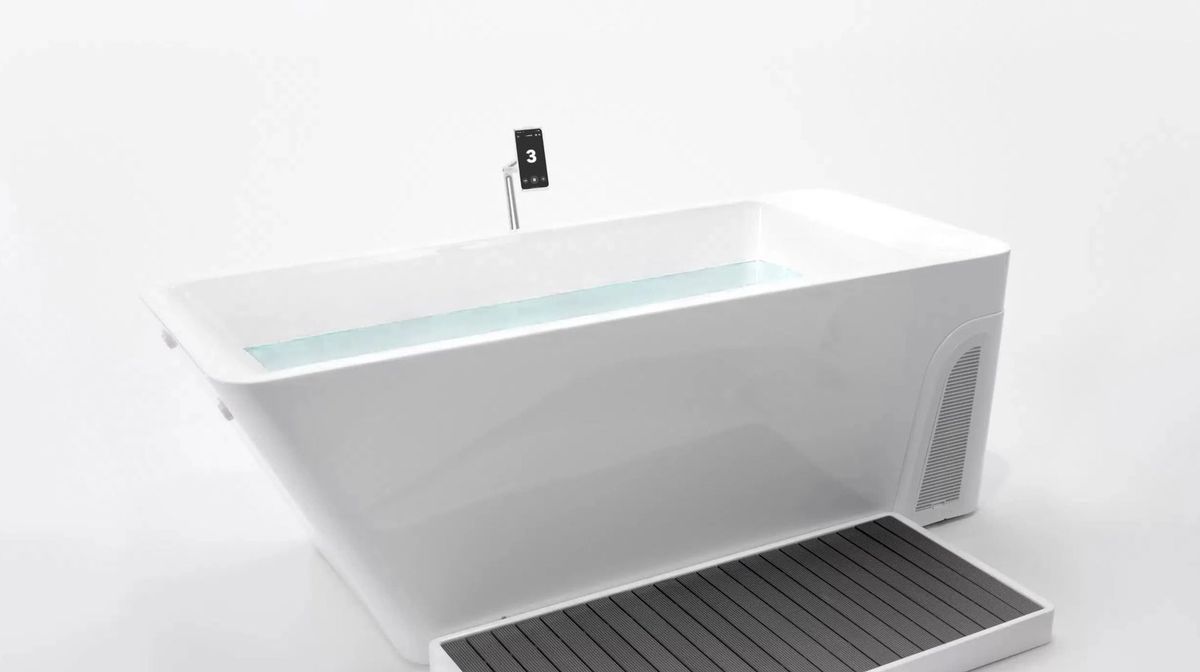
Every cold plunge brand qualifies the same way, including Ice Barrel, Plunge, and The Cold Life: with a letter connecting the tub to your condition. The practical choice is how you want to cool the water and use the tub.
| Type | How it works | What to consider |
|---|---|---|
| Ice-cooled tub | Cold water and added ice provide the cooling | Filling, adding ice, and draining between uses |
| Tub with a separate chiller | A powered unit cools and circulates the water | Room for the tub, chiller, and connecting hoses |
| Tub with integrated cooling | Cooling equipment is built into the system | Overall footprint and access for cleaning |
Mayo Clinic describes cold-water immersion ranging from a simple ice-filled bath to purpose-built tanks that can cost up to $20,000. Choose equipment around the immersion your provider recommends and the space you have.
If you are considering heat therapy alongside cold immersion, our sauna eligibility guide covers that separate purchase.
How Much Can You Save on a Cold Plunge?
A $2,000 eligible cold plunge saves about $600 at a combined tax rate near 30%. That is money you keep by using tax-advantaged funds. The combined rate can include federal income tax, state income tax, and payroll taxes where your contribution arrangement allows.
Each figure below is the example purchase price multiplied by the combined rate at the top of its column.
| Example purchase price | Savings at 20% | Savings at 25% | Savings at 30% |
|---|---|---|---|
| $500 | $100 | $125 | $150 |
| $1,000 | $200 | $250 | $300 |
| $2,000 | $400 | $500 | $600 |
| $4,000 | $800 | $1,000 | $1,200 |
These are illustrative prices and rates, not current offers. You still pay the seller the full price. Your tax benefit depends on your taxes and how you contribute to the account; IRS Publication 969 explains the federal treatment. Provider or letter fees are separate from these examples.