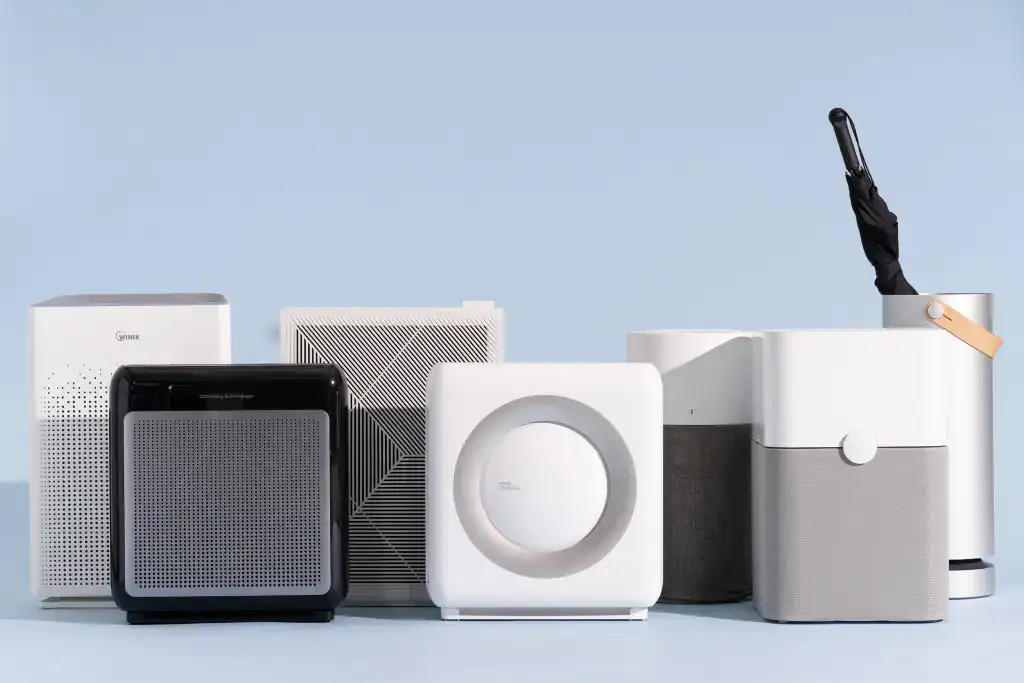
Yes, air purifiers are HSA and FSA eligible when you have a Letter of Medical Necessity (LMN) from a licensed healthcare provider. The IRS classifies air purifiers as “dual-purpose” items – meaning they can be used for general wellness or medical treatment, so documentation proving medical necessity is required before you can use pre-tax funds.
If you have or are trying to prevent asthma, allergies, COPD, or another qualifying health condition, you could save 30-40% on your air purifier purchase by using your HSA or FSA. On a $500 air purifier, that’s $150-200 back in your pocket.
This guide covers everything you need to know: qualifying conditions, how to get an LMN (including an instant option), what your LMN should include, and how to maximize your tax savings.
The Short Answer: Yes, Air Purifiers Are HSA/FSA Eligible
Air purifiers qualify as eligible medical expenses under IRS guidelines when purchased to prevent, manage, or reverse a specific health condition. According to IRS Publication 502, you can include medical expenses for “equipment or supplies required for medical care” in your qualified expenses.
The key requirement is that the air purifier must be medically necessary, not just purchased for general comfort. This is where the Letter of Medical Necessity comes in. Your LMN documents the connection between your health condition and the need for an air purifier.
Important timing note: Your LMN must be issued BEFORE you make your purchase. You cannot retroactively reimburse a past purchase with a newly obtained LMN. The purchase date must be on or after your LMN issue date.
Replacement filters are also eligible and can be included in your LMN documentation, whether purchased individually or through a subscription service.
Do Air Purifiers Actually Work? What the Research Says
Before diving into eligibility details, it’s worth understanding why air purifiers are considered medically beneficial and why the IRS allows them as qualified expenses when medically necessary.
The Environmental Protection Agency notes that Americans spend approximately 90% of their time indoors, where air pollution concentrations can be 2 to 5 times higher than typical outdoor levels. For people with respiratory conditions, this indoor air quality directly impacts symptom severity and quality of life.
According to the EPA’s technical guidance, portable air cleaners with HEPA filters “can help reduce indoor air pollution” and “several studies using portable HEPA air cleaners have demonstrated small improvements in cardiovascular and respiratory health.”
Clinical Evidence for Asthma
A 2021 study published in the Journal of Thoracic Disease found that HEPA air purifiers decreased indoor house dust mite allergen levels and particulate matter while improving quality of life scores in patients with allergic asthma. The researchers concluded that air purifier therapy showed measurable clinical benefit over the six-month study period.
A meta-analysis in the International Archives of Allergy and Immunology reviewed ten clinical trials and found statistically significant improvements in Asthma Quality of Life Questionnaire (AQLQ) scores and reductions in fractional exhaled nitric oxide (FeNO) levels – a marker of airway inflammation – among patients using air purification.
Clinical Evidence for Allergies
Research published in Indoor Air journal (2024) conducted a systematic review and meta-analysis of air filter effectiveness for allergic rhinitis patients. The pooled analysis found that air filters produced meaningful reductions in both nighttime and daytime symptom scores.
The American Lung Association recommends portable air cleaners with HEPA filters as part of a comprehensive approach to improving indoor air quality, particularly for individuals with respiratory sensitivities.
What HEPA Filtration Actually Removes
True HEPA filters capture at least 99.97% of airborne particles 0.3 microns or larger, according to the EPA’s HEPA filter definition. This includes common respiratory triggers such as dust mite debris, pollen, mold spores, pet dander, and fine particulate matter (PM2.5).
The Asthma and Allergy Foundation of America (AAFA) operates a certification program that independently tests air cleaners against strict standards for allergen reduction. Products earning the Asthma & Allergy Friendly® certification have been scientifically validated to reduce airborne allergens without producing harmful ozone levels.
What Health Conditions Qualify for an HSA-Eligible Air Purifier?
The IRS doesn’t publish a specific list of conditions that qualify for air purifier eligibility. Instead, your healthcare provider determines whether an air purifier is medically necessary for your specific situation. That said, conditions commonly associated with air purifier medical necessity include:
- Respiratory conditions: Asthma, chronic obstructive pulmonary disease (COPD), chronic bronchitis, emphysema, cystic fibrosis, and pulmonary fibrosis are conditions where reducing airborne irritants can help prevent, manage, and reverse symptoms.
- Allergic conditions: Seasonal allergies, environmental allergies, pet allergies, and allergic rhinitis involve immune responses to airborne particles that air purifiers can help reduce.
- Immune and inflammatory conditions: People with compromised immune systems, autoimmune conditions affecting the respiratory system, or chronic inflammatory conditions may benefit from reduced exposure to airborne pathogens and irritants.
- Environmental sensitivities: Multiple chemical sensitivity, mold sensitivity, and reactions to volatile organic compounds (VOCs) are conditions where air purification can reduce symptom triggers.
- Cardiovascular conditions: Research has linked air quality to cardiovascular health, and patients with heart disease may qualify if their provider documents the medical connection. A study in the American Heart Association’s journal Circulation found associations between particulate matter exposure and cardiovascular events.
- Pregnancy-related concerns: In some cases, providers may document air quality concerns during pregnancy as medically necessary, particularly in areas with poor outdoor air quality.
If you have or are trying to prevent a health condition that your healthcare provider believes would benefit from improved indoor air quality, you likely qualify. The key is proper documentation through a Letter of Medical Necessity.
What Is a Letter of Medical Necessity (LMN) and What Should It Include?
A Letter of Medical Necessity is a document from a licensed healthcare provider that certifies a specific medical item or service is necessary to prevent, manage, or reverse a health condition. For HSA/FSA purposes, the LMN serves as your proof that the air purifier isn’t just a comfort purchase, it’s a medical expense.
The IRS requires LMNs for “dual-purpose” items under Treasury Regulation 1.213-1(e)(1)(iii). Since air purifiers can be used for general wellness or medical treatment, you need documentation establishing the medical purpose.
What Your LMN Should Include
An effective LMN for an air purifier should contain the following elements:
- Patient identification including your full legal name and date of birth, ensuring the document clearly applies to you.
- Specific health condition with the condition or conditions that necessitate the air purifier. Ideally, this includes the ICD-10 diagnosis code (for example, J45.20 for mild intermittent asthma or J30.1 for allergic rhinitis due to pollen).
- Medical necessity statement explaining how the air purifier will help prevent, manage, or reverse symptoms of your condition. This should be specific – not just “patient may benefit from cleaner air” but rather “patient requires HEPA air filtration to reduce exposure to dust mite allergens that trigger asthma exacerbations.”
- Equipment covered clearly listing both the air purifier and replacement filters as medically necessary items. This ensures your ongoing filter purchases are covered under the same documentation.
- Provider recommendation clearly stating that the provider recommends an air purifier as part of the patient’s treatment plan.
- Provider credentials and signature including the provider’s name, medical license number, practice address, phone number, and signature with date.
- Duration of necessity indicating how long the air purifier is medically necessary. LMNs are typically valid for 12 months and require renewal for ongoing eligibility.
LMN vs. Prescription: Understanding the Difference
A common point of confusion: you need an LMN, not a prescription. Prescriptions are typically for medications or specific medical devices dispensed by pharmacies. An LMN is a broader document that establishes medical necessity for items that wouldn’t normally require a prescription.
Your doctor doesn’t write a prescription for an air purifier the way they would for medication. Instead, they document why an air purifier is medically necessary for preventing, reversing, or managing your specific health condition.
Common LMN Mistakes to Avoid
Too vague: Statements like “patient would benefit from improved air quality” or “air purifier recommended for general health” won’t satisfy most HSA administrators. The LMN must connect a specific health condition to the air purifier.
Missing health condition: Without a named health condition, there’s no basis for medical necessity. Make sure your provider includes your actual health condition.
Wrong equipment: If your LMN says “air filtration device” but you purchase a humidifier, you may have issues. Be specific about the type of equipment.
Filters not included: Ensure your LMN covers both the air purifier and replacement filters to avoid separate documentation requirements later.
Expired documentation: LMNs are typically valid for 12 months. Keep your documentation current, especially for ongoing filter purchases.
How to Get a Letter of Medical Necessity for Your Air Purifier
You have two main paths to obtaining an LMN: through your existing healthcare provider or through a telehealth service that specializes in HSA/FSA eligibility.
Remember: Your LMN must be issued BEFORE you make your purchase. Plan ahead to ensure your documentation is in place.
Option 1: Through Your Doctor
If you have an established relationship with a physician, allergist, pulmonologist, or other provider who manages your respiratory or allergic condition, they can write your LMN.
Schedule an appointment (in-person or telehealth) and discuss how your indoor environment affects your symptoms. Explain that you’re looking to purchase an air purifier using HSA/FSA funds and need documentation of medical necessity. Most providers are familiar with LMNs and can prepare one during or shortly after your visit.
The timeline varies. Some offices provide same-day letters, while others may take a week or more. You may also have a copay or office visit fee depending on your insurance.
Option 2: Through Crates (Instant LMN + Easy Reimbursement)
If you don’t have an existing provider relationship, can’t get a timely appointment, or prefer a streamlined process, Crates offers an instant LMN service specifically designed for HSA/FSA eligible purchases.
The process takes about 2-3 minutes: you complete a health assessment online, a licensed provider reviews your information, and if you qualify, your LMN is issued within 24-48 hours. Your LMN from Crates covers both the air purifier and replacement filters.
How the Crates reimbursement process works:
Many retailers don’t accept HSA/FSA cards directly, which is why Crates recommends a simpler approach. Purchase your air purifier with your personal credit or debit card, then use Crates’ one-click reimbursement feature. Upload your receipt, click reimburse, and we process the claim through your HSA/FSA administrator. The money goes directly from your HSA/FSA account into your bank account.
This approach gives you flexibility to buy from any retailer while still getting your full tax savings.
Automatic LMN renewal: Since LMNs are valid for 12 months, Crates automatically renews your documentation so you maintain eligibility for ongoing filter purchases and future air purifier replacements without having to remember renewal dates.
How Much Can You Save Using HSA/FSA for an Air Purifier?
When you pay for a medical expense with HSA or FSA funds, you’re using pre-tax dollars. This means you effectively get a discount equal to your marginal tax rate.
Here’s how the math works at different price points and tax brackets:
$200 air purifier:
- 22% tax bracket: $44 saved
- 30% combined rate (federal + state): $60 saved
- 35% tax bracket: $70 saved
$500 air purifier:
- 22% tax bracket: $110 saved
- 30% combined rate: $150 saved
- 35% tax bracket: $175 saved
$800 premium air purifier:
- 22% tax bracket: $176 saved
- 30% combined rate: $240 saved
- 35% tax bracket: $280 saved
These savings apply to replacement filters too. If you spend $100-150 per year on filters, that’s an additional $30-50+ in annual tax savings.
For FSA holders specifically, remember the “use it or lose it” rule. Unspent FSA funds typically expire at year-end (though some plans offer a grace period or limited rollover). An air purifier purchase is a practical way to use expiring funds on something that provides ongoing health benefit.
What About Air Purifier Filters: Are They HSA Eligible Too?
Yes, replacement filters for your air purifier are HSA/FSA eligible. When you get your LMN through Crates, both the air purifier and replacement filters are included in your documentation.
Both one-time filter purchases and filter subscriptions qualify for reimbursement. The key is having valid LMN documentation in place before each purchase.
Since LMNs are typically valid for 12 months, you’ll need to renew your documentation for ongoing filter purchases. If you use Crates, your LMN is automatically renewed so you don’t have to worry about tracking expiration dates.
Reimbursement process for filters: Purchase your filters with your personal card from any retailer, then submit for reimbursement through Crates’ one-click process or directly through your HSA/FSA administrator with your LMN and receipt.
What to Look for in an Air Purifier
Not all air purifiers are created equal. When selecting a unit to purchase with HSA/FSA funds, focus on these specifications:
CADR Rating (Clean Air Delivery Rate)
CADR measures how quickly an air purifier can filter air in a specific room size. The Association of Home Appliance Manufacturers (AHAM) certifies CADR ratings for smoke, dust, and pollen.
For medical use, look for a CADR of at least 200-300, and match the rating to your room size. A unit rated for a larger room can run on lower (quieter) settings while still providing adequate filtration.
Filter Type
True HEPA filters meeting the DOE standard capture 99.97% of particles 0.3 microns and larger. Look for “True HEPA” or “HEPA” designation. Avoid “HEPA-like” or “HEPA-style” filters that don’t meet the full standard.
Activated carbon filters absorb gases, odors, and volatile organic compounds (VOCs). If chemical sensitivities are part of your condition, look for units with substantial carbon filtration.
Combination filters address both particles and gases, providing more comprehensive protection.
Certifications Worth Looking For
AHAM Verified means the CADR rating has been independently tested and certified, not just claimed by the manufacturer.
AAFA Certified Asthma & Allergy Friendly® indicates the product has passed rigorous testing for allergen reduction and doesn’t produce harmful ozone levels. This certification is particularly relevant for HSA/FSA purchases since it validates the medical benefit.
CARB Certified (California Air Resources Board) confirms the unit meets California’s strict ozone emission standards.
Energy Star certification indicates energy efficiency. This is relevant if you’ll run the unit continuously as often recommended for respiratory conditions.
Frequently Asked Questions
Are air purifiers eligible for HSA?
Yes, air purifiers are HSA eligible when you have a Letter of Medical Necessity (LMN) from a licensed healthcare provider documenting that the air purifier is needed to prevent, manage, or reverse a specific health condition. The IRS considers air purifiers “dual-purpose” items, so documentation proving medical necessity, not just general wellness benefit, is required. Your LMN must be issued before you make your purchase.
Can I buy a Dyson air purifier with HSA?
Yes, any brand of air purifier is HSA eligible with a valid LMN. This includes Dyson, Levoit, Blueair, Molekule, and any other brand. The brand doesn’t affect eligibility, the LMN does. You can purchase from any retailer using your personal card, then submit the receipt and LMN for reimbursement through your HSA/FSA administrator or use Crates’ one-click reimbursement.
Are air purifier filters HSA eligible?
Yes, replacement filters are HSA eligible when covered by your LMN. Both one-time purchases and subscription deliveries qualify for reimbursement. Make sure your LMN specifically mentions replacement filters (LMNs from Crates include both the air purifier and filters). Since LMNs are valid for 12 months, you’ll need current documentation for ongoing filter purchases.
Can a doctor write a prescription for an air purifier?
What you actually need is a Letter of Medical Necessity (LMN), not a traditional prescription. Prescriptions are typically for medications dispensed by pharmacies. An LMN is a document from your healthcare provider stating that the air purifier is medically necessary for your specific health condition. Most providers familiar with HSA/FSA requirements know how to write an LMN, or you can get one through Crates.
What if my HSA claim gets denied?
If your HSA administrator denies your air purifier purchase, review their specific reason for denial. Common issues include missing or insufficient LMN documentation, expired LMN dates, the LMN not clearly connecting your health condition to the air purifier need, or attempting to reimburse a purchase made before the LMN was issued.
To appeal, gather additional documentation: an updated LMN with more specific language, clinical notes from your provider, or a letter explaining the medical necessity in greater detail. Contact your HSA administrator for their formal appeal process. Alternatively, if you use Crates, we will support you through the appeal process.
How long is an LMN valid?
LMNs are typically valid for 12 months and require renewal for ongoing eligibility. This is particularly important for filter purchases. If you use Crates, your LMN is automatically renewed so you maintain continuous eligibility without tracking expiration dates.
Do I need a new LMN for replacement filters?
Your original LMN should cover replacement filters if it specifically mentions them. LMNs from Crates include both the air purifier and filters. However, since LMNs expire after 12 months, you’ll need current documentation for ongoing filter purchases. Crates handles this automatically with their renewal feature.
Can I use my HSA for a humidifier?
Yes, humidifiers are also HSA/FSA eligible with appropriate documentation. Like air purifiers, humidifiers are considered dual-purpose items requiring an LMN. If you need both an air purifier and humidifier, your LMN should mention both devices.
Can I get reimbursed for an air purifier I already bought?
Unfortunately not. Your LMN must be issued BEFORE you make your purchase. You cannot retroactively reimburse a past purchase with a newly obtained LMN. The purchase date must be on or after your LMN issue date. If you’re planning to buy an air purifier, get your LMN first.