What is Anytime Fitness
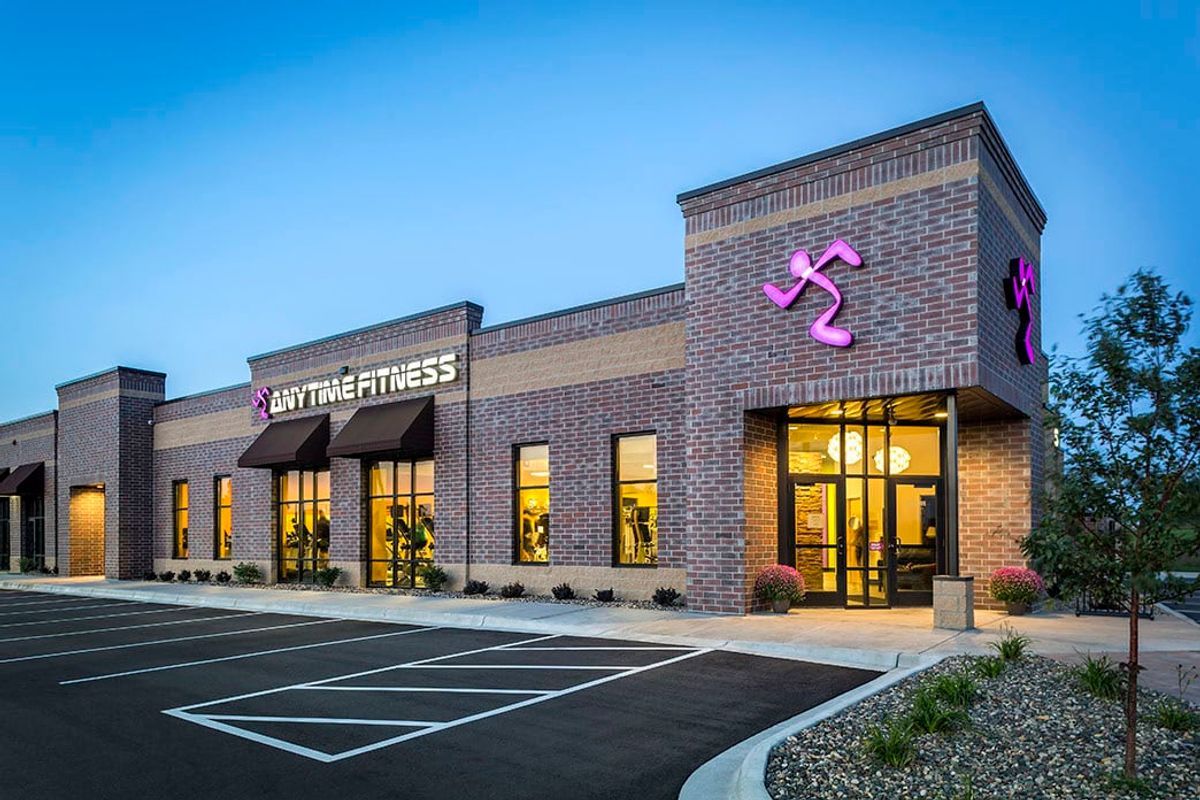
Anytime Fitness is a 24/7 gym franchise with more than 6,000 locations worldwide. Its core promise is round-the-clock access with a key fob or an access pass in the AF app. Whether you’re traveling for work, visiting family across the country, or just prefer working out at 3 AM, your membership travels with you. For HSA/FSA coverage, a Letter of Medical Necessity connects that membership to your health condition.
Each club is independently owned and operated, which means locations vary in size and amenities. You’ll find cardio and strength equipment, with personal training and group training available at many clubs. Some locations also have functional training areas with turf, racks, and free weights. The equipment, facilities and coaching services vary by location.
This isn’t just about convenience. The CDC estimates that 110,000 deaths a year could be prevented if U.S. adults 40 and older added 10 minutes of moderate-to-vigorous activity a day. A 2011 meta-analysis in Circulation linked 150 minutes of moderate leisure-time activity per week with 14% lower coronary heart disease risk than no leisure-time activity. That is easier when you can fit a workout around a late shift instead of the gym’s closing time.
Why Anytime Fitness Qualifies for HSA/FSA
Anytime Fitness qualifies the same way other gym memberships do: in your Letter of Medical Necessity, a licensed provider connects the membership to a specific health condition. That documented purpose is what makes it HSA/FSA eligible.
IRS Publication 502 includes “diagnosis, cure, mitigation, treatment, or prevention of disease” in its definition of medical expenses. Your letter explains the medical reason for your membership, rather than general fitness alone.
For gym memberships specifically, the IRS wellness FAQ treats a membership as a medical expense when it was purchased for “the sole purpose of affecting a structure or function of the body (such as a prescribed plan for physical therapy to treat an injury) or the sole purpose of treating a specific disease diagnosed by a physician (such as obesity, hypertension, or heart disease).”
A 2024 BMJ meta-analysis included 218 trials with 14,170 people meeting clinical thresholds for depression. Walking or jogging, strength training and mixed aerobic exercise reduced symptoms compared with active controls, though confidence in the evidence was low or very low. For physical conditions, the CDC’s diabetes prevention program combines physical activity with healthier eating and other lifestyle changes for people at risk of type 2 diabetes.
Here are some common conditions a provider can connect to your Anytime Fitness membership. The right exercises depend on your health needs:
- Obesity: NHLBI includes physical activity in weight-management care.
- Cardiovascular disease and hypertension: Regular activity strengthens the heart muscle and helps lower blood pressure.
- Type 2 diabetes and prediabetes: Activity helps manage blood sugar and is part of the CDC’s prevention program.
- Depression and anxiety: MedlinePlus says exercise can improve your mood, help you manage anxiety and reduce your risk of depression.
- Chronic back pain: NIAMS recommends regular exercise that keeps your back muscles strong and says strengthening exercises can help decrease pain.
- Arthritis: The CDC says physical activity reduces arthritis pain and improves physical function.
- Osteoporosis and osteopenia: NIAMS recommends appropriately chosen weight-bearing and resistance exercise for bone health.
- Metabolic syndrome: NHLBI includes physical activity in managing the condition’s cardiovascular risk factors.
The key requirement is that your healthcare provider must document the gym membership as medically necessary for managing your specific health condition, not just for general wellness. This documentation comes in the form of a Letter of Medical Necessity (LMN). A condition that is not on this list counts too when your provider connects the membership to its medical purpose.
How to Get Anytime Fitness Covered With a Letter of Medical Necessity
You have two ways to get a letter for your Anytime Fitness membership:
- Through Crates, typically in under 24 hours. Take a 2-minute online health assessment. A licensed provider reviews your answers and, if you qualify, issues your letter for the membership. Your Crates letter covers 12 months. If you have a subscription or keep buying the product, we remind you before your letter ends, and renewing your letter takes one tap. A one-time purchase needs no letter renewal. Crates plans start at $39 a year for one product's letter; Unlimited is $99 a year.
- Through your own doctor, a few days to a few weeks. Book a visit and explain that you want to use HSA/FSA funds for Anytime Fitness. Ask your doctor to document how exercise helps prevent, manage, or reverse your condition. Make sure the letter is signed and dated. You may owe a copay.
How to Buy Anytime Fitness With HSA/FSA Funds
Choose the Anytime Fitness club you want, pay as usual, then get your money back for eligible dues.
- Get your Letter of Medical Necessity first. Use either option above before paying the dues you want covered.
- Pay for your membership. Use your personal card and keep the itemized receipt showing the membership and amount paid.
- Get your money back. Crates one-click reimbursement files the claim for you, or upload the letter and receipt yourself. For an HSA, keep both with your tax records.
Already a member? You can keep your membership and use the letter for dues going forward, without canceling and rejoining. Under Crates guidance, a new letter covers purchases from its issue date forward, not earlier payments.
Timing differs between an HSA and FSA. An HSA covers eligible expenses after the account was established; a health FSA covers expenses incurred during its coverage period. IRS Publication 969 says a health FSA cannot reimburse future services in advance, so prepaying next year’s dues does not use this year’s FSA funds for those services.
Anytime Fitness Membership Options and Pricing
Because each Anytime Fitness is independently owned, pricing varies by location. As of October 27, 2026, Anytime Fitness lists an average monthly membership cost of about $53. That is a planning figure, not a quote for your club. Available contract lengths include 6, 12 and 18 months at some locations.
| Membership option | What it includes | HSA/FSA eligibility |
|---|---|---|
| Individual | One member’s club access; about $53 a month on average (Anytime Fitness’s figure), varying by club and term | Yes, with an LMN |
| Joint or family, where offered | Access for multiple members; pricing is set by the club | Yes, with an LMN; a documented member’s share qualifies, and a spouse or dependent with their own documentation adds theirs |
Additional Fees to Know About:
- Enrollment and access fees: Your club sets these amounts, and they qualify along with the membership your letter covers.
- Personal training: Pricing varies by club. Training qualifies with an LMN when it serves your documented health condition.
- Discounts: Student, senior and military discounts depend on whether your club offers them.
Your letter covers medically necessary dues during its term without a new letter for each monthly charge. A higher-priced plan is not more eligible; the documented medical purpose is what matters.
What Your Membership Includes
The membership overview lists the following features. Equipment and amenities vary by location, and some services cost extra:
- 24/7 Access: Work out any time that fits your schedule
- Worldwide Access: Use your key fob or AF app access pass at 6,000+ gyms
- Cardio Equipment: Treadmills, ellipticals, bikes, and more
- Strength Equipment: Free weights, machines, and functional training areas
- Private Facilities: Individual restrooms and showers
- Anytime Fitness App: Track workouts and access the AF mobile app
- Apple Fitness+: Free access through the AF app on compatible iOS devices, with the brand’s redemption terms