Yes, red light therapy is HSA and FSA eligible – but only when you have a Letter of Medical Necessity (LMN) from a licensed healthcare provider.
Once you have your LMN, all types of red light therapy become eligible: full-body panels, LED face masks, targeted handheld devices, and even in-studio treatment sessions. That means you can save 30%+ on your purchase depending on your tax bracket.
If you have – or are trying to prevent – a qualifying health condition, Crates Health makes getting your LMN simple. Complete a 3-minute health assessment, receive your documentation from a licensed provider within 24-48 hours, and start saving on red light therapy.
Is Red Light Therapy HSA and FSA Eligible?
Red light therapy is eligible for purchase with HSA (Health Savings Account) and FSA (Flexible Spending Account) funds when it’s used for a legitimate medical purpose. This includes both at-home devices and professional clinic sessions.
The key distinction is medical intent. The IRS classifies red light therapy as a “dual-purpose” item under Publication 502 – meaning it can be used for general wellness or for treating a health condition. When used for wellness alone (like general skin rejuvenation without a documented need), it typically doesn’t qualify. When used to prevent, manage, or reverse a documented health condition like chronic pain, skin disorders, or inflammation, it becomes an eligible medical expense.
This is why you need a Letter of Medical Necessity. The LMN serves as documentation that a licensed healthcare provider has determined red light therapy is medically appropriate for your specific condition. With this documentation in place, your HSA or FSA administrator can approve the expense.
How Does Red Light Therapy Work? The Science Behind Eligibility
Red light therapy qualifies as a medical expense because it has a documented biological mechanism and clinical evidence supporting its therapeutic use. Understanding the science helps explain why healthcare providers issue LMNs for this treatment.
Red light therapy, clinically known as photobiomodulation (PBM), works by delivering specific wavelengths of light (typically 630-670nm for red and 810-850nm for near-infrared) that penetrate the skin and are absorbed by mitochondria in cells. According to research published in the Journal of Photochemistry and Photobiology, this absorption stimulates cytochrome c oxidase, a key enzyme in cellular energy production, leading to increased ATP synthesis and improved cellular function.
The Cleveland Clinic describes red light therapy as a treatment that may help with skin conditions, wound healing, and pain management by reducing inflammation and promoting tissue repair. Similarly, Harvard Health has reported on studies showing benefits for tendon and muscle pain, noting that the therapy appears to work by reducing oxidative stress and inflammation at the cellular level.
A comprehensive review in the Journal of Clinical and Aesthetic Dermatology found that red light therapy showed measurable improvements in skin complexion, collagen density, and reduction in fine lines. For pain conditions, the American Physical Therapy Association has published research demonstrating that low-level laser therapy can reduce pain and disability in chronic joint disorders.
The FDA has cleared multiple red light devices as Class II medical devices for specific indications including pain relief, acne treatment, and hair regrowth. This regulatory recognition, combined with peer-reviewed research, establishes the medical legitimacy that supports HSA/FSA eligibility when used for documented health conditions.
What Medical Conditions Qualify Red Light Therapy for HSA/FSA?
Red light therapy – also called photobiomodulation or low-level light therapy – has clinical evidence supporting its use for numerous health conditions. The following conditions commonly qualify for HSA/FSA coverage when documented by a healthcare provider.
Chronic Pain Conditions
Red light therapy is frequently used for chronic pain management. Conditions include arthritis (osteoarthritis and rheumatoid), fibromyalgia, chronic back pain, neck pain, and temporomandibular joint (TMJ) disorders. Studies show red and near-infrared light can reduce pain and improve function in musculoskeletal conditions by reducing inflammation and promoting cellular repair.
Skin Conditions
Dermatological applications are among the most well-researched uses for red light therapy. Qualifying conditions include acne (particularly inflammatory acne), psoriasis, eczema, rosacea, and wound healing. The FDA has cleared multiple red light devices for treating mild to moderate acne and for promoting wound healing.
Muscle and Joint Injuries
Athletes and those recovering from injuries use red light therapy for muscle strains, tendinopathy, joint inflammation, and sports-related injuries. The therapy can accelerate tissue repair and reduce recovery time when used as part of a treatment protocol.
Post-Surgical Recovery
Red light therapy supports healing after surgical procedures by promoting tissue regeneration and reducing inflammation. This includes recovery from orthopedic surgeries, cosmetic procedures, and dental surgeries.
Neuropathy and Nerve Pain
Peripheral neuropathy, including diabetic neuropathy, is a qualifying condition. Red light therapy may help reduce nerve pain and improve sensation in affected areas.
Circulatory Issues
Conditions involving poor circulation, including chronic venous insufficiency and Raynaud’s phenomenon, may qualify when red light therapy is part of the treatment plan.
Hair Loss
Androgenetic alopecia (pattern hair loss) is an FDA-cleared indication for certain red light devices. Low-level laser therapy caps and helmets designed for hair regrowth can qualify with proper documentation.
Seasonal Affective Disorder (SAD)
Light therapy is a recognized treatment for SAD and certain types of depression. While traditional light boxes use bright white light, some red light devices are used as part of SAD treatment protocols.
Inflammatory Conditions
Beyond specific diagnoses, chronic inflammation as an underlying factor in various health conditions can support eligibility. This includes inflammatory skin conditions, joint inflammation, and systemic inflammatory responses.
Collagen Production and Skin Health
When there’s a documented skin condition or wound healing need – not purely cosmetic goals – red light therapy for collagen stimulation can qualify. The distinction is whether a healthcare provider has identified a medical necessity.
What Red Light Therapy Devices Are HSA/FSA Eligible?
Multiple types of red light therapy devices qualify for HSA/FSA coverage. The device category matters less than having proper documentation for your specific health condition.
Full-Body Panels
Full-body red light panels are large devices designed for treating multiple body areas simultaneously. They typically deliver red light (around 630-660nm) and near-infrared light (around 810-850nm) at therapeutic doses. These panels range from $300 for smaller units to $3,000+ for professional-grade systems.
Popular brands include Joovv, Mito Red Light, PlatinumLED, and Rouge. These devices are commonly used for chronic pain, muscle recovery, and systemic inflammation.
LED Face Masks
Red light face masks are designed specifically for facial treatments. They’re popular for acne, rosacea, and skin rejuvenation. Many FDA-cleared devices in this category have specific indications for treating mild to moderate acne.
Brands like Omnilux, CurrentBody, Dr. Dennis Gross, and Celluma offer masks at various price points, typically $150-$500.
Targeted and Handheld Devices
Smaller devices target specific areas like joints, muscles, or localized pain points. These include handheld wands, wrap-style devices for knees or shoulders, and portable panels. They’re often more affordable ($100-$400) and useful for treating specific injury sites.
Clinic Sessions and Memberships
Professional red light therapy sessions at clinics, spas, or wellness centers can also qualify. This includes individual sessions and membership packages when the treatment is for a documented medical condition. Keep receipts that clearly describe the service as red light therapy or photobiomodulation.
Device Comparison
| Device Type | Typical Cost | Best For | HSA/FSA Eligible? |
|---|---|---|---|
| Full-body panels | $500-$3,000 | Chronic pain, full-body recovery, systemic inflammation | Yes, with LMN |
| LED face masks | $150-$500 | Acne, rosacea, facial skin conditions | Yes, with LMN |
| Targeted devices | $100-$400 | Joint pain, localized injuries, muscle recovery | Yes, with LMN |
| Clinic sessions | $50-$100/session | Any qualifying condition | Yes, with LMN |
Do You Need a Letter of Medical Necessity (LMN)?
Yes, you need an LMN for red light therapy to be HSA/FSA eligible. Because the IRS classifies red light therapy as a dual-purpose item, documentation is required to establish medical necessity.
When an LMN is Required
An LMN is required when purchasing red light therapy devices or paying for treatment sessions with pre-tax HSA/FSA funds. This applies to:
- At-home devices (panels, masks, handheld units)
- Clinic sessions and memberships
- Replacement parts or accessories for existing devices
What the LMN Must Include
A valid LMN for red light therapy should contain:
- Your diagnosis or health condition – The specific condition being treated (e.g., chronic neck pain, acne vulgaris, knee osteoarthritis)
- Medical necessity statement – Explanation of why red light therapy is appropriate for your condition
- Treatment recommendation – The type of device or treatment and recommended usage
- Duration – Typically written for 12 months of treatment
- Provider credentials and signature – Must be from a licensed healthcare provider
The LMN Timing Rule
Your LMN must be dated before your purchase. This is critical. If you buy a red light device on January 15th, your LMN must be dated January 15th or earlier. Backdated LMNs are not valid for HSA/FSA reimbursement.
How to Get Your LMN for Red Light Therapy
You have two paths to getting your Letter of Medical Necessity.
Option 1: Through Your Doctor
You can request an LMN from your primary care physician, dermatologist, physical therapist, or other licensed healthcare provider.
Process:
- Schedule an appointment (expect $50-$150 copay)
- Discuss your health condition and why you want to use red light therapy
- Request the provider write an LMN specifying red light therapy for your condition
- Receive the signed letter
Timeline: Usually 1-3 weeks depending on appointment availability
Considerations: Some providers are unfamiliar with writing LMNs for red light therapy. You may need to explain the IRS requirements or provide examples of what the letter should include.
Option 2: Through Crates Health
Crates Health streamlines the LMN process specifically for HSA/FSA eligible wellness products like red light therapy.
Process:
- Complete a quick health assessment online (about 3 minutes)
- A licensed provider reviews your information
- If eligible, your LMN is provided within 24-48 hours
- Purchase your red light therapy device anywhere using your personal card
- Use Crates one-click reimbursement to get your HSA/FSA funds
Why Crates is simpler:
- No appointment scheduling or office visits
- Providers familiar with HSA/FSA documentation requirements
- LMN specifically formatted for plan administrator approval
- 12-month validity with automatic renewal
- Works for any retailer – not limited to specific stores
How to Buy Red Light Therapy with HSA/FSA Funds
Once you have your LMN, you have two methods for using your HSA/FSA funds.
Method 1: Direct Payment at Checkout
A few retailers accept HSA/FSA debit cards directly at checkout.
Pros: Immediate payment, no reimbursement paperwork
Cons: Limited retailer selection, may not have the specific device you want, often higher prices than other retailers
Method 2: Pay Out-of-Pocket + Reimbursement
Purchase your red light therapy device from any retailer using a personal card, then submit for reimbursement from your HSA/FSA.
Process:
- Purchase the device with your personal credit or debit card
- Save your receipt
- Submit a reimbursement claim to your HSA/FSA administrator with:
- Your receipt
- Your LMN
- Receive funds back into your bank account or as a check
With Crates Health, the reimbursement process is simplified through one-click submission. Upload your receipt, and Crates handles the documentation formatting for your specific plan administrator.
Pros: Buy from any retailer, access to sales and promotions, full device selection
Cons: Requires upfront payment, reimbursement takes 1-2 weeks
Which Method is Better?
For most people, the reimbursement method offers better value. You can shop sales, use retailer rewards or get credit card points, and choose the exact device you want. The small delay in reimbursement is worth the flexibility and potential savings.
How Much Can You Save?
Using HSA/FSA funds for red light therapy provides significant tax savings because you’re paying with pre-tax dollars.
Understanding the Savings
When you use HSA/FSA funds, you avoid paying income tax on that money. Your actual savings depend on your marginal tax rate.
| Tax Bracket | Savings Rate | $500 Device | $1,500 Device | $3,000 Device |
|---|---|---|---|---|
| 22% | 22% | $110 | $330 | $660 |
| 24% | 24% | $120 | $360 | $720 |
| 32% | 32% | $160 | $480 | $960 |
| 35% | 35% | $175 | $525 | $1,050 |
Example: At-Home Panel Purchase
Sarah buys a $1,800 full-body red light panel for chronic back pain. She’s in the 32% tax bracket.
- Without HSA/FSA: $1,800 paid with after-tax dollars
- With HSA/FSA: $1,800 paid with pre-tax dollars
- Tax savings: $576
- Effective cost: $1,224
Example: Clinic Membership
Mike attends red light therapy sessions at a local clinic for knee osteoarthritis. He pays $75 per session, twice weekly.
- Monthly cost: $600
- Annual cost: $7,200
- Tax savings at 24% bracket: $1,728 per year
Frequently Asked Questions
Is red light therapy FDA approved?
Many red light therapy devices are FDA-cleared as Class II medical devices for specific indications like pain relief, acne treatment, and hair regrowth. FDA clearance means the device has been reviewed for safety and effectiveness for its stated purpose. Not all devices have FDA clearance, but this doesn’t necessarily affect HSA/FSA eligibility – what matters is your LMN documenting medical necessity.
Can I buy a red light therapy mask with my FSA?
Yes, red light therapy face masks are FSA eligible when you have an LMN documenting a qualifying skin condition like acne, rosacea, or another dermatological issue. Popular FSA-eligible masks include Omnilux, CurrentBody, and Dr. Dennis Gross devices.
Do I need a prescription for red light therapy?
No, you don’t need a prescription. Red light therapy devices are available over-the-counter without a prescription. However, to use HSA/FSA funds, you need a Letter of Medical Necessity (LMN) from a licensed healthcare provider documenting your qualifying health condition.
Is red light therapy covered by health insurance?
Traditional health insurance typically does not cover red light therapy devices or sessions. However, HSA and FSA funds – which are your own pre-tax dollars – can be used for red light therapy with proper documentation. This is different from insurance coverage.
Can I use my HSA for red light therapy at a spa?
Yes, if the spa offers red light therapy (photobiomodulation) services and you have an LMN for a qualifying condition. Keep detailed receipts that clearly describe the service. Note that general spa treatments or services bundled with red light therapy may not fully qualify.
How long is an LMN valid for red light therapy?
Most LMNs are written for 12 months. If you need to make additional purchases or continue treatment beyond that period, you’ll need a renewal. Crates Health provides automatic renewal reminders and makes the renewal process simple.
Can I get an LMN for anti-aging purposes?
Pure anti-aging or cosmetic purposes typically don’t qualify. However, if you have or are trying to prevent a skin condition, wound healing need, or other medical issue that red light therapy addresses, you can get an LMN. The distinction is between cosmetic preference and medical necessity.
What’s the difference between red light and infrared therapy?
Red light therapy uses visible red light (typically 630-660nm wavelength) that penetrates the skin’s surface layers. Near-infrared light (typically 810-850nm) penetrates deeper into muscles and joints. Many devices combine both wavelengths for comprehensive treatment. Both types can be HSA/FSA eligible with proper documentation.
What if my HSA/FSA claim is denied?
Claim denials usually happen due to missing documentation, an LMN dated after the purchase, or insufficient detail in the LMN. If denied, you can appeal by providing additional documentation. Crates Health formats LMNs specifically to meet plan administrator requirements, reducing denial rates.
Related HSA/FSA Eligible Recovery Treatments
Red light therapy is one of several recovery and wellness treatments eligible for HSA/FSA funds with proper documentation. If you’re building a comprehensive recovery routine, consider these related options:
Therabody Devices – Theragun percussion therapy devices are HSA/FSA eligible for muscle recovery, chronic pain, and athletic recovery. Many people combine red light therapy with percussion massage for comprehensive recovery.
HigherDOSE Products – HigherDOSE offers red light face masks and infrared sauna blankets, all potentially HSA/FSA eligible with an LMN for qualifying conditions.
Infrared Sauna – Infrared saunas use similar light wavelengths to red light therapy and can qualify for HSA/FSA coverage for pain management, circulation issues, and other conditions.
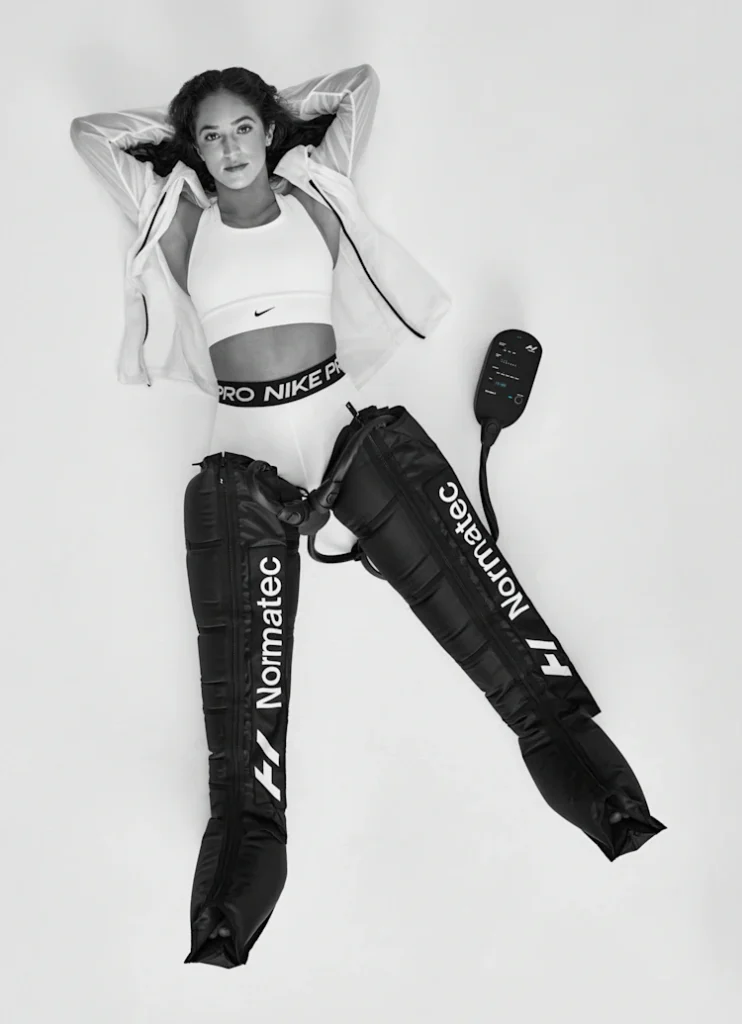
Normatec Compression – Compression therapy devices like Normatec are HSA/FSA eligible for circulation issues, muscle recovery, and lymphatic support.
Hyperice Products – Hyperice percussion and vibration therapy devices can be combined with red light therapy for enhanced recovery results.