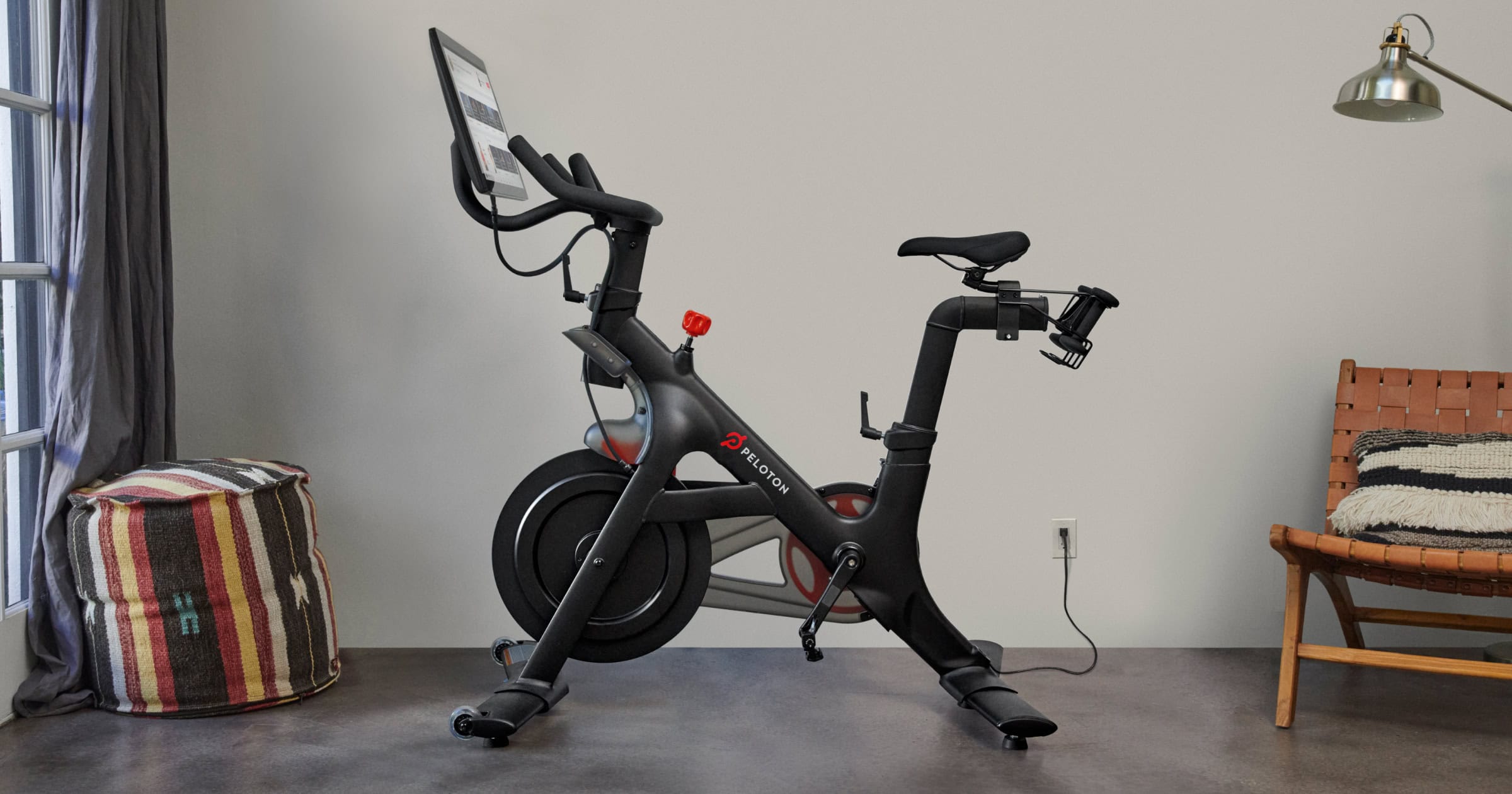
💡 Quick Answer: Peloton is HSA/FSA eligible because it helps prevent, manage, and reverse a variety of health conditions including cardiovascular disease, obesity, type 2 diabetes, depression, and many others. According to IRS Publication 502, all you need is a Letter of Medical Necessity.
Luckily, we make it ridiculously simple. Crates Health is the fastest way to get your personalized and compliant letter for Peloton and thousands of other wellness products, plus we handle your reimbursements directly through our platform with just one click.
What is Peloton
Peloton is the connected fitness platform that turned home workouts into a cultural phenomenon and honestly, made sweating at home cooler than going to the gym. Think of it as having a boutique fitness studio, personal trainer, and motivational squad all streaming through a sleek touchscreen while you work out in your living room. With the iconic Bike ($1,445), the upgraded Bike+ ($2,495), the Tread ($2,995), and the premium Tread+ ($5,995), Peloton offers equipment that is engineered to make you actually want to exercise.
What makes Peloton different is not just the hardware, it is the experience. The All-Access Membership ($44/month) unlocks thousands of live and on-demand classes across cycling, running, strength, yoga, meditation, and more. You are not just following along with an instructor; you are competing on the leaderboard, getting shoutouts during live classes, and becoming part of a community that celebrates your PRs like they are Olympic medals. Whether you are crushing a 45-minute climb with Robin Arzón at 6 AM or taking a recovery ride with Cody Rigsby while he dishes about pop culture, Peloton has mastered the art of making fitness addictive.
Don’t let the sleek marketing fool you. This is not just a fancy exercise bike. The research on cardiovascular exercise for disease prevention and treatment is some of the strongest in medicine.
The Science Behind Peloton
The clinical evidence for exercise as medicine is overwhelming. This is not wellness hype. This is peer-reviewed research demonstrating that cardiovascular exercise prevents death.
A landmark meta-analysis published in the European Heart Journal analyzing 85 randomized controlled trials with over 23,000 participants found that exercise-based cardiac rehabilitation reduced cardiovascular mortality by 26% (risk ratio 0.74) and hospitalizations by 23%. The authors concluded that exercise-based rehabilitation is a key component of comprehensive disease management.
Research published in JACC (Journal of the American College of Cardiology) found that people who stayed physically active over time had a 51% reduction in cardiovascular mortality risk, while those who became more active had a 37% reduction. The relationship between exercise and mortality is clear: more exercise corresponds to greater reductions in death risk.
For depression, a 2024 systematic review and network meta-analysis published in the BMJ analyzing 218 randomized controlled trials found that walking or jogging produced moderate reductions in depression (Hedges’ g -0.62), and the effects were proportional to exercise intensity. The researchers concluded that exercise is an effective treatment for depression and could be considered alongside psychotherapy and antidepressants as a core treatment.
A separate meta-analysis in the Journal of Affective Disorders found that exercise had a large and significant antidepressant effect (SMD = 1.11), with the authors stating that their data “strongly support the claim that exercise is an evidence-based treatment for depression.”
The American Heart Association has published extensively on exercise and cardiovascular prevention, noting that a meta-analysis of 52 exercise training trials demonstrated improvements in HDL cholesterol, reductions in triglycerides and LDL cholesterol, and significant impacts on cardiovascular risk factors.
The science is unambiguous: cardiovascular exercise prevents and treats the leading causes of death and disability.
Why Peloton Qualifies for HSA/FSA
According to IRS regulations, exercise equipment and fitness subscriptions can qualify as eligible medical expenses with a Letter of Medical Necessity under specific circumstances outlined in Publication 502.
IRS Publication 502 states that medical expenses are “the costs of diagnosis, cure, mitigation, treatment, or prevention of disease, and for the purpose of affecting any part or function of the body,” but “must be primarily to alleviate or prevent a physical or mental condition or illness.”
This means Peloton equipment and membership can qualify for HSA/FSA reimbursement for prevention or treatment of:
- Cardiovascular Disease and Hypertension Heart disease is the leading cause of death in the United States, killing approximately 700,000 Americans annually. The European Heart Journal meta-analysis of 85 trials found exercise-based rehabilitation reduced cardiovascular mortality by 26%. A systematic review and meta-analysis in the Journal of the American Heart Association found that exercise significantly reduces both systolic and diastolic blood pressure in patients with hypertension.
- Obesity and Weight Management Over 40% of American adults have obesity, a condition linked to diabetes, heart disease, and cancer. Combined aerobic and resistance training (exactly what Peloton offers) has been shown to improve body composition and metabolic health in multiple clinical trials.
- Type 2 Diabetes The CDC reports that over 37 million Americans have diabetes. Exercise improves insulin sensitivity and glucose metabolism, with research showing that consistent physical activity can reduce HbA1c levels and diabetes complications.
- Depression and Anxiety Disorders The 2024 BMJ network meta-analysis found walking, jogging, and cycling produced significant reductions in depression with effect sizes comparable to psychotherapy. For many conditions, exercise performs as well as antidepressant medication.
- Chronic Stress and Sleep Disorders Regular cardiovascular exercise reduces cortisol levels, improves sleep quality, and enhances overall stress resilience. The connection between physical activity and mental health is now well-established in clinical literature.
- ADHD and Attention Disorders Emerging research supports exercise as an adjunctive treatment for ADHD, with cardiovascular activity improving executive function and attention regulation.
- Osteoporosis and Bone Density Weight-bearing and resistance exercise (available through Peloton’s strength classes) helps maintain bone density and prevent osteoporotic fractures.
- Musculoskeletal Conditions Low-impact cycling is frequently recommended for patients with joint conditions, arthritis, or those recovering from injuries who need cardiovascular exercise without high-impact stress.
The key requirement is that your healthcare provider must note the exercise equipment and connected fitness platform as medically necessary for managing your specific health condition, not just for general wellness. This documentation comes in the form of a Letter of Medical Necessity (LMN).
How to Assess Your Eligibility
Traditional Route: Schedule an appointment with your primary care physician, discuss your health conditions and fitness goals, and request a Letter of Medical Necessity if exercise is recommended as part of your treatment plan. This typically requires an office visit, potential wait times, and can cost $50-100+ depending on your insurance.
Faster, Smarter Route: Use Crates Health to get your Letter of Medical Necessity online in just a few minutes. Our platform connects you with licensed healthcare providers who can evaluate your conditions remotely and issue the appropriate documentation if you qualify. No office visits, no waiting weeks for appointments, and no surprise medical bills.
Frequently Asked Questions
Do other connected fitness equipment and subscriptions qualify for HSA/FSA?
Can I use HSA/FSA for just the Peloton membership without the bike?
Yes. If you already own Peloton equipment or use the Peloton App on other devices, the membership subscription alone can qualify with proper documentation (LMN) connecting it to your medical condition.
How does reimbursement work?
Most retailers do not accept HSA/FSA cards. In that case, you need to pay with your personal card and then reimburse yourself. This means finding and storing receipts and then uploading them along with your LMN to your HSA/FSA admin portal. With Crates Health, we make this process simple: upload your receipt and get one-click reimbursements all from our platform.
What is a Letter of Medical Necessity?
A Letter of Medical Necessity (LMN) is a document from a licensed healthcare provider that explains why a specific expense like your Peloton equipment and membership is medically necessary for treating a diagnosed condition. It is the official paperwork that proves your connected fitness platform is not just for general wellness. Each LMN typically remains valid for 12 months from the date of issue.
Do I need a diagnosis to use HSA for Peloton?
You do not need a formal diagnosis, but you do need a Letter of Medical Necessity connecting your Peloton use to a medical purpose. Prevention of conditions you are at risk for counts. Family history of certain diseases counts. Elevated cholesterol or blood pressure counts.
Will my claim get denied?
Every HSA/FSA admin is unique and may initially deny some claims. Usually, it is related to receipt format (must be itemized), LMN format, or other supporting documentation. With Crates Health, we will support you through this process and make sure you get your money back.