
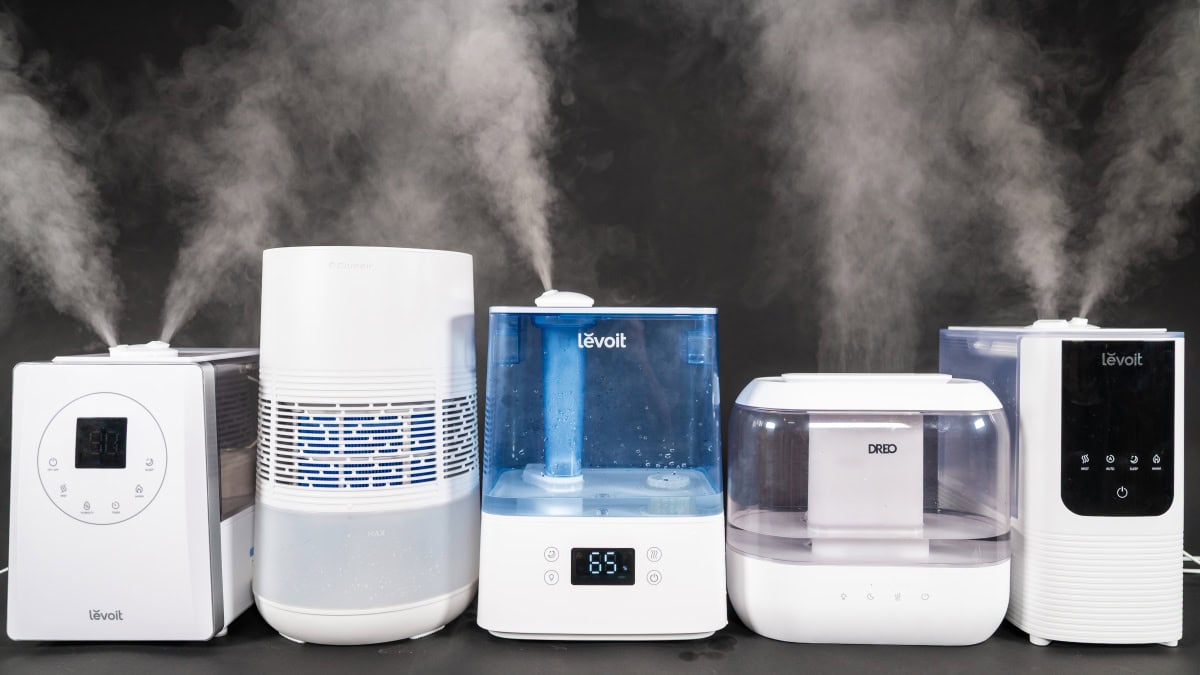
Yes, humidifiers are HSA and FSA eligible when you have a Letter of Medical Necessity (LMN) from a licensed healthcare provider. The IRS classifies humidifiers as “dual-purpose” items, meaning they can be used for general comfort or medical treatment, so documentation proving medical necessity is required before you can use pre-tax funds.
If you have or are trying to prevent asthma, eczema, sinusitis, COPD, or another qualifying health condition, you could save 30-40% on your humidifier purchase by using your HSA or FSA.
The Short Answer: Yes, Humidifiers Are HSA/FSA Eligible
Humidifiers qualify as HSA and FSA eligible medical expenses under IRS Publication 502 when you have proper documentation. Here’s what you need to know:
The IRS considers humidifiers “dual-purpose” items. This means they can serve both general wellness purposes (making your home more comfortable) and medical purposes (preventing or managing a health condition). Because of this dual nature, you need a Letter of Medical Necessity to prove you’re using the humidifier for medical treatment.
Your LMN must be issued before your purchase. This is a critical timing rule. You cannot buy a humidifier first and then get an LMN to retroactively reimburse the purchase.
Replacement filters and wicks are also eligible. When your LMN specifies coverage for your humidifier and its maintenance components, ongoing filter and wick replacements qualify for HSA/FSA reimbursement too.
Do Humidifiers Actually Help? What the Science Says
Before diving into eligibility details, let’s address the medical foundation: humidifiers aren’t just comfort devices. Research from leading health organizations demonstrates real health benefits for people with specific conditions.
Humidifiers and Respiratory Health
The Environmental Protection Agency (EPA) recommends maintaining indoor humidity between 30-50% for optimal health. When humidity drops below this range, several problems emerge:
Dry air irritates the respiratory system from the nasal passages all the way down to the lungs. According to the Mayo Clinic, this irritation can trigger or worsen asthma symptoms, increase susceptibility to respiratory infections, and cause chronic coughing.
For people with COPD, chronic bronchitis, or sinusitis, proper humidity helps keep mucous membranes moist and functional. This is your body’s first line of defense against airborne irritants and pathogens.
The National Institutes of Health (NIH) notes that cool mist humidifiers are generally recommended for safety, particularly in homes with children.
Humidifiers and Skin Conditions
The connection between humidity and skin health is well-documented. The Cleveland Clinic explains that dry air pulls moisture from your skin, weakening the skin barrier and triggering or worsening conditions like eczema, psoriasis, and chronic dry skin.
Research published in dermatology journals shows that people with eczema experience significantly more flares during low-humidity months. Maintaining proper indoor humidity helps keep the skin barrier intact and reduces the frequency and severity of flares.
For people with psoriasis, dry air can cause plaques to crack and bleed, leading to pain and increased risk of infection. Proper humidity helps keep affected skin more supple.
Humidifiers and Sleep Quality
Dry air contributes to snoring, dry throat, and disrupted sleep. For the millions of Americans who use CPAP machines for sleep apnea, the forced air from the mask often causes significant nasal and throat dryness.
Many CPAP users find that adding a humidifier (either built into their CPAP or as a room humidifier) dramatically improves comfort and CPAP compliance. Better compliance means better treatment outcomes for sleep apnea.
What Health Conditions Qualify for an HSA-Eligible Humidifier?
A wide range of health conditions may qualify you for an LMN for a humidifier. Here are the most common:
Respiratory Conditions
- Asthma – Dry air irritates airways and can trigger asthma attacks
- COPD (Chronic Obstructive Pulmonary Disease) – Proper humidity helps maintain respiratory function
- Chronic bronchitis – Moisture helps keep airways clear
- Sinusitis (chronic or recurring) – Dry air worsens sinus inflammation
- Chronic cough – Often caused or worsened by dry air irritation
- RSV and respiratory infections – Humidity supports recovery and reduces transmission
Skin Conditions
- Eczema (atopic dermatitis) – Dry air triggers flares and weakens skin barrier
- Psoriasis – Low humidity causes plaques to dry, crack, and bleed
- Chronic dry skin (xerosis) – Environmental humidity directly affects skin hydration
- Contact dermatitis – Dry air worsens skin sensitivity
- Ichthyosis – Genetic skin conditions requiring humidity management
Sleep and ENT Conditions
- Sleep apnea – Especially for CPAP users experiencing dry air side effects
- Chronic snoring – Dry air contributes to airway irritation
- Dry throat and nasal passages – Ongoing dryness affecting quality of life
- Chronic nosebleeds (epistaxis) – Low humidity dries nasal membranes
Other Qualifying Conditions
- Allergies – Proper humidity (30-50%) reduces dust mite populations
- Post-surgery recovery – Following nasal or sinus procedures
- Pregnancy-related congestion – Hormonal changes plus dry air worsen symptoms
This list covers conditions that Crates commonly supports. If you have a condition not listed here, you may still qualify. The key is whether a healthcare provider can document that a humidifier will help prevent, manage, or reverse your specific health condition.
What Is a Letter of Medical Necessity (LMN) and What Should It Include?
What Is an LMN?
A Letter of Medical Necessity is a document from a licensed healthcare provider that certifies a specific item is necessary to treat your health condition. It’s the documentation the IRS requires for “dual-purpose” items like humidifiers.
An LMN is not a prescription. Prescriptions are for medications and certain medical devices. An LMN is a letter that explains why a particular item is medically necessary for you specifically.
What Your LMN Should Include
For your LMN to be accepted by your HSA or FSA administrator, it should contain:
- Your identifying information – Full name, date of birth
- Provider credentials – Name, license number, practice information
- Your specific health condition – The diagnosis requiring humidity treatment
- Medical justification – How the humidifier will help prevent, manage, or reverse your condition
- Clear recommendation – Statement that a humidifier is medically necessary
- Provider signature and date – Must be dated BEFORE your purchase
- Equipment covered – Should specify both the humidifier AND replacement filters/wicks
Critical Timing Rule
Important: Your LMN must be issued BEFORE you make your purchase. You cannot retroactively reimburse a past purchase with a newly obtained LMN. If you’re planning to buy a humidifier, get your LMN first.
This timing requirement trips up many people. If you bought a humidifier last month and now want to get an LMN to reimburse it, that won’t work. The LMN date must precede your purchase date.
How to Get Your LMN for a Humidifier
Option 1: Through Your Doctor
You can request an LMN from your primary care physician, allergist, dermatologist, pulmonologist, or other treating provider:
- Schedule an appointment (may require copay)
- Discuss your condition and how dry air affects it
- Request an LMN specifically for a humidifier
- Ensure the LMN includes coverage for replacement filters/wicks
- Timeline: Days to weeks depending on provider availability
This works well if you have an established relationship with a provider who understands your condition.
Option 2: Through Crates Health
Crates Health streamlines the LMN process:
- Complete a quick health assessment online – Answer questions about your health conditions
- Licensed provider reviews your information – Typically within 24-48 hours
- If eligible, your LMN is issued – Covers both your humidifier AND replacement filters/wicks
- Purchase your humidifier – Use your personal credit or debit card at any retailer
- Use Crates one-click reimbursement – Upload your receipt and process your HSA/FSA claim
- Money transfers to your bank account – Funds move from your HSA/FSA to you
Why the Crates Process Works
Your LMN from Crates:
- Valid for 12 months – Covers your initial purchase and ongoing needs
- Automatically renews – Maintain eligibility without re-applying
- Covers humidifier AND filters/wicks – One LMN handles everything
- Written for your preferred brand – Vicks, Canopy, Carepod, Honeywell, Levoit, or any other manufacturer
Which Type of Humidifier Should You Choose?
Not all humidifiers work the same way. Here’s how to choose the right type for your health condition:
Cool Mist Humidifiers
- How they work: A fan blows air through a wet wick, or ultrasonic vibrations create a fine mist.
- Best for: Allergies, asthma, homes with children
- The NIH recommends cool mist humidifiers for safety, particularly around children. There’s no heating element, so no burn risk if the unit tips over.
- Pros: Energy efficient, safe around kids, no risk of burns
- Cons: Requires more frequent cleaning to prevent mold/bacteria growth
Warm Mist Humidifiers
- How they work: Water is boiled to create steam, which cools slightly before entering the room.
- Best for: Colds, sinus congestion, colder climates
- The boiling process kills bacteria and mold in the water, which some people prefer. The warm mist can also feel soothing during illness.
- Pros: Kills waterborne bacteria, quieter operation, soothing for congestion
- Cons: Burn risk from hot water, higher energy consumption
Ultrasonic Humidifiers
- How they work: High-frequency vibrations create an extremely fine mist.
- Best for: Bedrooms, anywhere quiet operation matters
- These are the quietest humidifiers available, making them ideal for sleep.
- Pros: Nearly silent, energy efficient, compact designs available
- Cons: May produce white dust (mineral deposits), works best with distilled water
Evaporative Humidifiers
- How they work: A fan blows air through a saturated wick filter.
- Best for: Larger rooms, whole-house humidity needs
- These self-regulate, meaning they can’t over-humidify a room. As humidity rises, evaporation naturally slows.
- Pros: Self-regulating, no over-humidification risk, good for large spaces
- Cons: Filter replacement required, can be louder than ultrasonic
Quick Comparison
| Type | Best For | Noise Level | Safety | Maintenance |
|---|---|---|---|---|
| Cool Mist | Kids, allergies | Moderate | High | High |
| Warm Mist | Congestion, colds | Low | Moderate | Low |
| Ultrasonic | Bedrooms | Very Low | High | Moderate |
| Evaporative | Large spaces | Moderate | High | Moderate |
Bottom line: For most people with respiratory or skin conditions, a cool mist or ultrasonic humidifier is the safest choice. If you primarily deal with sinus congestion, warm mist may provide additional comfort.
Are Humidifier Filters and Wicks HSA Eligible Too?
Yes. Replacement filters and wicks for your humidifier are HSA/FSA eligible when covered under your LMN.
Here’s how it works:
- Your LMN should specify coverage for both the humidifier and its maintenance components
- LMNs from Crates specifically include replacement filters and wicks
- Purchase filters/wicks with your personal card
- Submit for reimbursement
Pro tip: When you buy your humidifier, consider stocking up on filters at the same time. You’ll save on shipping and ensure you have replacements ready.
Humidifier vs Dehumidifier: What’s the Difference?
This is a common point of confusion. Here’s the simple distinction:
Humidifiers ADD moisture to the air. Use one when:
- Your indoor air is too dry (below 30% humidity)
- You’re experiencing dry skin, respiratory irritation, or static electricity
- It’s winter or you live in an arid climate
- Your heating system dries out indoor air
Dehumidifiers REMOVE moisture from the air. Use one when:
- Your indoor air is too humid (above 50% humidity)
- You’re dealing with mold, mildew, or musty odors
- It’s summer or you live in a humid climate
- Your basement or bathroom stays damp
Both are HSA/FSA eligible with a proper LMN. Different health conditions benefit from different solutions:
- Allergies may benefit from BOTH (humidifier in winter, dehumidifier in summer)
- Mold sensitivity typically needs a dehumidifier
- Respiratory and skin conditions typically need a humidifier
If you’re unsure which you need, a simple hygrometer (humidity meter) can tell you your current indoor humidity level.
Frequently Asked Questions
Are humidifiers eligible for HSA?
Yes, humidifiers are HSA and FSA eligible when you have a Letter of Medical Necessity (LMN) from a licensed healthcare provider. The IRS considers humidifiers “dual-purpose” items, so documentation proving medical necessity is required. Qualifying conditions include asthma, eczema, sinusitis, COPD, and chronic dry skin.
Is a humidifier considered a medical expense?
A humidifier is considered a medical expense when it’s recommended by a healthcare provider to prevent, treat, or manage a specific health condition. With a valid LMN, humidifiers qualify under IRS Publication 502 as a deductible medical expense and can be purchased with HSA/FSA funds.
Can I buy a Vicks humidifier with my HSA?
Yes, any brand of humidifier (including Vicks, Canopy, Carepod, Honeywell, Levoit, and others) is HSA/FSA eligible when you have a valid LMN. The brand doesn’t matter. What matters is having proper documentation of medical necessity before your purchase.
What’s the difference between a humidifier and a dehumidifier for HSA purposes?
Both are HSA/FSA eligible with an LMN, but they serve opposite purposes. Humidifiers add moisture to dry air (helpful for respiratory and skin conditions in dry climates or winter). Dehumidifiers remove excess moisture (helpful for allergies and mold sensitivity in humid climates). Your LMN should specify which device your condition requires.
Are humidifier filters HSA eligible?
Yes, replacement filters and wicks for your humidifier are HSA eligible when covered under your LMN. Crates LMNs specifically include coverage for both the humidifier and ongoing replacement parts.
Can I get reimbursed for a humidifier I already bought?
Unfortunately not. Your LMN should be dated before your purchase date. You cannot retroactively reimburse a past purchase with a newly obtained LMN. If you’re planning to buy a humidifier, get your LMN first. Crates can help make that process simple
How long is my LMN valid for a humidifier?
LMNs are typically valid for 12 months. Crates automatically renews your documentation so you maintain ongoing eligibility for filter and wick replacements without needing to reapply.
Can I use my HSA for an air purifier too?
Yes! Air purifiers are also HSA/FSA eligible with an LMN. If you have respiratory conditions like asthma or allergies, both devices may benefit your health. Many people use a humidifier for moisture control and an air purifier for removing allergens and particles. See our complete guide: Are Air Purifiers HSA Eligible?
